
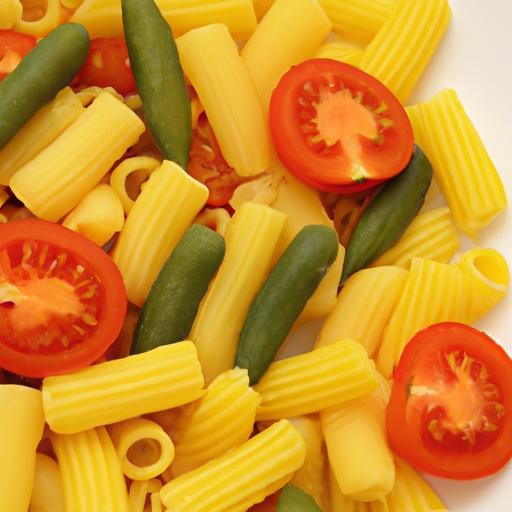
In a world brimming wiht food trends and flavor quests, whole wheat pasta stands out as a timeless champion of taste and nutrition. More than just a hearty choice to its refined cousin, whole wheat pasta offers a rich, nutty depth that transforms everyday meals into wholesome celebrations.Whether you’re a seasoned chef or a casual cook seeking to elevate your dinner table, this guide will unravel the secrets behind choosing, cooking, and savoring whole wheat pasta to its fullest. Join us as we embark on a tasty journey that marries health and indulgence, proving that wholesome can be downright irresistible.
Whole wheat pasta is a true nutritional powerhouse, bringing a hearty depth of flavor and a wealth of health benefits to every dish it graces. Celebrated across Mediterranean kitchens for centuries, its nutty aroma and robust texture create a delightful canvas for vibrant sauces and fresh ingredients. As a culinary content creator and food stylist, I’ve witnessed how whole wheat pasta transforms simple meals into wholesome celebrations of taste and nourishment-making it perfect for those seeking to enjoy comfort food without compromise.
Prep and Cook Time
- planning: 10 minutes
- Cooking: 9-11 minutes (depending on pasta type)
- Total Time: 20 minutes
Yield
Serves 4 hungry diners
Difficulty Level
Easy
Ingredients
- 8 oz whole wheat spaghetti (choose a quality brand with a slightly coarse texture for best results)
- 3 tbsp extra virgin olive oil
- 2 cloves garlic, thinly sliced
- 1 cup cherry tomatoes, halved
- 1 medium zucchini, diced
- 1/4 tsp red pepper flakes (optional for subtle heat)
- 1/2 cup fresh basil leaves, torn
- Salt and freshly ground black pepper, to taste
- Freshly grated Parmesan or Pecorino (optional, for garnish)
- 1 tbsp toasted pine nuts (for an elevated crunch)
Instructions
- Bring a large pot of salted water to a vigorous boil. Add the whole wheat spaghetti and cook according to package instructions, usually 9-11 minutes, untill al dente. Stir occasionally to prevent sticking.
- Reserve 1 cup of pasta cooking water before draining. Set the drained pasta aside.
- Heat olive oil in a large skillet over medium heat. Add the sliced garlic and sauté until golden brown, about 2 minutes, stirring frequently to avoid burning.
- Add cherry tomatoes and zucchini to the skillet. Sauté until the tomatoes soften and release thier juices, and the zucchini is tender but retains a light bite-about 5 minutes.
- Sprinkle in red pepper flakes if using, and season the vegetables with salt and pepper to taste.
- Toss the drained pasta into the skillet with the vegetables. Add reserved pasta water a splash at a time to reach a silky sauce consistency that perfectly clings to the whole wheat strands.
- remove from heat, fold in the fresh torn basil, enhancing the dish with its herbal brightness.
- Plate the pasta and garnish generously with toasted pine nuts and freshly grated cheese for added texture and savory depth.
Tips for Success
- Choose pasta wisely: Look for whole wheat pasta with a slightly rough surface.This “rough cut” texture allows sauces to cling beautifully, enriching each bite with flavor.
- Don’t overcook: Whole wheat pasta tends to firm up after cooking. Drain at al dente to maintain an ideal chewy texture.
- Customize your veggies: Swap zucchini for roasted eggplant, bell peppers, or sautéed mushrooms to elevate the dish seasonally.
- Pasta water magic: Use the starchy reserved cooking water to adjust sauce consistency and create a luscious coating on the noodles without added fat.
- Make ahead: Prepare the sauce and veggies in advance. Warm gently and toss with freshly cooked pasta just before serving to retain freshness.
Serving Suggestions
present this wholesome creation in a wide, shallow bowl to showcase the colorful vegetables and glossy strands of whole wheat spaghetti.Garnish with vibrant basil leaves for a fresh aromatic lift. Pair with a chilled lemon-infused sparkling water or a crisp non-alcoholic aperitif to complement the nutty flavors. For an added touch, sprinkle lightly toasted pine nuts or crumbled walnuts to echo the natural earthiness.

Nutrition at a Glance
| per Serving | Calories | Protein | Carbohydrates | Fat |
|---|---|---|---|---|
| 1 Plate (approx. 200g) | 380 kcal | 12g | 58g | 8g |
Embrace the rich flavor and nutritional benefits whole wheat pasta brings to your table. For more creative pasta ideas, explore our healthy pasta recipes collection, or learn about the benefits of whole grains at the Whole Grains Council.
Q&A
Wholesome & Delicious: Your Ultimate Whole Wheat Pasta Guide – Q&A
Q1: What makes whole wheat pasta different from regular pasta?
A1: Whole wheat pasta is crafted from whole grain wheat,meaning it contains the bran,germ,and endosperm. This gives it a richer, nuttier flavor and a heartier texture compared to regular pasta made from refined flour. Nutritionally, its a powerhouse packed with fiber, vitamins, and minerals, making each bite both satisfying and nourishing.
Q2: Is whole wheat pasta healthier than traditional pasta?
A2: Absolutely! Whole wheat pasta boasts higher fiber content, which promotes better digestion and keeps you feeling fuller longer. It also tends to have a lower glycemic index,supporting steady energy levels.Plus, the additional nutrients from the whole grain make it a straightforward upgrade for your meals without sacrificing taste.
Q3: How should I cook whole wheat pasta to get the best texture?
A3: Whole wheat pasta benefits from a little extra care. Bring a large pot of salted water to a rolling boil, then cook the pasta until just al dente-usually a minute or two less than the package suggests. Overcooking can lead to mushiness.Give it a quick taste test, then drain and toss promptly with your favorite sauce to lock in that perfect bite.
Q4: What kinds of sauces pair best with whole wheat pasta?
A4: Because whole wheat pasta has a deeper, nuttier flavor and denser texture, it pairs beautifully with robust, earthy sauces. Think vibrant tomato-based sauces, aromatic pesto, or creamy blends made from roasted vegetables and plant-based cheeses. Bold herbs, garlic, and a splash of lemon juice can brighten the dish and beautifully complement those whole grain notes.
Q5: Can I use whole wheat pasta in cold dishes like pasta salad?
A5: Definitely! Whole wheat pasta holds its shape well which makes it excellent for salads and chilled dishes. To keep it tender in salads, cook al dente, rinse under cold water to stop the cooking process, and toss with olive oil to prevent sticking. Combine with colorful veggies, fresh herbs, and tangy dressings for a wholesome, delicious meal.
Q6: Are there different types of whole wheat pasta to try?
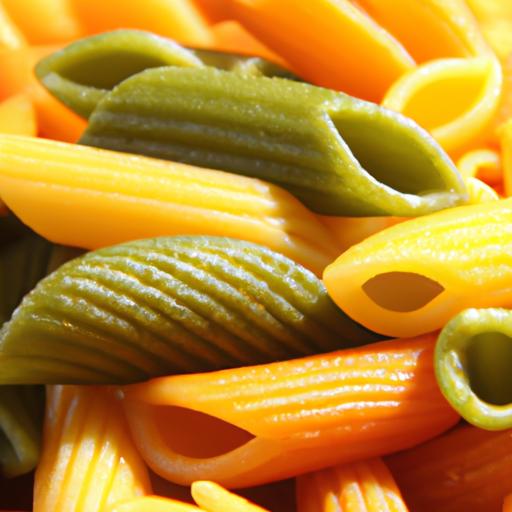
A6: Yes! Whole wheat pasta comes in a variety of shapes and sizes-from classic spaghetti and penne to funfusilli and bow ties-each bringing a unique texture and sauce-holding characteristic. Trying different shapes can add excitement to your meals and help match pasta textures perfectly to your favorite recipes.
Q7: How can I make whole wheat pasta more appealing if I’m new to it?
A7: Start by mixing whole wheat pasta with regular pasta to ease into the richer flavor. Incorporate flavorful ingredients like roasted garlic, sun-dried tomatoes, or caramelized onions to enhance the taste. Experiment with herbs and spices-basil, oregano, and toasted nuts add layers of flavor. Soon enough, whole wheat pasta might just become your new go-to comfort food.
Q8: Is whole wheat pasta suitable for gluten-free diets?
A8: Unfortunately,no-whole wheat pasta contains gluten,which is the protein found in wheat. However, many brands offer gluten-free alternatives made from brown rice, quinoa, or chickpeas that provide similar wholesome benefits. Always check labels if you’re managing gluten sensitivity or celiac disease.
Q9: How long can I store cooked whole wheat pasta?
A9: Cooked whole wheat pasta stays fresh in the fridge for up to 4-5 days when stored in an airtight container. To prevent it from clumping or drying out, toss lightly with olive oil before refrigeration. For longer storage,cooked pasta can be frozen-just thaw and reheat gently to enjoy later.
Q10: Can whole wheat pasta be part of a balanced vegetarian or vegan diet?
A10: Whole wheat pasta is a fantastic staple for both vegetarian and vegan lifestyles. Its significant fiber and protein content pair wonderfully with plant-based sauces loaded with veggies, legumes, nuts, and seeds.By adding a variety of colorful ingredients, you create diverse, nutrient-rich dishes that delight the palate and nourish the body.
Embrace the wholesome goodness and vibrant flavors of whole wheat pasta-your taste buds and body will thank you!
Wrapping Up
As you embark on your whole wheat pasta journey,remember that this humble grain carries more than just fiber and nutrients-it delivers a deeply satisfying,nutty flavor that transforms every meal into a wholesome celebration. Whether twirled around a fork with vibrant veggies, bathed in rich sauces, or simply tossed with herbs and olive oil, whole wheat pasta invites you to savor health without sacrificing taste. So next time you reach for your pasta, embrace the whole grain goodness and let every bite nourish both body and soul. Here’s to making wholesome deliciousness a delicious habit!