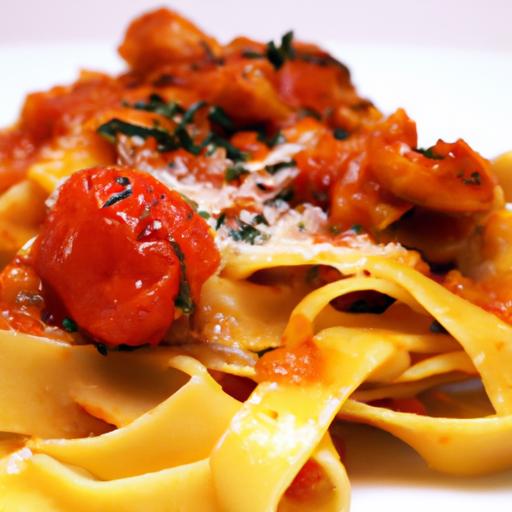

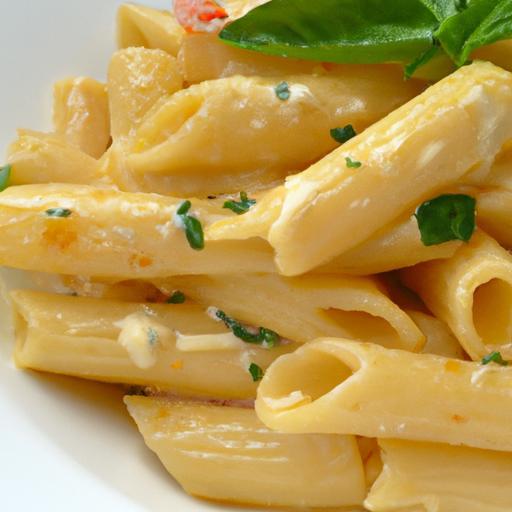
There’s something undeniably magical about Italian pasta-a humble blend of flour, eggs, and water that transforms into a symphony of flavors, textures, and traditions passed down through generations.Timeless Italian pasta recipes are more than just meals; they are stories of regional pride, family gatherings, and simple ingredients elevated to culinary masterpieces. In this article, we’ll journey through Italy’s rich pasta heritage, uncovering authentic recipes that bring the heart of Italy straight to your dinner table. Whether you’re a seasoned cook or a curious foodie, prepare to experience the art of pasta like never before-where every bite tells a story and every dish is an invitation to savor la dolce vita.
Timeless Italian Pasta Recipes for an Authentic Dinner begin with mastering the classic pasta sauces that embody the rich essence of Italy’s culinary heritage. Each sauce carries its own story, from the sun-drenched fields of Tuscany to the aromatic herb gardens of Liguria. When paired thoughtfully with the right pasta shape, these recipes not only satisfy the palate but also capture the heart of Italian tradition.
Prep and Cook Time
- Planning: 15 minutes
- Cooking: 20-30 minutes
Yield
Serves 4
Difficulty Level
medium – perfect for home cooks wanting to elevate their pasta night with genuine textures and flavors.
Ingredients
- 400g dried pasta (see pasta shape recommendations below)
- 3 tablespoons extra virgin olive oil
- 2 cloves garlic, finely minced
- 1 can (400g) San Marzano tomatoes, crushed by hand
- 1 small yellow onion, finely diced
- 1 tablespoon fresh basil, torn
- 1 tablespoon fresh oregano, chopped
- Salt and freshly cracked black pepper to taste
- 50g Pecorino Romano cheese, grated (optional)
- Fresh parsley for garnish
Instructions
- Heat olive oil in a large saucepan over medium heat. Add minced garlic and diced onion, sautéing until translucent and fragrant, about 5 minutes. Stir occasionally to avoid burning.
- Add crushed San Marzano tomatoes to the pan. Stir in fresh basil and oregano. Season generously with salt and pepper.
- Simmer the sauce uncovered on low heat for 20 minutes, allowing the flavors to meld and the sauce to thicken slightly.
- While the sauce simmers, bring a large pot of salted water to a boil. Cook the pasta al dente according to package instructions-usually 8-10 minutes.
- Reserve ½ cup of pasta water before draining. This starchy water will help bind the sauce and pasta beautifully.
- Toss pasta with the sauce in the pan, adding reserved pasta water gradually until the consistency is perfectly silky and coats each piece.
- Serve immediately, topped with grated Pecorino Romano (if using) and fresh parsley for a vibrant finish.
Classic Pasta Sauces and Pasta Shape Pairings
- Pomodoro: Smooth, simple, and fresh tomato sauce-best with spaghetti or linguine to capture the delicate flavors.
- Pesto alla Genovese: A vibrant basil and pine nut purée, traditionally served with trofie or trenette, regional Ligurian shapes designed to cling to the pesto’s oily texture.
- Aglio e Olio: Garlic-infused olive oil with chili flakes-best with long, thin pasta like spaghetti for an effortless coating.
Tips for Achieving Authentic Italian Texture and Taste at home
- Use high-quality ingredients: Extra virgin olive oil, ripe tomatoes, and fresh herbs make all the difference.
- Respect pasta cooking times: Always cook pasta until just al dente for that perfect bite and mouthfeel.
- Finish in the pan: Tossing pasta in the sauce with reserved pasta water allows flavors to harmonize and the sauce to cling properly.
- Make sauces fresh: Avoid pre-made jars for authenticity; even a simple Pomodoro benefits from hands-on preparation.
Chef’s Notes
- For an extra depth of flavor, add a pinch of red chili flakes with the garlic for a subtle heat.
- Fresh herbs can be substituted with dried, but add dried herbs early during simmering for full flavor extraction.
- Try gluten-free pasta varieties if preferred-they pair wonderfully with light sauces like Pomodoro and Aglio e Olio.
- Sauces can be prepared ahead and stored in an airtight container for up to 3 days; always reheat gently to preserve freshness.
Serving Suggestions
Present your pasta on warm white ceramic plates to highlight the vibrant reds and greens. Garnish with an extra drizzle of cold-pressed olive oil and a sprinkle of Pecorino Romano or fresh parsley. A crisp green salad and crusty artisan bread elevate the dining experience, while a small bowl of toasted pine nuts can be served alongside pesto dishes for added texture.

| Nutrient | Per Serving |
|---|---|
| Calories | 420 kcal |
| Protein | 14 g |
| Carbohydrates | 70 g |
| Fat | 9 g |
Explore more about Regional Italian Pastas and their authentic sauce pairings in our thorough pasta guide, or learn about the subtle science of pasta cooking on Academia Italiana.
Q&A
Q&A: Timeless Italian Pasta Recipes for an Authentic Dinner
Q1: What makes a pasta recipe truly “timeless” in Italian cuisine?
A1: Timeless Italian pasta recipes are those that have been cherished and passed down through generations, rooted in simple, high-quality ingredients and regional traditions. They focus on harmony rather than complexity,highlighting the natural flavors of fresh pasta,ripe tomatoes,fragrant herbs,and authentic cheeses.These dishes evoke nostalgia and comfort,connecting us to Italy’s rich culinary heritage.
Q2: Which pasta shapes are considered essential for an authentic Italian dinner?
A2: Italy offers a captivating variety of pasta shapes, each designed to complement specific sauces. Classics like spaghetti, penne, and fettuccine shine in many dishes, but also consider orecchiette from Puglia, trofie from Liguria, and pappardelle from Tuscany. These shapes aren’t just beautiful-they’re practical, crafted to hold sauce perfectly and elevate texture in every bite.
Q3: How do Italian cooks achieve rich flavor in pasta sauces without heavy ingredients?
A3: Italian cooks rely on the quality and balance of simple ingredients. Slow-simmered tomatoes, olive oil, fresh garlic, and aromatic herbs like basil and oregano create layers of flavor.Even a sprinkle of freshly cracked black pepper or a pinch of chili flakes can add a surprising kick. The patience to cook sauces gently and integrate them seamlessly with pasta is key.
Q4: What are some authentic vegetarian sauces that pair well with pasta for a timeless Italian meal?
A4: The Italian kitchen boasts a vibrant array of vegetarian sauces.Think creamy mushroom ragù, luscious eggplant caponata, or a radiant and fresh salsa verde made from parsley, capers, garlic, and lemon. Classic tomato-based sauces such as marinara, made with aromatic herbs and ripe tomatoes, also deliver timeless satisfaction. These sauces honor Italy’s tradition of celebrating vegetables and herbs.
Q5: Can you share a secret tip for cooking pasta “al dente” every time?
A5: Absolutely! The secret lies in timing and salt. Use a large pot with plenty of water, salted generously-it should taste like the sea. The pasta should finish cooking in the sauce, so drain it just shy of fully tender, then toss it immediately in the simmering sauce to finish cooking and absorb flavor. This technique ensures a perfect bite that’s firm yet tender.
Q6: How can one replicate the rustic charm of Italian home-cooked pasta at dinner parties?
A6: To recreate that authentic vibe, focus on simplicity and warmth. Choose recipes that celebrate natural ingredients and don’t fuss over perfection-hand-torn basil leaves, a drizzle of golden olive oil, and maybe some freshly grated Parmigiano-Reggiano. Serve family-style, inviting guests to help themselves from large, rustic bowls. The goal is flavor and conviviality, not formality.
Q7: Are there regional pasta dishes that stand out for their authentic ingredient combinations?
A7: Absolutely. In Liguria, trofie meets with a fragrant pesto of basil, pine nuts, and garlic, showcasing the region’s love for fresh herbs and olive oil. in Campania, spaghetti alla puttanesca melds robust tomatoes with capers, olives, and anchovies, delivering bold coastal flavors. Tuscany’s pappardelle al cinghiale (wild boar) is famous, but for a non-meat version, a wild mushroom ragù highlights forest bounty beautifully.
Q8: What pantry staples are essential for cooking authentic Italian pasta dishes at home?
A8: Stock up on quality olive oil, canned San marzano tomatoes, dried Italian pasta, fresh garlic, a selection of dried herbs like oregano and basil, and Parmigiano-Reggiano cheese. A good sea salt and cracked black pepper complete the foundation. With these essentials, you can build countless authentic and tasty pasta dishes that capture the essence of Italy.
Q9: How important is the use of fresh versus dried herbs and ingredients in these pasta recipes?
A9: Fresh herbs add brightness and vibrancy, elevating the simple elegance of Italian dishes. Fresh basil, parsley, and oregano can transform a meal from ordinary to extraordinary. However, dried herbs have their place for slow-cooked sauces where their flavors mellow and develop depth.A balanced mix, using fresh for finishing touches and dried for cooking, yields the most authentic results.
Q10: What is the best way to finish and serve an Italian pasta dish to keep it authentic and delicious?
A10: Finish pasta with a final toss in the sauce off the heat, allowing flavors to marry perfectly without overcooking. A generous sprinkle of freshly grated Parmigiano-Reggiano or Pecorino Romano adds umami richness and a creamy texture. Serve immediately on warm plates garnished with fresh herbs, and accompany with crusty bread to scoop up every last bit of sauce-this is the true Italian way.
The Conclusion
as the last forkful of pasta gracefully disappears from your plate, you’re left not just nourished but connected-to centuries of tradition, to the warmth of Italian kitchens, and to the simple joys of sharing a meal made with love. These timeless Italian pasta recipes are more than just dishes; they are stories passed down through generations, waiting to bring authenticity and delight to your dinner table. So next time you crave a taste of Italy, remember that with a few humble ingredients and a pinch of passion, you can create an unforgettable feast that honors the heart of Italian cuisine. Buon appetito!