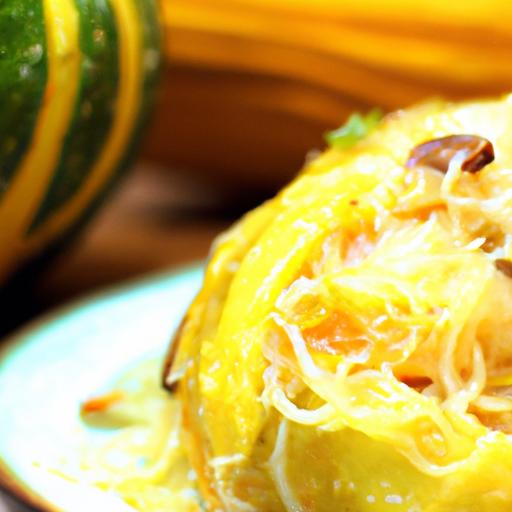
Spaghetti Squash with Marinara offers a fresh and vibrant twist on classic pasta that’s both nourishing and bursting with flavor.This dish captures the essence of Italian comfort food while embracing a lighter, vegetable-forward approach-perfect for anytime you crave something hearty yet wholesome.The naturally stringy flesh of the spaghetti squash creates the perfect canvas for a rich, tangy homemade marinara sauce, marrying texture and taste in every bite.
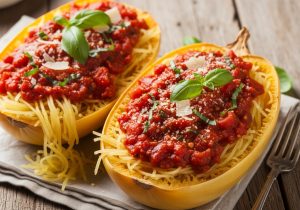
Prep and Cook Time
- Readiness: 15 minutes
- Cooking: 45 minutes
- Total Time: 1 hour
Yield
Serves 4 generous portions
Difficulty Level
easy to Medium - ideal for both kitchen novices and seasoned home cooks
Ingredients
- 1 medium spaghetti squash (about 3 pounds)
- 2 tbsp olive oil, divided
- 1 medium yellow onion, finely chopped
- 4 garlic cloves, minced
- 1 can (28 oz) whole peeled tomatoes, crushed by hand or with a blender
- 1 tsp dried oregano
- 1 tsp dried basil
- 1/2 tsp red pepper flakes (optional, for a subtle kick)
- Salt and freshly ground black pepper, to taste
- Fresh basil leaves, for garnish
- Grated Parmesan cheese or vegan alternative, for serving
- Optional toppings: sautéed mushrooms, roasted cherry tomatoes, sliced olives, fresh baby spinach
Instructions
- choose the perfect Spaghetti Squash: Pick a firm, medium-sized spaghetti squash with a pale yellow hue and no soft spots. the weight should feel heavy for its size, promising moisture and flavor.
- Preheat oven to 400°F (200°C). Using a sharp chef’s knife, carefully cut the squash in half lengthwise. Scoop out the seeds and stringy pulp with a spoon.
- Brush the cut sides of the squash with 1 tablespoon of olive oil. Place the halves cut-side down on a baking sheet lined with parchment paper or a silicone mat.
- roast for 40 minutes, or until the flesh is tender and easily strands with a fork. The squash should be golden at the edges but still moist inside for that perfect al dente bite.
- Prepare the marinara Sauce: While the squash roasts, heat the remaining 1 tablespoon of olive oil in a large skillet over medium heat. Add the chopped onion and sauté until soft and translucent, about 6-7 minutes.
- Add the minced garlic and cook 1 more minute until fragrant. Pour in the crushed tomatoes, then stir in the oregano, basil, red pepper flakes, salt, and pepper.
- Simmer the sauce gently on low heat for 20-25 minutes, stirring occasionally to develop a deep, rich flavor. Adjust seasoning to taste.
- When the squash is done, use a fork to rake through the flesh, creating long, noodle-like strands.Transfer the strands to serving plates.
- Ladle warm marinara sauce over the spaghetti squash strands, allowing the vibrant red sauce to coat the tender vegetable “noodles.”
- Add creative toppings such as sautéed mushrooms or roasted cherry tomatoes for bursts of umami and color. Garnish with fresh basil leaves and a sprinkle of Parmesan or nutritional yeast.
Tips for Success
- Roasting Tips: For deeper caramelization, rotate the baking sheet halfway through roasting. If pressed for time, microwave the squash halves cut-side down for 10 minutes before roasting to soften faster.
- Marinara variations: Use fresh tomatoes in season for a brighter, fresher flavor. Add a splash of high-quality balsamic vinegar to enrich the sauce’s tanginess.
- Storage: Leftover spaghetti squash and marinara sauce can be stored separately in airtight containers in the refrigerator for up to 3 days. Reheat gently to maintain texture.
- Vegan & Gluten-Free: This recipe is naturally gluten-free and can be vegan with plant-based cheese alternatives.
Serving Suggestions
Serve the spaghetti squash with marinara on warm, shallow bowls to showcase the vibrant sauce against the pale squash strands. For a pop of contrast and freshness, drizzle some extra virgin olive oil and scatter torn fresh basil or parsley atop. Add crunchy toasted pine nuts or a handful of baby spinach quickly wilted in the marinara for added texture and nutrition. Pair with a crisp green salad or garlic-roasted vegetables on the side for a well-rounded, colorful meal.
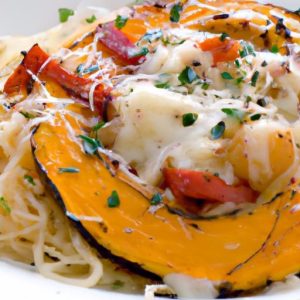
Nutritional details
| Nutrient | Per Serving |
|---|---|
| Calories | 220 kcal |
| Protein | 5 g |
| Carbohydrates | 30 g |
| Fat | 7 g |
Looking for more vegetable-forward Italian inspiration? Check out our Zucchini Noodle Primavera recipe for another fresh take on pasta night. For detailed information on the nutritional benefits of spaghetti squash,visit the Healthline nutrition guide.
Q&A
Q&A: Spaghetti Squash with Marinara – A Vibrant Twist on Pasta
Q1: What makes spaghetti squash a great alternative to traditional pasta?
A1: Spaghetti squash transforms beautifully when cooked, yielding tender, noodle-like strands that perfectly mimic the texture of spaghetti. It’s naturally low in carbs and calories, making it an excellent choice for those looking to enjoy a pasta-like dish without the heaviness of flour-based noodles. Plus, its mild, slightly sweet flavor provides a fantastic blank canvas that lets vibrant sauces like marinara really shine.
Q2: how do you prepare spaghetti squash so that it has the ideal texture?
A2: The key is roasting or steaming the squash until it’s tender but not mushy. after halving and removing the seeds, bake it cut-side down at about 400°F (200°C) for 40-45 minutes. Once cooled slightly, use a fork to gently scrape the flesh into spaghetti-like strands.This method keeps the strands intact and gives a satisfyingly al dente bite.
Q3: Can you customize the marinara sauce to complement the squash?
A3: Absolutely! A homemade marinara bursting with ripe tomatoes, garlic, basil, and a hint of chili flakes elevates the dish. For a unique twist,try adding roasted red peppers or sun-dried tomatoes into the sauce. The natural sweetness of the spaghetti squash pairs beautifully with these layers of rich, savory tang.
Q4: is spaghetti squash with marinara suitable for special diets?
A4: Yes,this dish is naturally gluten-free,vegetarian,and vegan if prepared without dairy toppings. It fits perfectly into low-carb and paleo lifestyles as well. Since the squash itself is nutrient-dense, it adds vitamins and fiber without excess calories, creating a wholesome, satisfying meal.
Q5: What are some fun toppings or mix-ins to jazz up spaghetti squash with marinara?
A5: Sprinkle toasted pine nuts or chopped fresh herbs like parsley or oregano for a fresh crunch and aroma. Nutritional yeast offers a cheesy, nutty kick for those avoiding dairy. You can also toss in sautéed mushrooms, roasted eggplant, or sautéed spinach for added texture and nutrition. The possibilities are endless and exciting!
Q6: How can you make spaghetti squash with marinara a kid-pleasant meal?
A6: Keep the marinara sauce smooth and mildly seasoned to appeal to younger palates, then add a sprinkle of shredded mozzarella or a handful of finely grated vegetables hidden in the sauce. Serving it with fun, colorful sides like steamed carrots or sweet peas can make the plate more inviting. Kids frequently enough enjoy the novelty of ”spaghetti” that comes from a vegetable, making mealtime a playful experience.
Q7: Can spaghetti squash be prepared ahead of time for busy weeknights?
A7: Definitely! Roast or steam your spaghetti squash in advance and store the strands in the fridge for up to 4 days. The marinara sauce can also be made in large batches and refrigerated or frozen in portions. When ready to eat,simply warm the squash and sauce together,and you have a quick,vibrant,and healthy meal that feels homemade.
Q8: What’s the best way to serve spaghetti squash with marinara for an notable presentation?
A8: Serve the squash strands twirled around a fork like traditional pasta on each plate, topped generously with vibrant marinara. Garnish with fresh basil leaves and a drizzle of high-quality extra virgin olive oil.A scattering of colorful bell pepper strips or a handful of microgreens adds a cheerful pop, turning a simple dish into a feast for the eyes as well as the taste buds.
To Wrap It Up
Whether you’re seeking a lighter alternative to traditional pasta or simply craving a dish bursting with color and nutrition, spaghetti squash with marinara offers a vibrant twist that satisfies both the palate and the body. Its naturally tender strands provide the perfect canvas for rich, tangy tomato sauce, creating a harmony of flavors that feels comforting yet refreshingly new. Next time you want to reinvent your dinner routine, let this stunning, versatile vegetable take center stage-proving that wholesome eating can be deliciously simple and brilliantly bright.

Spaghetti Squash with Marinara: A Healthy Twist on Pasta
Spaghetti squash with marinara offers a vibrant,nutrient-packed alternative to traditional pasta dishes. this delightful combination celebrates the natural sweetness and delicate strands of spaghetti squash, perfectly matched with a rich, homemade marinara sauce. Inspired by the quest for wholesome meals that never compromise on flavor, this dish invites you to savor comfort food with a fresh, health-conscious twist.
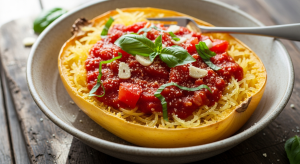
Prep and Cook Time
Readiness: 15 minutes | Cooking: 45 minutes | Total: 1 hour
Yield
Serves 4 hearty portions
Difficulty Level
Easy – Perfect for beginners and seasoned cooks alike
Ingredients
- 1 medium spaghetti squash (about 3 pounds)
- 2 tablespoons extra virgin olive oil,divided
- 1 small yellow onion,finely chopped
- 4 cloves garlic,minced
- 1 (28-ounce) can crushed tomatoes
- 1 teaspoon dried oregano
- 1 teaspoon dried basil
- ½ teaspoon red pepper flakes (optional)
- Salt and freshly ground black pepper,to taste
- Fresh basil leaves,for garnish
- Grated parmesan cheese or dairy-free alternative,optional
Instructions
- Prepare the Spaghetti Squash: Preheat your oven to 400°F (200°C). Using a sharp knife, carefully slice the spaghetti squash lengthwise and scoop out the seeds.Lightly brush the inside with 1 tablespoon of olive oil and season with a pinch of salt.
- Roast: Place the squash halves cut-side down on a parchment-lined baking sheet. Roast until tender and easily pierced by a fork, about 40-45 minutes. The flesh should separate into strands with a fork effortlessly.
- make the Marinara Sauce: While the squash roasts, heat the remaining olive oil in a medium saucepan over medium heat. Add the chopped onion and sauté until translucent, about 5 minutes, stirring occasionally to prevent sticking.
- Add Garlic: Stir in minced garlic and cook until fragrant, about 1 minute; avoid browning to keep the sauce bright.
- Simmer: Pour in the crushed tomatoes, and stir in oregano, basil, and red pepper flakes if using. Season with salt and pepper. Reduce heat to low and let simmer gently, uncovered, for 20-25 minutes, stirring occasionally until thickened and aromatic.
- Fluff the Squash: Once the squash is cool enough to handle, use a fork to scrape out the strands into a large bowl, taking care to keep them light and fluffy.
- Combine and serve: scoop generous portions of spaghetti squash onto plates and ladle warm marinara sauce over the top. Garnish with fresh basil leaves and a sprinkle of Parmesan or a dairy-free alternative for a personalized finish.
Tips for Success
- Choosing Your Squash: select one that feels heavy for its size with firm, unblemished skin for sweeter, more tender strands.
- Alternative Cooking Methods: for a faster approach, microwave the squash halves cut-side down for 12-15 minutes, but roasting enhances flavor and texture for this recipe.
- Sauce Variations: Fresh tomatoes can replace canned if in season; simply simmer longer and blend for a silky texture.
- make-ahead: Both the roasted squash strands and marinara sauce can be prepared up to two days in advance-store separately and reheat gently before serving.
- Flavor Boosters: Adding a splash of balsamic vinegar or a pinch of smoked paprika to the sauce can deepen its complexity.
- Gluten-Free & vegan Friendly: This recipe naturally fits all these diets, making it an inclusive choice for every table.
creative Serving Suggestions and Pairings
Transform your plate into a colorful, nutritious masterpiece by incorporating complementary textures and flavors. Top your spaghetti squash with marinara with toasted pine nuts or slivered almonds for a delightful crunch. A drizzle of high-quality extra virgin olive oil or a dollop of fresh ricotta can add richness.
For added protein, pair this dish with grilled chicken breast or succulent sautéed mushrooms seasoned with thyme and garlic.A crisp arugula salad with lemon vinaigrette provides a bright counterpoint, while roasted seasonal vegetables bring warmth and depth – think charred bell peppers, zucchini ribbons, or caramelized eggplant cubes.
To elevate presentation, serve in shallow bowls and garnish with torn basil leaves and freshly cracked black pepper. Bright red cherry tomatoes halved and lightly tossed with olive oil around the rim offer vibrant visual appeal. For a elegant touch, sprinkle a few flakes of nutritional yeast or smoked sea salt to awaken the senses.

Nutritional Information per Serving
| Calories | Protein | Carbs | Fat |
|---|---|---|---|
| 180 | 5g | 28g | 6g |
For more wholesome, veggie-friendly dishes, explore our Roasted Vegetable Bowl. To deepen your knowledge on the health benefits of spaghetti squash, visit the Healthline article on spaghetti squash nutrition.
Q&A
Q&A: spaghetti Squash with Marinara – A Healthy Twist on Pasta
Q1: What makes spaghetti squash a great alternative to traditional pasta?
A1: Spaghetti squash is a low-carb, nutrient-dense vegetable that naturally forms strands resembling spaghetti when cooked. Unlike traditional pasta, it’s rich in fiber, vitamins A and C, and antioxidants, making it a lighter, more nutrient-packed option.Plus, it’s gluten-free-perfect for those with dietary restrictions.
Q2: How do you cook spaghetti squash to get those perfect “noodles”?
A2: The key is roasting or steaming. Slice the squash in half lengthwise, scoop out the seeds, and roast cut-side down at 400°F for about 40 minutes. Once tender, use a fork to gently scrape the flesh, which will separate into delightful spaghetti-like strands.
Q3: What are some tips for making a flavorful marinara sauce to pair with spaghetti squash?
A3: Fresh ingredients are your best friends! Start with sautéed garlic and onions, then add crushed tomatoes, a pinch of red pepper flakes for a hint of heat, fresh basil, oregano, and a dash of salt and pepper. Let it simmer gently to develop rich flavors. Adding a splash of vegetable broth can enhance depth without heaviness.
Q4: Can this dish be customized for different dietary needs?
A4: Absolutely! For a vegan version, stick with olive oil and plant-based herbs. If you want added protein,toss in sautéed mushrooms,lentils,or even chickpeas. For extra creaminess without dairy, a spoonful of cashew cream or blended tofu can be stirred into the marinara.Q5: How can spaghetti squash help in a balanced meal plan?
A5: Because it’s low in calories but high in fiber, spaghetti squash helps you feel full longer without the carb overload. Paired with a tomato-based sauce and vegetables or legumes,it becomes a filling,balanced meal loaded with vitamins and antioxidants that support digestion and overall wellness.
Q6: Are there any storage tips for leftovers?
A6: Store cooked spaghetti squash strands and marinara sauce separately in airtight containers in the fridge.The squash keeps for up to 4 days, and the sauce can last about a week.Reheat gently on the stove to preserve texture and flavor.
Q7: Can spaghetti squash be served cold or in salads?
A7: Yes! Once cooked and cooled, it makes a fantastic base for a refreshing pasta salad. Toss it with cherry tomatoes, diced cucumbers, olives, fresh herbs, and a light vinaigrette for a crisp, nutrient-rich dish perfect for warm days.
Q8: What are some creative add-ins to elevate this dish?
A8: Think beyond the basics: roasted red peppers, sautéed spinach, artichoke hearts, or even a sprinkle of nutritional yeast add complexity. Toasted pine nuts or sunflower seeds bring an unexpected crunch,while fresh lemon zest brightens the whole plate.
Transforming spaghetti squash with a homemade marinara creates a wholesome, vibrant meal that satisfies pasta cravings while keeping nutrition front and centre. Ready to twirl your fork into this garden-fresh delight?
Future Outlook
Embracing spaghetti squash as a base for your marinara not onyl adds a vibrant, nutrient-packed twist to a beloved classic but also invites a fresh wave of creativity into your kitchen. This humble gourd transforms a familiar comfort food into a lighter, fiber-rich delight that satisfies both the palate and the body. Whether you’re seeking a gluten-free option, a low-carb alternative, or simply a new way to enjoy your favorite flavors, spaghetti squash with marinara proves that healthy eating doesn’t mean sacrificing taste. So next time you crave pasta night, let this golden vegetable take center stage-and savor the appetizing harmony of health and tradition in every bite.
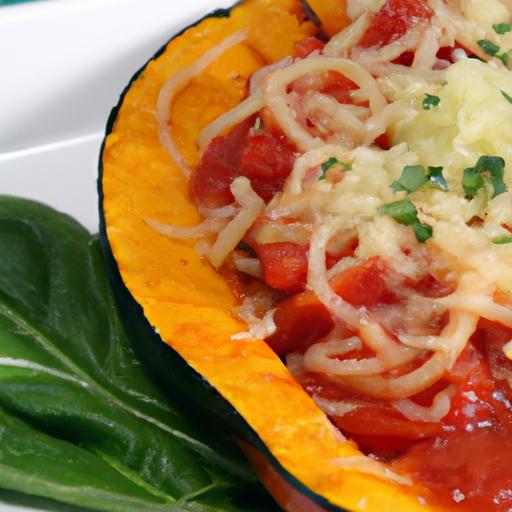

Twist on Classics: Spaghetti Squash Meets Keto Alfredo Bliss reinvents a beloved Italian favourite by transforming hearty, carb-rich pasta into a vibrant and nourishing low-carb masterpiece. This dish pairs the natural sweetness and delicate texture of spaghetti squash with an ultra-creamy, dreamy keto Alfredo sauce, making it the perfect meal for keto enthusiasts craving indulgence without compromise. It’s a celebration of fresh herbs, sumptuous creaminess, and the subtle earthiness of squash – all coming together in a bowl that satisfies your comfort food cravings while keeping carbs at bay.
Prep and Cook Time
- Planning: 15 minutes
- cooking: 45 minutes
- Total Time: 60 minutes
Yield
- Serves 4 hungry guests
Difficulty Level
- Easy to Medium
Ingredients
- 1 medium spaghetti squash (about 3 pounds)
- 3 tablespoons unsalted butter
- 3 cloves garlic, minced
- 1 cup heavy cream
- 1 cup freshly grated Parmesan cheese
- 1/2 cup cream cheese, softened
- 1/4 teaspoon xanthan gum (optional, for thickening)
- Salt and freshly ground black pepper, to taste
- 1 tablespoon fresh chopped Italian parsley
- 1 teaspoon fresh thyme leaves
- 1/2 teaspoon crushed red pepper flakes (optional, for a subtle kick)
- 1 tablespoon olive oil (for roasting)
instructions
- Prepare the squash: Preheat your oven to 400°F (200°C). Cut the spaghetti squash in half lengthwise. Scoop out the seeds and stringy membrane. Brush the cut sides with olive oil and season lightly with salt. Place cut-side down on a baking sheet lined with parchment paper.
- Roast the squash: Roast for 35-40 minutes until the flesh is tender and easily scraped with a fork into spaghetti-like strands. Remove from oven and let cool slightly.
- Make the keto Alfredo sauce: While the squash roasts, melt the butter in a large skillet over medium heat. add the minced garlic and sauté until fragrant and golden, about 2 minutes, stirring to avoid burning.
- Reduce heat to low and stir in the cream cheese until fully melted and smooth. Slowly pour in the heavy cream while whisking continuously to combine.
- thicken the sauce: Sprinkle the xanthan gum evenly over the sauce and whisk vigorously to avoid clumps. let it simmer gently for 3-5 minutes until the sauce thickens to a velvety consistency.
- Remove from heat and whisk in the freshly grated Parmesan cheese until melted and silky smooth. Season with salt, freshly ground black pepper, fresh thyme leaves, and crushed red pepper flakes if using.
- Combine squash and sauce: Using a fork, scrape the spaghetti squash strands gently into a large bowl, removing any large chunks or stringy bits. Pour the Alfredo sauce over the strands, folding gently to coat evenly without breaking the delicate strands.
- Serve promptly: Plate the squash Alfredo in shallow bowls or wide pasta plates. Garnish generously with freshly chopped Italian parsley and an extra sprinkle of Parmesan.
Tips for Success: Chef’s notes
- Squash selection: Choose a medium-sized spaghetti squash with a firm shell and minimal blemishes for the best texture.
- Roast evenly: don’t skip brushing with olive oil; this not only enhances flavor but also helps caramelize the edges, adding depth.
- Garlic infusion: For a milder garlic flavor, infuse the butter with garlic by sautéing it gently without browning – this gives a subtle aromatic base.
- Keto thickener: Xanthan gum is optional but helps replicate the luscious mouthfeel of customary Alfredo sauce without flour or starches.
- Make ahead: Roast the spaghetti squash a day ahead and refrigerate. Reheat gently and toss with warm sauce to maintain perfect texture.
- Variation: For a smoky depth, add a pinch of smoked paprika to the sauce or garnish with toasted pine nuts for crunch.
Serving Suggestions
This dish truly shines when served alongside crisp, vibrant sides. Consider a fresh Keto Caesar Salad for a refreshing balance.For presentation,serve in wide bowls to showcase the spaghetti-like strands swirling through the creamy sauce,topped with vibrant herb sprigs and freshly cracked black pepper.
A light drizzle of good-quality extra virgin olive oil or a few lemon zest curls can add a radiant finishing touch. Pair with a side of sautéed garlic green beans or roasted asparagus for a complete low-carb feast. For a visual pop, scatter freshly toasted chopped walnuts or slivered almonds on top – the contrast of textures elevates every bite.
| Nutritional Info (Per Serving) | Calories | protein | Carbs (Net) | Fat |
|---|---|---|---|---|
| Spaghetti Squash Keto Alfredo | 370 | 15g | 8g | 30g |

for more in-depth insights on keto-pleasant pasta substitutes and sauces, check out this excellent resource by Healthline’s keto Food Guide.
Q&A
Q&A: Twist on Classics: Spaghetti Squash Meets Keto Alfredo Bliss
Q1: What inspired the idea of combining spaghetti squash with a keto Alfredo sauce?
A: The inspiration came from a desire to reinvent a beloved comfort food-the creamy,dreamy Alfredo pasta-but with a low-carb,nutrient-packed twist. Spaghetti squash naturally mimics the texture of noodles, making it the perfect vessel for a rich, keto-friendly Alfredo sauce without compromising on flavor or satisfaction.
Q2: How does spaghetti squash serve as a great substitute for traditional pasta in this dish?
A: Spaghetti squash is a marvelous vegetable that, when cooked, strands into noodle-like threads. It offers a lighter, fiber-rich choice to pasta, which perfectly aligns with keto principles by drastically cutting carbs. Plus, it adds subtle sweetness and crunch that balances beautifully with the velvety Alfredo sauce.
Q3: What are the key ingredients of the keto Alfredo sauce in this recipe?
A: The backbone of keto Alfredo sauce is heavy cream and real butter, which provide richness without carbs. Parmesan cheese adds sharpness and depth, while garlic and a hint of nutmeg bring aromatic warmth. For an extra creamy texture and a touch of tang, cream cheese or mascarpone can be gently melted in.
Q4: Can this dish be adapted for different dietary preferences?
A: Absolutely! This dish is naturally gluten-free and can be made vegetarian by keeping the sauce purely cheese-based.For those who want an added protein boost, grilled chicken or sautéed mushrooms complement the creamy sauce perfectly without overpowering its essence.Q5: What are some tips for perfectly cooking spaghetti squash for this recipe?
A: to get those perfect strands, roast or microwave the spaghetti squash until it’s tender but not mushy-usually about 35-45 minutes in the oven at 400°F (200°C). Once cooked, use a fork to gently shred the flesh into spaghetti-like threads. Avoid overcooking to keep a slightly al dente texture that holds up under the creamy sauce.
Q6: How can you elevate the flavor profile while keeping the dish keto-friendly?
A: Elevate the dish by stirring in fresh herbs such as parsley or basil at the end for brightness. Toasted pine nuts or slivered almonds add a delightful crunch without adding many carbs. A sprinkle of freshly cracked black pepper and a squeeze of lemon juice can also brighten the rich alfredo sauce,creating a more dynamic balance.
Q7: is spaghetti squash suitable for meal prepping keto meals?
A: Definitely! Spaghetti squash holds up well in the fridge for several days when stored properly. You can make large batches, prepping the squash and sauce separately, then combining and reheating portions as needed. Just be sure to gently reheat to prevent the sauce from breaking.Q8: How does this twist on Alfredo benefit someone following a ketogenic lifestyle?
A: Traditional Alfredo loaded with pasta can be a carb trap,but swapping noodles for spaghetti squash slashes carbs dramatically while packing in vitamins and fiber. The creamy, fatty Alfredo sauce fits perfectly into keto macros, offering sustained energy and satisfaction without kicking you out of ketosis.
Q9: Are there any common pitfalls to avoid when making keto Alfredo with spaghetti squash?
A: One common pitfall is overcooking the squash until it becomes soggy, which can dilute the sauce’s creaminess. Another is overheating the sauce, which may cause separation. Slow, gentle heat is key when melting cheese and cream together to maintain a smooth, lusciously thick sauce that hugs every strand.
Q10: What’s the best occasion to serve this creative take on Alfredo?
A: This elegant yet comforting dish shines at weeknight dinners when you crave something indulgent but health-conscious. It’s also perfect for impressing guests at a dinner party who appreciate keto or low-carb fare with a gourmet touch. Plus, it’s a colorful addition to any meal rotation looking to break free from traditional carbs without losing the classic flavors we love.
In Summary
as we’ve unraveled the creamy, dreamy layers of this keto Alfredo twist, it’s clear that spaghetti squash isn’t just a humble veggie-it’s a versatile superstar ready to elevate your low-carb journey. By marrying classic comfort with nutritious innovation, this dish proves that indulgence and health can dance elegantly on your palate. So next time you crave that rich, velvety Alfredo experience without the carb overload, remember: sometimes, the best classics get their magic from a little unexpected twist. Embrace the squash, savor the sauce, and let your culinary creativity run wild.
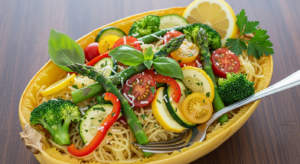
Spaghetti Squash Primavera: A Fresh Twist on classic Pasta
Spaghetti Squash Primavera offers an irresistible way to savor the vibrant crunch and garden-fresh allure of primavera vegetables while embracing a nutritious, grain-free pasta substitute. This dish reimagines traditional Italian comfort food by swapping out conventional noodles for tender ribbons of roasted spaghetti squash, creating a light yet satisfying meal bursting with color and flavor. inspired by the lively spirit of spring markets and sun-soaked afternoons,it’s the perfect way to bring wholesome freshness to your table without sacrificing taste or texture.
Prep and Cook Time
- Preparation: 15 minutes
- Cooking: 40 minutes
- Total Time: 55 minutes
Yield
Serves 4 generous portions
Difficulty Level
Easy
Ingredients
- 1 medium spaghetti squash (about 3 pounds), halved lengthwise and seeded
- 2 tablespoons extra-virgin olive oil, divided
- 1 small red bell pepper, thinly sliced
- 1 medium zucchini, julienned
- 1 cup cherry tomatoes, halved
- 1 cup asparagus tips, trimmed and cut into 1-inch pieces
- 3 cloves garlic, minced
- 1/2 cup frozen peas, thawed
- 1 teaspoon fresh lemon zest
- 2 tablespoons freshly squeezed lemon juice
- 1/4 cup fresh basil leaves, chiffonade
- 1/4 cup grated Parmesan cheese (optional for garnish)
- Salt and freshly ground black pepper, to taste
- Red pepper flakes, optional for a subtle kick
Instructions
- Roast the Spaghetti Squash: Preheat your oven to 400°F (200°C). Drizzle 1 tablespoon of olive oil over the cut sides of the squash and lightly season with salt. Place squash face down on a parchment-lined baking sheet and roast for 35-40 minutes, until tender and easily pierced with a fork. Allow to cool slightly before using a fork to scrape out the strands into a large bowl.
- Sauté the Vegetables: Heat the remaining 1 tablespoon of olive oil in a large skillet over medium heat. Add the minced garlic and cook until fragrant, about 30 seconds. Toss in the red bell pepper, zucchini, and asparagus tips. Sauté until vegetables are tender-crisp, about 5-7 minutes, stirring occasionally to ensure even cooking.
- Add Cherry Tomatoes and Peas: Stir in the cherry tomatoes and peas, cooking just until the tomatoes begin to soften, about 2 minutes. Season with salt, pepper, and red pepper flakes if using, to brighten the flavors.
- Combine and Flavor: Fold the roasted spaghetti squash strands into the sautéed vegetables. Add lemon zest and juice, gently tossing to coat everything evenly.Taste and adjust seasoning as needed.
- Finish with Fresh Herbs: Remove from heat and stir in fresh basil leaves, allowing their delicate aroma to infuse the dish.
- Plate and Garnish: Divide the Primavera over warm plates and sprinkle with grated Parmesan cheese for a subtle nutty finish, if desired.Serve immediately.
Tips for Success
- Choose a spaghetti squash that feels heavy for its size with firm, unblemished skin for the best texture and flavor.
- Roasting the squash cut-side down helps steam the flesh, making it easier to shred without drying out.
- Feel free to swap in other seasonal vegetables like snap peas, baby spinach, or even thinly sliced fennel for added depth.
- For a vegan option, omit the Parmesan cheese and boost flavor with nutritional yeast or toasted pine nuts.
- Prepare the roasted squash a day ahead and store covered in the refrigerator to save time on busy nights.
- To avoid sogginess, sauté vegetables separately and only combine with squash just before serving.
Serving Suggestions
This light and refreshing dish shines with simple garnishes that enhance its bright flavors.Serve alongside a crisp mixed greens salad dressed with a lemon vinaigrette for an added burst of acidity. Sprinkle chopped toasted almonds or walnuts on top for a delightful crunch contrast to the tender squash strands. For a heartier meal, pair with oven-roasted chicken breast or grilled fish seasoned lightly with herbs and olive oil-a perfect balance of protein and fresh vegetables.A wedge of lemon on the side invites each guest to brighten their plate further.
Nutrition Information
| Nutrient | Amount per Serving |
|---|---|
| Calories | 210 kcal |
| protein | 6 g |
| Carbohydrates | 28 g |
| Fat | 8 g |
Explore more wholesome pasta alternatives in our comprehensive guide to pasta substitutes,or learn about the unbelievable nutritional benefits of spaghetti squash from this Healthline article.
Q&A
Q&A: Spaghetti Squash Primavera – A Fresh Twist on Classic Pasta
Q1: what exactly is spaghetti squash, and why use it in a primavera dish?
A: Spaghetti squash is a vibrant, golden-hued winter squash known for its unique flesh that, once cooked, separates into long, noodle-like strands resembling spaghetti. Using it in a primavera dish adds a delightful textural twist-light, slightly crunchy, and naturally gluten-free-offering a fresh alternative to traditional pasta while soaking up the bright flavors of spring veggies.
Q2: How do you prepare spaghetti squash so it mimics the texture of pasta?
A: The magic lies in roasting or microwaving the squash whole until tender. Once cooked, you cut it in half, scoop out the seeds, and use a fork to gently scrape the flesh into thin strands. These “noodles” have a satisfying bite and provide a perfect canvas for vibrant primavera sauces and seasonal veggies.
Q3: What vegetables are best for a primavera-style sauce?
A: Primavera celebrates fresh, colorful veggies that embody the spirit of spring and early summer. Think crisp sugar snap peas, sun-kissed cherry tomatoes, tender asparagus tips, sweet bell peppers, and fresh basil or parsley. Each contributes a pop of color, texture, and brightness that makes the dish truly come alive.
Q4: how do you infuse the dish with flavor without traditional heavy sauces?
A: Light, fragrant olive oil serves as the perfect partner for sautéing vegetables, often enhanced with garlic, a squeeze of fresh lemon juice, and a pinch of red pepper flakes for subtle warmth. Finishing touches like shaved Parmesan (or a vegan alternative) and fresh herbs add depth without drowning the vibrant vegetable flavors.
Q5: Can spaghetti squash primavera be made ahead, or is it best served fresh?
A: While it’s best enjoyed fresh to maintain the squash’s delicate texture and the vegetables’ crispness, you can prepare the squash and veggies separately ahead of time. Gently reheat the strands and toss with warmed primavera veggies just before serving to keep everything bright and fresh.
Q6: Is spaghetti squash primavera suitable for all diets?
A: Absolutely! It’s naturally gluten-free, low in carbs, and packed with vitamins and fiber. It’s also easily adaptable for vegan or vegetarian diets by skipping cheese or using plant-based alternatives. This makes it a versatile dish that nourishes both body and soul while catering to varied dietary needs.
Q7: What makes this dish a ‘fresh twist’ on the classic pasta primavera?
A: The fresh twist comes from swapping conventional wheat pasta for spaghetti squash,which transforms the dish into a lighter,more nutrient-dense meal.It revitalizes the beloved primavera concept by marrying the old-world charm of seasonal vegetables with an innovative, healthful base-breathing new life into a timeless classic.
Q8: Any tips for elevating the presentation of spaghetti squash primavera?
A: Serve it in the squash shells for a charming, rustic touch or plate it with a sprinkle of toasted pine nuts and microgreens for added crunch and visual appeal. A drizzle of high-quality extra virgin olive oil and a few fresh herb leaves scattered on top bring a finishing flourish that’s as pleasing to the eye as it is indeed to the palate.
To Conclude
As the final strands of tender spaghetti squash twirl alongside vibrant vegetables in this Primavera-inspired dish, it’s clear that tradition doesn’t have to be confined to noodles and sauce. This fresh twist on classic pasta not only tantalizes your taste buds but also invites a lighter, nutrient-packed option to your culinary repertoire. whether you’re seeking a health-conscious meal or simply craving a burst of garden-fresh flavor, Spaghetti Squash Primavera proves that innovation and tradition can beautifully coexist on one plate. So next time you’re in the kitchen, let this colorful medley inspire you to reimagine the familiar and savor the extraordinary.
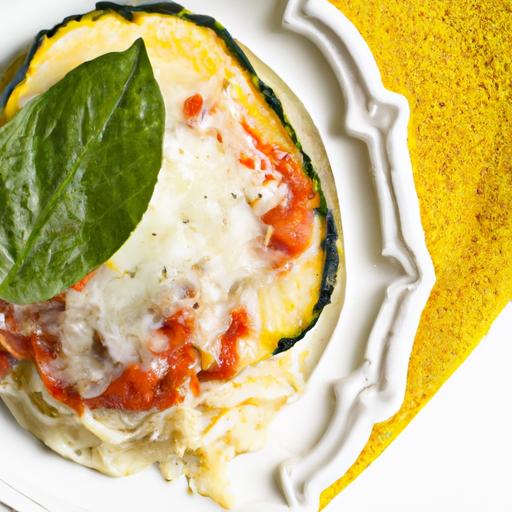
Spaghetti Squash as a Nutritional Powerhouse Enhancing Your Health and Wellness
Spaghetti Squash Delight is a vibrant and nourishing dish that harnesses the natural benefits of this unique vegetable, celebrated for its low-calorie, high-fiber properties and rich supply of antioxidants and vitamins. This versatile squash offers a naturally gluten-free alternative to traditional pasta,bringing a light,subtly sweet texture that complements fresh,herbaceous ingredients perfectly.Incorporating spaghetti squash into your meals can enhance digestion, support weight management, and boost overall vitality.
Prep and Cook Time
- Preparation: 15 minutes
- Cooking: 40 minutes
- Total: 55 minutes
Yield
- Serves 4 generous portions
Difficulty Level
- Easy to Medium – perfect for weeknight meals or extraordinary healthy dinners
Crafting the perfect Pesto for Spaghetti Squash: A Flavorful Herbaceous Blend
Creating a luscious, homemade pesto is the heart of this Spaghetti Squash Delight and elevates the dish with layers of fresh, vibrant flavors. Traditional basil pesto meets creativity here-using fresh basil leaves combined with aromatic garlic, toasted pine nuts, and a generous drizzle of high-quality extra virgin olive oil. The result is an herbaceous sauce that clings beautifully to the strands of spaghetti squash, imparting a rich, nutty, and slightly tangy character.
- Use fresh ingredients: The magic of pesto is in its freshness. Always opt for vivid green basil and freshly grated Parmesan (or nutritional yeast for a vegan twist).
- toast your nuts: Toasting pine nuts, or even walnuts for a heartier flavor, unlocks deeper nuttiness and a warm aroma.
- Balance the oils: Gradually add olive oil to achieve the right creamy texture-never too thin,never too chunky.
Cherry Tomatoes Bringing Sweetness and Vibrancy to Your Dish
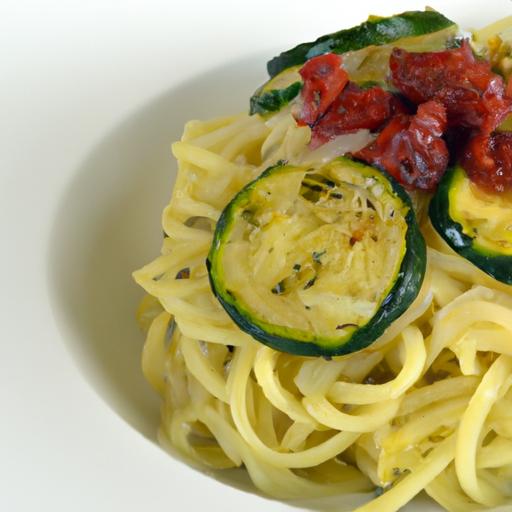
Cherry tomatoes are more than just a colorful garnish; they inject a burst of sweetness and juiciness that contrasts perfectly with the savory pesto and subtle squash. Sautéed lightly, they soften just enough to release their natural sugars, brightening the dish with a jewel-like gleam and a fresh, summery acidity that wakes the palate.
Tip: Choose ripe, plump cherry tomatoes in a variety of reds and yellows to maximize visual appeal and flavor complexity.
Step by Step Guide to Creating the Ultimate Spaghetti Squash Delight
follow this approachable method to build a crowd-pleasing, wholesome meal that feels indulgent but is packed with nutrition.
Ingredients
- 1 medium spaghetti squash (about 3-4 lbs)
- 2 cups fresh basil leaves, packed
- 1/3 cup pine nuts, toasted
- 3 cloves garlic, peeled
- 1/2 cup grated Parmesan cheese (or 1/2 cup nutritional yeast for vegan)
- 1/2 cup extra virgin olive oil
- 1 pint cherry tomatoes, halved
- Salt and freshly ground black pepper, to taste
- 1 tablespoon lemon juice (freshly squeezed)
- Fresh basil sprigs for garnish
Instructions
- Prepare the squash: Preheat your oven to 400°F (200°C). Carefully halve the spaghetti squash lengthwise and scoop out the seeds with a spoon. Place halves cut-side down on a parchment-lined baking sheet.
- Roast: bake for 35-40 minutes until the flesh is tender and easily shredded with a fork. Remove from oven and let cool slightly.
- Toast pine nuts: While the squash roasts, heat a small skillet over medium heat. Toast pine nuts until golden and fragrant-about 3-4 minutes-stirring frequently to avoid burning.Set aside to cool.
- Make the pesto: In a food processor, combine basil leaves, toasted pine nuts, garlic, and Parmesan cheese. Pulse until finely chopped.
- Stream in olive oil: With the processor running, slowly add olive oil until a creamy sauce forms. Scrape down the sides as needed. Season with salt, pepper, and lemon juice.
- prepare cherry tomatoes: In a skillet over medium heat, sauté halved cherry tomatoes for 3-5 minutes until slightly softened but still holding their shape. Season lightly with salt and pepper.
- Shred the squash: Using a fork,scrape the flesh of the roasted spaghetti squash to create thin “noodles.” Transfer to a large serving bowl.
- Toss the dish: Pour pesto over the spaghetti squash strands and gently toss to coat evenly. Fold in sautéed cherry tomatoes carefully to distribute their sweetness.
- Plate and garnish: Divide the spaghetti squash delight among plates.Garnish with fresh basil sprigs and an extra drizzle of olive oil if desired.
ChefS Notes and Tips for Success
- Squash selection: Choose a firm, heavy spaghetti squash without blemishes for optimal texture and flavor.
- Pesto variations: For a creamy vegan pesto, blend in a small amount of soaked cashews or avocado.
- Make ahead: Pesto can be prepared up to 2 days in advance and refrigerated tightly sealed to preserve vibrancy.
- Texture tip: Avoid overcooking the squash – it should have a slight bite to mimic the mouthfeel of al dente pasta.
- Extra flavors: Add a pinch of chili flakes for heat or some toasted breadcrumbs for crunch.
Serving Suggestions
This dish shines as a light main course or an elegant side.Serve warm or at room temperature for a mediterranean-inspired feast. Pair with:
- A crisp mixed greens salad with lemon vinaigrette
- Grilled lemon-herb chicken or seared tofu for protein complementation
- Crusty artisan bread to soak up every last drop of pesto
For garnishing, sprinkle freshly grated Parmesan or a scattering of toasted pine nuts. A few radiant basil leaves lend a finishing touch that is as beautiful as it is fragrant.
| Nutrient | Amount per Serving |
|---|---|
| Calories | 280 kcal |
| Protein | 8 g |
| Carbohydrates | 20 g |
| fat | 18 g |
| Fiber | 4 g |

Discover more ways to enjoy creative vegetable-based dishes in our Healthy Vegetarian Recipes collection. For detailed health benefits of spaghetti squash, read this authoritative article from Healthline.
Q&A
Q&A: Spaghetti Squash Delight: Pesto & Cherry Tomato twist
Q1: What makes spaghetti squash a great substitute for traditional pasta?
A1: Spaghetti squash is a vibrant, low-carb alternative to traditional pasta, offering a naturally stringy texture that mimics spaghetti strands. It’s light, slightly sweet, and packed with nutrients like vitamins A and C, making it a wholesome base for creative dishes like our pesto and cherry tomato twist.
Q2: How do you prepare spaghetti squash to achieve those perfect spaghetti-like strands?
A2: The key is roasting or microwaving the squash whole or halved until tender.Once cooked,you simply use a fork to scrape out the flesh,which effortlessly separates into long,thin strands. This technique preserves its delicate texture, ready to soak up any sauce or seasoning.
Q3: What makes pesto a standout pairing with spaghetti squash?
A3: Pesto’s rich, herbaceous notes and creamy consistency beautifully complement the mild sweetness and subtle crunch of spaghetti squash.The basil, garlic, pine nuts, and Parmesan blend creates a vibrant flavor profile that brings the whole dish to life without overpowering the squash.
Q4: Why include cherry tomatoes in this dish?
A4: Cherry tomatoes add bursts of juicy freshness and a hint of acidity that balance the pesto’s richness.Their vibrant color also makes the dish visually appealing, creating a delightful contrast to the pale yellow squash strands.
Q5: Can this dish be modified for different dietary preferences?
A5: Absolutely! For a vegan twist, swap traditional Parmesan with nutritional yeast or a plant-based cheese alternative in the pesto. You can also experiment with nuts such as walnuts or almonds instead of pine nuts to suit allergies or tastes.
Q6: What are some easy ways to elevate the “Spaghetti Squash Delight” for a dinner party?
A6: Garnish with fresh basil leaves, a sprinkle of toasted pine nuts, and a drizzle of extra virgin olive oil to add sophistication. For extra texture, toss in some sautéed mushrooms or roasted bell peppers. Serving it in individual bowls with a wedge of lemon for a zingy finish can really impress guests.
Q7: How do you store leftovers to maintain flavor and texture?
A7: keep leftover spaghetti squash and pesto separate in airtight containers in the fridge. When ready to eat, gently warm the squash strands and mix in the pesto fresh to preserve the bright flavors and avoid sogginess.
This Q&A shines a light on the magic behind “Spaghetti Squash Delight: Pesto & Cherry Tomato Twist,” offering insights to inspire your next wholesome, colorful meal!
In conclusion
Whether you’re seeking a light, vibrant meal or a clever way to sneak more veggies onto your plate, this spaghetti Squash Delight with pesto and cherry tomatoes offers a delightful twist that’s both nutritious and tasty. Its tender, noodle-like strands paired with the fresh, herbaceous pesto and bursts of juicy tomatoes create a harmony of flavors that’s sure to brighten any dinner table. Next time you crave comfort food without the carbs, let this colorful dish inspire your culinary creativity and bring a fresh spin to your seasonal favorites.
Choosing the Perfect Butternut Squash for Maximum Flavor
Flavor-Packed Roasted Butternut Squash & Black Bean tacos begin their journey with the selection of the star ingredient: butternut squash. Opt for squash that feels heavy for its size, indicating dense, moist flesh rich in natural sugars.The skin should be matte, free of bruises or soft spots, with a deep beige tone that signals ripeness. smaller butternut squash-around 2 to 3 pounds-tend to be sweeter and more tender, making them ideal for roasting and taco fillings.
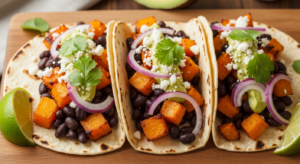
Look for uniform shape to ensure even cooking,and avoid any that are shriveled or have large discolorations.When you press your thumbnail gently on the skin, it should be firm and resist indentation. This subtle guidance ensures your tacos burst with sweetness and a luscious roasted texture that perfectly complements the bold black beans.
Mastering the Art of Roasting for Sweet and Smoky Notes
Roasting the butternut squash is where the flavor-packed roasted butternut squash & black bean tacos truly come alive.Cut your squash into evenly sized cubes (about 1-inch pieces) to promote caramelization. Toss them thoroughly with extra-virgin olive oil, a pinch of sea salt, freshly cracked black pepper, and a smoky touch of smoked paprika. Preheat your oven to 425°F (220°C) to achieve that perfect balance of tender interior and crispy edges.
Arrange the cubes in a single layer on a parchment-lined baking sheet, ensuring there’s enough space between them to roast rather than steam. Roast for 25-30 minutes, turning halfway through, until the edges are golden brown and the flesh yields easily to a fork. The roasting process intensifies the natural sugars in the squash, creating rich caramelized flavors with subtle smoky undertones that elevate every bite.
Elevating Black Beans with Bold Spices and Fresh Ingredients
No flavor-packed roasted butternut squash & black bean tacos are complete without perfectly seasoned black beans. Instead of relying on canned beans straight from the can, take a moment to heat and season them with fresh aromatics. Sauté diced red onions and minced garlic in a splash of olive oil until translucent and fragrant. Stir in ground cumin, chili powder, and a hint of cayenne to build layers of warmth and heat.
Add the black beans along with a squeeze of fresh lime juice and a handful of chopped cilantro for brightness. Let the beans simmer gently just long enough for the spices to meld but still retain their creamy texture. This seasoning technique adds depth and boldness that contrasts beautifully with the natural sweetness of the roasted butternut squash.
Crafting the Ultimate Taco Assembly for a burst of Textures and Taste
The assembly stage is your playground to balance flavors, colors, and textures that bring these tacos to life. Warm your tortillas over an open flame or in a dry skillet until soft and pliable-corn tortillas work beautifully for authenticity. Start with a generous base of the smoky roasted butternut squash, then layer on the seasoned black beans for a hearty foundation.
Top with fresh and creamy elements like diced avocado or a cooling cilantro-lime crema. Add crunchy radish slices, crisp shredded lettuce, or pickled red onions to introduce pops of texture and acidity. Finish with a sprinkle of crumbled cotija cheese or a squeeze of lime to brighten the ensembles. This careful layering ensures every bite delivers a pleasurable dance of sweet, smoky, tangy, and fresh notes, making your flavor-packed roasted butternut squash & black bean tacos unforgettable.
Prep and Cook Time
- Preparation: 20 minutes
- Roasting: 30 minutes
- Bean simmer & assembly: 15 minutes
- Total: 65 minutes
Yield
Serves 4-6 tacos, perfect for 3-4 hungry eaters.
Difficulty Level
Medium: Requires chopping, roasting, and balancing multiple flavors but is approachable for home cooks.
Ingredients
- 1 medium butternut squash (about 2-3 pounds), peeled and diced into 1-inch cubes
- 2 tablespoons extra-virgin olive oil, plus more for sautéing
- 1 teaspoon smoked paprika
- Salt and freshly ground black pepper, to taste
- 1 (15 oz) can black beans, drained and rinsed
- 1 small red onion, finely diced
- 2 cloves garlic, minced
- 1 teaspoon ground cumin
- 1 teaspoon chili powder
- Pinch of cayenne pepper (optional, for heat)
- Juice of 1 lime, plus wedges for serving
- Fresh cilantro, chopped, for garnish
- 6-8 corn tortillas
- 1 avocado, diced (optional, for creaminess)
- Pickled red onions or radish slices (optional for crunch and acidity)
- Crumbled cotija cheese or vegan alternative (optional)
Instructions
- Preheat oven to 425°F (220°C). Line a baking sheet with parchment paper.
- Prepare the butternut squash by peeling and cutting into 1-inch cubes. Toss with olive oil, smoked paprika, salt, and black pepper.
- Spread squash evenly on the prepared baking sheet, making sure pieces don’t crowd each other.
- roast for 25-30 minutes, turning once halfway through, until edges are caramelized and tender.
- Simultaneously occurring, heat a tablespoon of olive oil in a skillet over medium heat. Sauté diced red onion until translucent, about 5 minutes.
- Add minced garlic, cumin, chili powder, and cayenne pepper, cooking for 1-2 minutes until fragrant.
- Stir in black beans and a squeeze of lime juice.Cook gently for 5 minutes, stirring occasionally to combine flavors.
- Warm tortillas over an open flame or in a dry skillet until soft and pliable.
- assemble tacos by layering roasted squash, spiced black beans, diced avocado, pickled onions, or radishes.Garnish with fresh cilantro and a squeeze of lime.
- Serve instantly for the best balance of warm and fresh textures and bold flavors.
tips for Success
- Uniform cubes: Cut squash into consistent pieces to ensure even roasting and caramelization.
- Don’t overcrowd: Spread squash in one layer to get crisp edges rather than steaming.
- Enhance texture: Consider quick-pickling radishes in lime and salt for 10 minutes to add shining crunch.
- make ahead: Roasted squash and spiced beans can be prepared up to a day prior; keep refrigerated and reheat gently.
- Substitutions: Swap black beans for pinto beans for a creamier filling or add a smoky chipotle chili for more heat.
Serving Suggestions
Set up a colorful taco bar with warm tortillas, roasted butternut squash, and black beans. Include bowls of fresh avocado cubes, shredded lettuce, cotija cheese, pickled red onions, and lime wedges for customizable tacos. Pair with a crisp, citrusy salsa verde or roasted tomato salsa for an added zing. Serve alongside simple cilantro-lime rice or a fresh jicama slaw to round out your meal beautifully.
| Nutrient | Per Serving (2 Tacos) |
|---|---|
| Calories | 320 kcal |
| Protein | 11 g |
| Carbohydrates | 50 g |
| Fat | 7 g |
| Fiber | 12 g |

For more vibrant taco recipes and tips, check out our Vegetarian Taco Recipes. To deepen your knowledge of black beans and their nutritional benefits, visit the Nutrition.org Black Bean Profile.
Q&A
Q&A: Flavor-Packed Roasted Butternut Squash & Black Bean tacos
Q: What makes roasted butternut squash a perfect filling for tacos?
A: Roasted butternut squash transforms into a tender, caramelized delight with natural sweetness and a slightly nutty flavor. Its soft texture contrasts beautifully with the crispness of fresh taco toppings, creating a satisfying bite every time.Q: How do black beans complement the roasted butternut squash?
A: Black beans add a hearty,earthy richness and a creamy texture that balances the sweetness of the squash. Plus, they boost the protein content, making the tacos both tasty and nourishing.
Q: What spices should I use to elevate the flavor of these tacos?
A: Think smoky cumin, warm smoked paprika, a hint of chili powder for mild heat, and a dash of garlic powder. These spices create a vibrant, savory depth that wakes up your taste buds and makes each bite unforgettable.
Q: Can these tacos be made gluten-free?
A: Absolutely! Use corn tortillas instead of flour tortillas to keep the dish naturally gluten-free, while adding a slightly sweet corn flavor that pairs wonderfully with the squash and beans.
Q: What toppings work best for these flavor-packed tacos?
A: Fresh, bright toppings are key! Try a tangy lime crema, crunchy shredded cabbage or radish, a sprinkle of fresh cilantro, and maybe some diced avocado or a spoonful of your favorite salsa to add layers of flavor and texture.
Q: Is there an easy way to roast the butternut squash without drying it out?
A: Yes! Toss the squash cubes lightly in olive oil, season well, and roast them on a single layer at a high temperature (around 425°F/220°C). This helps them caramelize beautifully without becoming mushy or dry.
Q: How can I make these tacos vegan or vegetarian-amiable?
A: These tacos are naturally vegan and vegetarian! Using roasted veggies, black beans, and plant-based toppings means they’re perfect for any diet that avoids animal products.
Q: Can I prepare the ingredients ahead of time for quick weeknight meals?
A: Definitely! Roast the squash and cook the beans in advance, then store them separately in the fridge. When taco time comes, just warm everything up, assemble, and enjoy a fast, flavorful dinner.
Q: Are there any creative variations to try with this taco recipe?
A: Try adding pickled jalapeños for a spicy punch, swapping black beans for pinto beans or lentils for a twist, or topping with a mango salsa to introduce a tropical sweetness that contrasts beautifully with the roasted squash.
Q: Why choose butternut squash and black bean tacos over more traditional meat options?
A: These tacos offer a nutrient-rich, fiber-packed alternative that’s lighter on the stomach but full of bold, satisfying flavors. They’re great for anyone looking to enjoy plant-based meals without sacrificing taste or comfort.
The way Forward
As the final bite of these flavor-packed roasted butternut squash and black bean tacos lingers on your palate, you’ll appreciate how simple ingredients can unite to create a symphony of taste and texture. This vibrant combination isn’t just a feast for your taste buds-it’s a nourishing,colorful celebration of seasonal produce and wholesome protein. Whether you’re looking to elevate your Taco Tuesday or simply craving a comforting plant-based meal, these tacos promise a satisfying, nutrient-rich adventure with every mouthful.So go ahead, gather your ingredients, and let these tacos inspire your next culinary creation-because sometimes, the best flavors come from the most unexpected pairings.

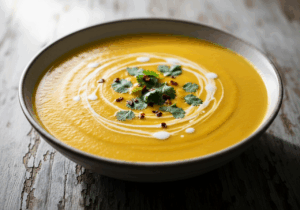
Creamy Butternut squash Coconut Soup is a luscious blend that effortlessly marries the natural sweetness of roasted butternut squash with the silky richness of coconut milk. This comforting bowl of warmth has its roots in tropical and autumnal flavors, offering a cozy, velvety texture that’s perfect for chilly evenings or anytime you crave a nurturing meal. I first fell in love with this soup during a fall food festival, where the harmonious fusion of creamy coconut and roasted squash instantly became a favourite – like a warm hug in a bowl.
Prep and Cook Time
- Preparation: 15 minutes
- Cooking: 35 minutes
- total time: 50 minutes
Yield
Serves 4 generously
Difficulty Level
Easy
Ingredients
- 1 medium butternut squash (about 2 pounds), peeled, seeded, and cubed
- 1 tablespoon olive oil
- 1 large yellow onion, diced
- 3 cloves garlic, minced
- 1 teaspoon ground ginger
- ½ teaspoon ground cumin
- ¼ teaspoon ground cinnamon
- 1 can (14 oz) full-fat coconut milk
- 3 cups vegetable broth (low sodium recommended)
- Salt and freshly ground black pepper, to taste
- Juice of ½ a lime
- Fresh cilantro or chopped chives for garnish
- Toasted pumpkin seeds (optional, for crunch)
Step by Step Guide to perfecting Your Cozy Soup
- Roast the Butternut Squash: Preheat your oven to 400°F (200°C). Toss the butternut squash cubes with half of the olive oil, a pinch of salt, and spread them out in a single layer on a baking sheet. Roast until tender and caramelized at the edges, about 25-30 minutes. Roasting deepens the sweetness and infuses your soup with rich flavor.
- Sauté Aromatics: In a large pot, heat the remaining olive oil over medium heat. Add the diced onion and sauté until soft and translucent, about 5 minutes.Stir in garlic, ground ginger, cumin, and cinnamon and cook for another 1-2 minutes, releasing their fragrant oils.
- Combine and Simmer: Add the roasted squash to the pot. Pour in the vegetable broth and bring to a gentle simmer. Cook uncovered for 10 minutes to allow the flavors to meld beautifully.
- Blend Until Silky: Remove the pot from heat.Using an immersion blender (or carefully in batches with a countertop blender), puree the soup until perfectly smooth and creamy. Return the pot to low heat.
- Stir in Coconut Milk: Slowly whisk in the coconut milk, warming the soup without boiling to preserve its silky texture. Adjust seasoning with salt, pepper, and the lime juice to balance sweetness and add brightness.
- Final taste Check: Give your soup a final taste and tweak the seasoning as needed. A little more spice or acidity can truly elevate the harmony of flavors.
Tips for elevating Flavor with Spices and Garnishes
- For a subtle heat,add a pinch of cayenne or smoked paprika during the sautéing stage.
- Garnish with fresh herbs like cilantro or chives to introduce color and an herby brightness that cuts through the creaminess.
- Crunchy toasted pumpkin seeds add a delightful texture contrast and complement the nutty squash flavor.
- A swirl of coconut cream or a few drops of toasted sesame oil on top can add luxurious depth.
- For an herbal twist, a sprinkle of finely chopped fresh basil or mint makes the soup feel fresh and vibrant.
Chef’s Notes
- Variation: Substitute the butternut squash with kabocha or sweet potato for a slightly different sweetness and texture profile.
- Make-Ahead: This soup reheats beautifully and often tastes even better the next day as the flavors have further melded. Store in an airtight container in the fridge for up to 3 days or freeze for up to 2 months.
- Texture Troubleshooting: If the soup seems too thick after blending, simply stir in additional vegetable broth until your desired consistency is reached.
Serving Suggestions
Serve your creamy butternut squash coconut soup steaming hot in rustic bowls, drizzled with a little extra coconut milk or a scattering of roasted seeds. Pair with crusty sourdough bread or grilled flatbreads for a hearty meal. A crisp green salad with a zesty citrus vinaigrette is an excellent fresh contrast alongside this velvety dish. For special occasions, consider adding a dollop of coconut yogurt or pumpkin seed pesto to create layers of flavor and texture.
| Nutrient | Per Serving |
|---|---|
| Calories | 230 kcal |
| protein | 3 g |
| Carbohydrates | 25 g |
| Fat | 13 g |

For further inspiration on veggie soups packed with punch, explore our collection of vegetable soup recipes. To deepen your understanding of the wholesome benefits and culinary versatility of coconut milk, visit Healthline’s Coconut Milk Benefits.
Q&A
Q&A: Creamy Butternut Squash Coconut Soup – A Cozy Flavor Fusion
Q1: what makes this butternut squash coconut soup uniquely creamy and flavorful?
A1: The luscious creaminess comes from the seamless blend of roasted butternut squash and rich coconut milk. The natural sweetness of the squash pairs beautifully with the subtle tropical notes of coconut, creating a silky texture and a harmonious flavor that’s both comforting and exotic.
Q2: Can I prepare this soup without roasting the butternut squash first?
A2: While you can simmer raw squash straight in the broth, roasting enhances its natural sugars through caramelization, deepening the soup’s flavor and adding a hint of nuttiness. For that extra layer of deliciousness, roasting is highly recommended.Q3: What spices best complement the coconut and butternut squash in this soup?
A3: Warming spices like ginger, turmeric, cumin, and a touch of cinnamon heighten the soup’s cozy charm. They add complexity and a gentle earthiness that balances the sweetness of the squash and the creaminess of the coconut milk.
Q4: Is this soup suitable for vegetarians and vegans?
A4: Absolutely! This soup is naturally plant-based, using vegetable broth and coconut milk, making it a perfect vegan and vegetarian comfort food option. It’s wholesome, filling, and free from any animal products.
Q5: What toppings or garnishes work well to enhance this soup?
A5: Toasted pumpkin seeds add a delightful crunch, while fresh herbs like cilantro or parsley bring a vibrant touch. A drizzle of coconut cream or a squeeze of lime juice can elevate the richness and add a luminous contrast that awakens the palate.
Q6: How can I tweak the soup to add a little heat?
A6: For a subtle kick, incorporate a pinch of cayenne pepper or fresh chopped chili. Alternatively, a splash of sriracha or a dusting of smoked paprika can add warmth without overwhelming the soup’s delicate flavors.
Q7: Can I make this soup ahead of time?
A7: Yes! This soup actually tastes better the next day as the flavors have more time to meld. Store it in an airtight container in the refrigerator for up to 3 days, and gently reheat on the stove, adding a splash of broth or coconut milk if it’s too thick.
Q8: What’s the best way to achieve the perfect silky texture?
A8: Using an immersion blender right in the pot is convenient and effective. For an ultra-smooth finish, blend in batches with a high-speed blender until velvety. Straining through a fine mesh sieve is optional but will ensure absolute silkiness.
Q9: Can I substitute the coconut milk with another type of milk?
A9: Coconut milk brings a unique tropical creaminess and subtle sweetness that can’t be exactly replicated. Though, for a different twist, creamy cashew or almond milk can work, though the flavor profile will be less rich and a bit less sweet.
Q10: What occasions is this soup best suited for?
A10: This soup is perfect for chilly evenings, welcoming guests with warmth and comfort. It’s a marvelous starter for fall or winter dinners, great for cozy weekend lunches, or a soothing bowl to enjoy anytime you crave something hearty yet light.
Final Thoughts
As the last spoonful of this creamy butternut squash coconut soup lingers, you’re left with more than just warmth-it’s a party of flavors where velvety sweetness meets tropical richness. This cozy flavor fusion not only comforts the soul but also invites your kitchen to explore the vibrant potential of simple, wholesome ingredients. Whether served as a nourishing meal on a chilly evening or as a stunning starter for guests, this soup reminds us how creativity in the kitchen can turn everyday produce into an unusual experience. So next time you crave something both soothing and adventurous, let this blend of butternut squash and coconut be your go-to remedy for cozy, culinary delight.
Effortless Instant Pot spaghetti Squash: A Quick Guide
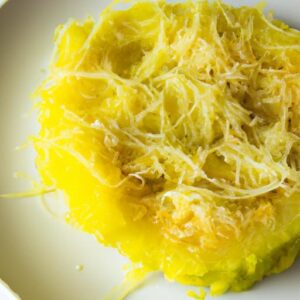
effortless Instant Pot Spaghetti Squash is a game-changer for busy home cooks craving a nutritious,low-carb alternative to pasta without sacrificing texture or flavor. This vibrant winter squash, with its naturally stringy interior, effortlessly transforms under pressure into tender, fluffy strands reminiscent of traditional spaghetti-minus the fuss of oven baking. Inspired by the desire for a swift weeknight meal, this guide ensures your Instant Pot adventure yields perfect results every time.
Prep and Cook Time
- Preparation: 5 minutes
- Cooking: 10 minutes (pressure cooking)
- Total Time: 20 minutes (including pressure release)
Yield
Serves 4 as a main or side dish
Difficulty level
Easy – beginner-pleasant Instant Pot recipe
Ingredients
- 1 medium spaghetti squash (about 3-4 pounds), rinsed
- 1 cup water (for pressure cooking)
- 2 tablespoons olive oil
- Salt and freshly ground black pepper, to taste
- Optional garnishes: fresh chopped parsley, grated Parmesan or nutritional yeast, toasted pine nuts
Instructions
- Prepare the squash: Using a sharp chef’s knife, carefully cut the spaghetti squash in half lengthwise. Scoop out the seeds and stringy pulp with a spoon.
- add water to Instant Pot: Pour 1 cup of water into the bottom of the Instant Pot insert to generate steam.
- Place the trivet: Insert the metal trivet or steaming rack inside the pot. Set the squash halves cut side up on the trivet.
- Seal and cook: Secure lid, set valve to sealing, and select “Manual” or “Pressure Cook” on high pressure for 10 minutes.
- Natural Release: When time’s up,allow the Instant Pot to release pressure naturally for 5 minutes,then carefully quick-release the remaining pressure.
- Remove and cool: Use tongs or oven mitts to lift out the squash halves.Let them cool slightly until safe to handle.
- Fluff and season: Using a fork, scrape the flesh; it will separate into spaghetti-like strands. Drizzle with olive oil, season with salt and pepper, and toss gently.
- Serve and garnish: Transfer to serving dishes and add optional garnishes like fresh parsley, grated cheese, or toasted nuts for added texture and flavor.
Tips for Success: How to Elevate Your Effortless Instant Pot Spaghetti Squash
- Choosing your squash: Opt for a medium squash around 3-4 pounds for optimal cooking time and texture. Look for firm skin with no soft spots or blemishes. A heavy feel indicates juiciness and freshness.
- Don’t skip the trivet: Keeping the squash above the water prevents sogginess and promotes even cooking.
- Timing matters: If your squash is smaller or larger than average, adjust your pressure cooking time by 1-2 minutes accordingly for tender but not mushy strands.
- Storage tips: Store leftover squash strands in an airtight container in the fridge for up to 4 days. Reheat gently in a skillet or microwave with a splash of olive oil to revive fluffiness.
- Cleanup shortcut: Soak the Instant Pot insert promptly after cooking to loosen any squash residue, making it easier to wash.
Creative Serving Suggestions to Elevate Your Meal
spaghetti squash’s delicate texture and mild flavor make it a versatile base for countless meals. For a fresh Mediterranean-inspired bowl, toss with cherry tomatoes, Kalamata olives, crumbled feta, and a lemon-oregano vinaigrette. Looking for comforting warmth? Coat your squash strands in a creamy roasted garlic and mushroom sauce. Or, embrace a zesty Mexican flair by mixing in black beans, corn, diced avocado, and a fresh cilantro-lime dressing.
Herbs and toasted nuts like pine nuts or walnuts add stunning color and crunch. Finish with a sprinkle of freshly cracked black pepper and a drizzle of quality extra virgin olive oil for a simple yet stunning presentation.
| Nutrient | Per Serving |
|---|---|
| Calories | 45 kcal |
| Protein | 1 g |
| Carbohydrates | 10 g |
| fat | 1.5 g |
| Fiber | 2 g |
Discover more Instant pot tips hear.
For more detailed food safety and vegetable selection advice, visit USDA’s official site.

Q&A
Q&A: Effortless Instant Pot Spaghetti Squash – A Quick Guide
Q1: What makes spaghetti squash an exciting alternative to traditional pasta?
A1: Spaghetti squash offers a naturally gluten-free, low-carb, and nutrient-rich twist to your meals. When cooked, its flesh separates into delicate, spaghetti-like strands, making it a fun and healthy stand-in for noodles without sacrificing that satisfying texture.
Q2: Why use an Instant Pot to cook spaghetti squash?
A2: The Instant Pot transforms spaghetti squash from a kitchen conundrum into a speedy and simple delight.It slashes cooking time dramatically compared to oven roasting and steams the squash perfectly, yielding tender strands without the need for babysitting or guesswork.
Q3: How do you prepare spaghetti squash for the Instant Pot? Do you need to peel it first?
A3: No peeling necessary! Simply slice the squash in half lengthwise or crosswise (depending on your pot size), scoop out the seeds, and place the halves cut-side up on the steaming rack. The Instant Pot does all the tenderizing magic for you.
Q4: How much water is required to steam spaghetti squash in the Instant Pot?
A4: About one cup of water is perfect-it creates enough steam to cook the squash evenly without turning your kitchen into a splash zone. The sealed environment locks in moisture, so the strands come out moist but not soggy.Q5: what’s the ideal cooking time for spaghetti squash in the Instant Pot?
A5: Generally, 7 to 10 minutes on high pressure works wonders. For smaller squash, aim for around 7 minutes; larger ones might need closer to 10. Always allow a natural release for 5 minutes afterward to keep things tender and flavorful.
Q6: How do you avoid undercooked or mushy spaghetti squash?
A6: The key is not overcooking. Stick to the recommended pressure times and use the natural pressure release to prevent rapid texture changes. Also, don’t add excessive water inside the squash itself-steam is all you need.
Q7: Can you cook the spaghetti squash whole in the Instant Pot, or must it be halved?
A7: While it’s possible to cook it whole, halving the squash speeds up cooking and ensures even heat distribution.plus, it’s easier to remove seeds and later rake out those irresistible noodle strands.
Q8: What are some quick and creative ways to serve Instant Pot spaghetti squash?
A8: Toss the squash strands with pesto and cherry tomatoes for a fresh, vibrant dish. Or mix in sautéed mushrooms, garlic, and baby spinach for an earthy, nutrient-packed meal. Spaghetti squash pairs beautifully with tomato-based sauces, creamy avocado blends, or simply a sprinkle of Parmesan and fresh herbs.
Q9: How do you store leftover cooked spaghetti squash?
A9: Let it cool wholly, then transfer to an airtight container. Stored in the fridge, it stays fresh for up to 4 days. Reheat gently in a skillet or microwave to avoid drying out those delicate strands.
Q10: Is there a way to enhance the flavor of spaghetti squash right out of the Instant Pot?
A10: Absolutely! While still warm, drizzle some olive oil or a squeeze of lemon juice over the strands, then fluff with a fork to distribute. Add a pinch of salt, pepper, and fresh herbs like basil or parsley for an instant flavor boost.
With these tips, your Instant pot spaghetti squash adventure promises both ease and delicious results-turning an often intimidating vegetable into a weeknight hero!
Insights and Conclusions
Whether you’re a kitchen novice or a seasoned chef racing against the clock, this effortless Instant Pot method transforms spaghetti squash from mystery to mealtime marvel in minutes. With its tender strands and subtle sweetness, this versatile veggie is ready to elevate your dishes without the usual fuss. So next time you crave a nutritious, low-carb alternative that’s quick to prepare, remember: your Instant Pot is the secret ingredient to spaghetti squash success-fast, simple, and oh-so-satisfying. Happy cooking!

Velvety Butternut Squash Coconut Soup is truly a celebration of creamy textures and harmonious flavors, elevating a humble squash into a soul-warming masterpiece. This recipe draws inspiration from tropical kitchens where coconut’s natural sweetness meets the earthiness of butternut squash, enhanced by just the right touch of warming spices. Every spoonful glides smoothly, thanks to culinary techniques that coax the squash into a perfectly silk-like consistency, making this soup a comforting delight for all seasons.
Prep and Cook Time
- readiness: 15 minutes
- Cooking: 40 minutes
- Total: 55 minutes
Yield
Serves 6 generous bowls of rich and creamy soup,perfect for sharing with family or guests.
Difficulty Level
Easy – Ideal for both beginner cooks and seasoned chefs seeking a quick yet impressive dish.
Ingredients
- 1 medium butternut squash (about 2 pounds), peeled, seeded, and chopped into 1-inch cubes
- 1 tablespoon coconut oil or mild olive oil
- 1 large onion, finely chopped
- 3 cloves garlic, minced
- 1 tablespoon fresh ginger, grated
- 1 teaspoon ground cumin
- 1/2 teaspoon ground cinnamon
- 1/4 teaspoon cayenne pepper (optional for a gentle heat)
- 4 cups vegetable broth, low sodium preferred
- 1 can (14 oz) full-fat coconut milk, shaken well
- Juice of 1 lime for brightness
- Salt and freshly ground black pepper, to taste
- Fresh cilantro leaves, for garnish
- Toasted coconut flakes or roasted pumpkin seeds, for garnish
Instructions
- Prepare the squash: Carefully peel and cube the butternut squash into uniform pieces to ensure even cooking.
- Sauté aromatic base: Heat the coconut oil in a large pot over medium heat. Add chopped onion and cook until translucent and soft, about 5-7 minutes. Stir regularly to avoid browning.
- Add garlic and spices: Stir in the minced garlic, grated ginger, cumin, cinnamon, and cayenne pepper. Sauté for 1-2 minutes or until fragrant, releasing an inviting aroma.
- Cook the squash: Toss in the cubed butternut squash, stirring to coat with the spices. Pour in the vegetable broth, bringing everything to a gentle boil. Reduce heat to simmer and cook uncovered until the squash is tender, about 20 minutes.
- Blend to velvety perfection: using an immersion blender directly in the pot (or a countertop blender in batches), puree the soup until luxuriously smooth and creamy.Be cautious with hot liquids.
- Enrich with coconut milk: Stir in the coconut milk and lime juice, simmering gently for another 5 minutes to marry the flavors. Adjust seasoning with salt and pepper.
- Serve with flair: Ladle the soup into warm bowls, garnishing with fresh cilantro leaves, a sprinkle of toasted coconut flakes, or crunchy roasted pumpkin seeds for contrasting textures.
Chef’s Notes: Tips for Success
- For the creamiest texture, peel the butternut squash thoroughly and cube evenly.Avoid overcooking to preserve bright flavor.
- If you prefer a thinner soup, add more vegetable broth gradually until desired consistency is reached.
- Substitute coconut milk with a homemade cashew cream for a nutty variation without coconut flavor.
- Spice levels can be adjusted by altering cayenne pepper quantity or substituting with mild smoked paprika for warmth without heat.
- Make ahead: soup stores beautifully in the fridge for up to 3 days and freezes well for up to 1 month.
The Perfect Balance of Sweetness and Spice in coconut Infusion
The magic of this soup lies in balancing the natural sweetness of squash with the subtle heat of warming spices, all mellowed by the lusciousness of creamy coconut milk. The inclusion of lime juice brightens the palate, cutting through richness with a fresh citrus zing. When preparing the soup, layering the spices early in the sauté process allows their oils to infuse the base fully, intensifying aroma and taste.
Selecting the Best Ingredients for Richness and Flavor
Choosing a smooth, ripe butternut squash is key-look for firm skins without blemishes, and a deep orange hue. Full-fat coconut milk provides optimal creaminess and depth, so avoid light versions that can make the soup watery. Fresh aromatics like garlic and ginger should smell pungent, indicating quality and flavor potency. Use homemade or high-quality vegetable broth to reinforce the natural flavors without overpowering.
Expert Tips for Garnishing and Serving Your Creamy Coconut Soup
Elevate presentation with thoughtful garnishes that add color, texture, and bursts of flavor.Crisp toasted coconut flakes bring light sweetness and crunch, while toasted pumpkin or sunflower seeds add earthy nuttiness. Fresh herbs like cilantro or Thai basil offer herbal brightness that contrasts the creamy base beautifully.Serve the soup in warmed bowls with a drizzle of coconut cream or a swirl of extra virgin olive oil for an inviting visual appeal. Accompany with crusty artisan bread or lightly spiced flatbread to round out the experience.

| Nutrient | Amount per Serving |
|---|---|
| Calories | 210 kcal |
| Protein | 3 g |
| Carbohydrates | 20 g |
| Fat | 14 g |
Hungry for more vibrant vegan soups? Check out our Creamy Roasted Carrot Soup for another luscious, plant-based delight especially crafted for chilly days.
For detailed nutritional insight on butternut squash,visit NutritionValue.org, a trusted high-authority source for accurate food data.
Q&A
Q&A: Velvety Butternut Squash Coconut Soup – A Creamy Delight
Q1: What makes this butternut squash coconut soup so velvety and creamy?
A1: The secret to the soup’s luscious texture lies in the silky blend of roasted butternut squash and creamy coconut milk. When pureed together, these ingredients create a rich, smooth base that feels indulgent on the palate without needing any heavy cream or dairy.
Q2: Is this soup suitable for those following a dairy-free or vegan diet?
A2: Absolutely! The use of coconut milk instead of traditional cream makes this soup perfectly dairy-free and vegan-friendly. It’s a comforting option for anyone looking to enjoy a creamy soup without animal products.
Q3: Can I prepare this soup ahead of time?
A3: Yes,this soup works wonderfully as a make-ahead dish. You can roast the butternut squash in advance and refrigerate it, then blend everything together just before serving. It also reheats beautifully, making it ideal for busy weeknights or entertaining.
Q4: What spices or herbs complement the flavors in this soup?
A4: Warming spices like ginger, cumin, and a hint of turmeric accentuate the natural sweetness of the butternut squash and add depth. Fresh herbs such as cilantro or a sprinkle of toasted coriander seeds on top can brighten the bowl with subtle aromatic notes.
Q5: How can I add some texture or crunch to this creamy soup?
A5: Adding toasted pumpkin seeds, crispy coconut flakes, or a drizzle of chili oil can introduce delightful crunch and contrast. A sprinkle of toasted nuts or croutons also pairs beautifully with the soup’s smooth consistency.
Q6: Is it necessary to roast the butternut squash,or can I cook it another way?
A6: Roasting brings out the natural caramelized sweetness and intensifies flavor,making a notable difference in the final taste. However, if short on time, you can boil or steam the squash, though the soup may be lighter in flavor.
Q7: Can this recipe be adapted for a spicier version?
A7: Definitely! Adding a pinch of chili flakes, diced fresh chili, or even a splash of hot sauce can give the soup an exciting kick without overpowering its creamy essence.
Q8: What are some suggested garnishes to elevate the presentation of this soup?
A8: A swirl of coconut cream or a drizzle of herb-infused oil can add elegance. fresh chopped herbs like parsley or mint, a few toasted seeds, or a sprinkle of smoked paprika create vibrant color and contrast to the pale orange soup.
Q9: How nutritious is this butternut squash coconut soup?
A9: This soup is a nourishing powerhouse! Butternut squash is rich in vitamins A and C, antioxidants, and fiber, while coconut milk provides heart-healthy fats. Together, they create a comforting, wholesome dish that’s as good for your body as it is indeed for your taste buds.
Q10: Can I freeze leftovers of this soup?
A10: Yes! Freeze in airtight containers, leaving some space for expansion. When thawing, reheat gently and stir well, adding a bit of water or broth if needed to restore the creamy consistency. This soup withstands freezing well, making it a convenient option for future meals.
Concluding Remarks
as the final spoonful of this velvety butternut squash coconut soup melts on your palate, you’re left with more than just a comforting warmth-it’s an experience of harmonious flavors and textures that celebrate the creamy richness of coconut and the natural sweetness of squash. Whether served as a cozy starter on a chilly evening or a nourishing bowl to brighten your midday, this soup invites you to savor simplicity elevated to silky perfection. So next time you crave a comforting delight that’s both wholesome and indulgent, remember this recipe-a creamy embrace in every bite, waiting to transform your mealtime into a moment of pure culinary bliss.
