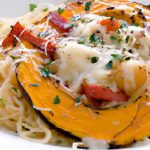

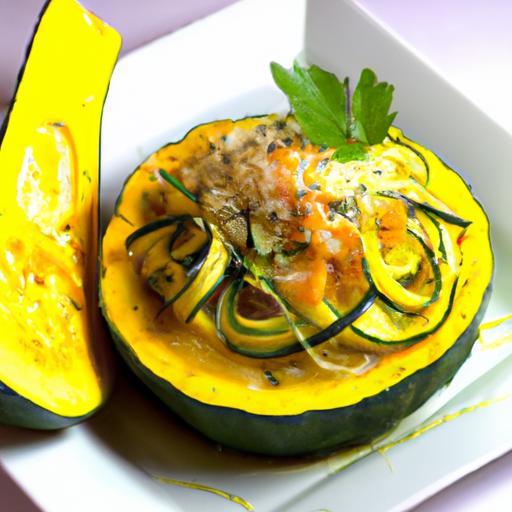
When it comes to comforting pasta dishes, nothing quiet satisfies like a plateful of vibrant vegetables mingling wiht tender noodles in a light, flavorful sauce. But what if you could enjoy all the freshness and zest of a classic primavera while giving your meal a lighter, nutrient-packed boost? Enter spaghetti squash primavera-a clever and colorful twist on traditional pasta that swaps heavy carbs for nature’s own edible strands. In this article, we’ll explore how this versatile vegetable transforms a beloved recipe into a healthful, visually stunning dish that’s as delightful to the palate as it is indeed to the eye. Get ready to discover a fresh way to savor primavera’s garden-fresh goodness, one golden strand at a time.
Spaghetti Squash Primavera: A Fresh Twist on classic Pasta
Spaghetti Squash Primavera offers an irresistible way to savor the vibrant crunch and garden-fresh allure of primavera vegetables while embracing a nutritious, grain-free pasta substitute. This dish reimagines traditional Italian comfort food by swapping out conventional noodles for tender ribbons of roasted spaghetti squash, creating a light yet satisfying meal bursting with color and flavor. inspired by the lively spirit of spring markets and sun-soaked afternoons,it’s the perfect way to bring wholesome freshness to your table without sacrificing taste or texture.
Prep and Cook Time
- Preparation: 15 minutes
- Cooking: 40 minutes
- Total Time: 55 minutes
Yield
Serves 4 generous portions
Difficulty Level
Easy
Ingredients
- 1 medium spaghetti squash (about 3 pounds), halved lengthwise and seeded
- 2 tablespoons extra-virgin olive oil, divided
- 1 small red bell pepper, thinly sliced
- 1 medium zucchini, julienned
- 1 cup cherry tomatoes, halved
- 1 cup asparagus tips, trimmed and cut into 1-inch pieces
- 3 cloves garlic, minced
- 1/2 cup frozen peas, thawed
- 1 teaspoon fresh lemon zest
- 2 tablespoons freshly squeezed lemon juice
- 1/4 cup fresh basil leaves, chiffonade
- 1/4 cup grated Parmesan cheese (optional for garnish)
- Salt and freshly ground black pepper, to taste
- Red pepper flakes, optional for a subtle kick
Instructions
- Roast the Spaghetti Squash: Preheat your oven to 400°F (200°C). Drizzle 1 tablespoon of olive oil over the cut sides of the squash and lightly season with salt. Place squash face down on a parchment-lined baking sheet and roast for 35-40 minutes, until tender and easily pierced with a fork. Allow to cool slightly before using a fork to scrape out the strands into a large bowl.
- Sauté the Vegetables: Heat the remaining 1 tablespoon of olive oil in a large skillet over medium heat. Add the minced garlic and cook until fragrant, about 30 seconds. Toss in the red bell pepper, zucchini, and asparagus tips. Sauté until vegetables are tender-crisp, about 5-7 minutes, stirring occasionally to ensure even cooking.
- Add Cherry Tomatoes and Peas: Stir in the cherry tomatoes and peas, cooking just until the tomatoes begin to soften, about 2 minutes. Season with salt, pepper, and red pepper flakes if using, to brighten the flavors.
- Combine and Flavor: Fold the roasted spaghetti squash strands into the sautéed vegetables. Add lemon zest and juice, gently tossing to coat everything evenly.Taste and adjust seasoning as needed.
- Finish with Fresh Herbs: Remove from heat and stir in fresh basil leaves, allowing their delicate aroma to infuse the dish.
- Plate and Garnish: Divide the Primavera over warm plates and sprinkle with grated Parmesan cheese for a subtle nutty finish, if desired.Serve immediately.
Tips for Success
- Choose a spaghetti squash that feels heavy for its size with firm, unblemished skin for the best texture and flavor.
- Roasting the squash cut-side down helps steam the flesh, making it easier to shred without drying out.
- Feel free to swap in other seasonal vegetables like snap peas, baby spinach, or even thinly sliced fennel for added depth.
- For a vegan option, omit the Parmesan cheese and boost flavor with nutritional yeast or toasted pine nuts.
- Prepare the roasted squash a day ahead and store covered in the refrigerator to save time on busy nights.
- To avoid sogginess, sauté vegetables separately and only combine with squash just before serving.
Serving Suggestions
This light and refreshing dish shines with simple garnishes that enhance its bright flavors.Serve alongside a crisp mixed greens salad dressed with a lemon vinaigrette for an added burst of acidity. Sprinkle chopped toasted almonds or walnuts on top for a delightful crunch contrast to the tender squash strands. For a heartier meal, pair with oven-roasted chicken breast or grilled fish seasoned lightly with herbs and olive oil-a perfect balance of protein and fresh vegetables.A wedge of lemon on the side invites each guest to brighten their plate further.
Nutrition Information
| Nutrient | Amount per Serving |
|---|---|
| Calories | 210 kcal |
| protein | 6 g |
| Carbohydrates | 28 g |
| Fat | 8 g |
Explore more wholesome pasta alternatives in our comprehensive guide to pasta substitutes,or learn about the unbelievable nutritional benefits of spaghetti squash from this Healthline article.
Q&A
Q&A: Spaghetti Squash Primavera – A Fresh Twist on Classic Pasta
Q1: what exactly is spaghetti squash, and why use it in a primavera dish?
A: Spaghetti squash is a vibrant, golden-hued winter squash known for its unique flesh that, once cooked, separates into long, noodle-like strands resembling spaghetti. Using it in a primavera dish adds a delightful textural twist-light, slightly crunchy, and naturally gluten-free-offering a fresh alternative to traditional pasta while soaking up the bright flavors of spring veggies.
Q2: How do you prepare spaghetti squash so it mimics the texture of pasta?
A: The magic lies in roasting or microwaving the squash whole until tender. Once cooked, you cut it in half, scoop out the seeds, and use a fork to gently scrape the flesh into thin strands. These “noodles” have a satisfying bite and provide a perfect canvas for vibrant primavera sauces and seasonal veggies.
Q3: What vegetables are best for a primavera-style sauce?
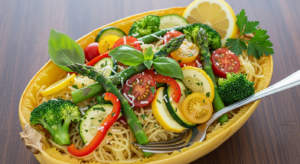
A: Primavera celebrates fresh, colorful veggies that embody the spirit of spring and early summer. Think crisp sugar snap peas, sun-kissed cherry tomatoes, tender asparagus tips, sweet bell peppers, and fresh basil or parsley. Each contributes a pop of color, texture, and brightness that makes the dish truly come alive.
Q4: how do you infuse the dish with flavor without traditional heavy sauces?
A: Light, fragrant olive oil serves as the perfect partner for sautéing vegetables, often enhanced with garlic, a squeeze of fresh lemon juice, and a pinch of red pepper flakes for subtle warmth. Finishing touches like shaved Parmesan (or a vegan alternative) and fresh herbs add depth without drowning the vibrant vegetable flavors.
Q5: Can spaghetti squash primavera be made ahead, or is it best served fresh?
A: While it’s best enjoyed fresh to maintain the squash’s delicate texture and the vegetables’ crispness, you can prepare the squash and veggies separately ahead of time. Gently reheat the strands and toss with warmed primavera veggies just before serving to keep everything bright and fresh.
Q6: Is spaghetti squash primavera suitable for all diets?
A: Absolutely! It’s naturally gluten-free, low in carbs, and packed with vitamins and fiber. It’s also easily adaptable for vegan or vegetarian diets by skipping cheese or using plant-based alternatives. This makes it a versatile dish that nourishes both body and soul while catering to varied dietary needs.
Q7: What makes this dish a ‘fresh twist’ on the classic pasta primavera?
A: The fresh twist comes from swapping conventional wheat pasta for spaghetti squash,which transforms the dish into a lighter,more nutrient-dense meal.It revitalizes the beloved primavera concept by marrying the old-world charm of seasonal vegetables with an innovative, healthful base-breathing new life into a timeless classic.
Q8: Any tips for elevating the presentation of spaghetti squash primavera?
A: Serve it in the squash shells for a charming, rustic touch or plate it with a sprinkle of toasted pine nuts and microgreens for added crunch and visual appeal. A drizzle of high-quality extra virgin olive oil and a few fresh herb leaves scattered on top bring a finishing flourish that’s as pleasing to the eye as it is indeed to the palate.
To Conclude
As the final strands of tender spaghetti squash twirl alongside vibrant vegetables in this Primavera-inspired dish, it’s clear that tradition doesn’t have to be confined to noodles and sauce. This fresh twist on classic pasta not only tantalizes your taste buds but also invites a lighter, nutrient-packed option to your culinary repertoire. whether you’re seeking a health-conscious meal or simply craving a burst of garden-fresh flavor, Spaghetti Squash Primavera proves that innovation and tradition can beautifully coexist on one plate. So next time you’re in the kitchen, let this colorful medley inspire you to reimagine the familiar and savor the extraordinary.