
Step into a world where every strand of pasta tells a story, where the art of Italian cooking is more than just a recipe-it’s a cherished tradition passed down through generations. “Savor Tradition: Authentic Italian Pasta Recipes Revealed” invites you on a delectable journey through Italy’s rich culinary heritage. From the rolling hills of tuscany to the sun-kissed coasts of Sicily, discover time-honored recipes crafted with simple, heartfelt ingredients that capture the essence of Italian culture. Whether you’re a seasoned chef or a curious home cook, prepare to uncover the secrets behind Italy’s beloved pasta dishes-authentic, flavorful, and bursting with history in every bite.
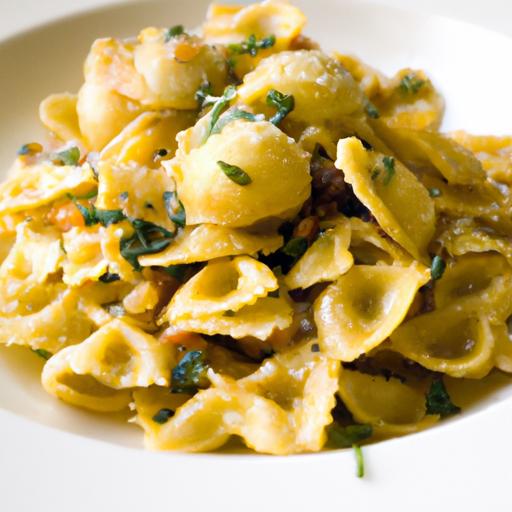
Savor Tradition: Authentic Italian Pasta Recipes revealed invites you on a journey to master the art of pasta from its very soul-crafting perfect dough and pairing it thoughtfully with timeless sauces. Italian pasta is less about rigidity and more about heartfelt technique passed down for generations. The key is understanding how each floury ribbon or tube shape complements the unique texture of a sauce, reflecting the diverse heritage of Italy’s regions. From silky Tagliatelle in Emilia-Romagna to rustic Orecchiette from Puglia, this guide brings the authentic flavors of Italy directly to your kitchen.
Prep and Cook Time
- Preparation: 20 minutes
- Resting Dough: 30 minutes
- Cooking: 5-7 minutes (depending on pasta shape)
- Total: approximately 1 hour
Yield
Serves 4 hearty portions
Difficulty Level
Medium – Ideal for those eager to deepen their pasta-making craft with some patience and technique
Ingredients
- 2 cups all-purpose flour, sifted
- 1 cup “00” flour (or substitute fine semolina flour)
- 3 large fresh eggs, at room temperature
- 1/2 teaspoon fine sea salt
- 1 tablespoon extra virgin olive oil (optional, adds elasticity)
- Semolina flour for dusting and rolling (as needed)
Instructions
- Combine the flours and salt. On a clean,flat surface,shape the mixture into a mound and create a well in the center. This customary method helps contain the eggs, making your dough silky and uniform.
- crack the eggs into the well. Add the olive oil if using, then gently whisk eggs with a fork, gradually incorporating flour from the edges.
- Knead the dough by hand. Onc the mixture begins to come together, use your hands to knead for 10 minutes, applying firm but gentle pressure. The dough should become smooth and elastic, not sticky.If to dry, moisten fingers; if too wet, sprinkle additional flour.
- Rest the dough. Wrap it tightly in plastic wrap and let it rest at room temperature for at least 30 minutes. This relaxes the gluten and makes rolling easier.
- Roll out and shape your pasta. Using a rolling pin or pasta machine, roll dough thinly on a floured surface. For flat shapes like Tagliatelle, cut into ribbons about 1/4-inch wide. For shapes like Orecchiette, use your thumb to create slight cups.
- Boil salted water. Cook fresh pasta in a large pot of boiling salted water, approximately 1 tablespoon salt per 4 quarts water. Fresh pasta cooks quickly, usually in 2-4 minutes; thicker shapes may take 5-7.
- drain and toss. Reserve some pasta water before draining to adjust sauce consistency as needed for silky texture.
Timeless Sauces and Pairings
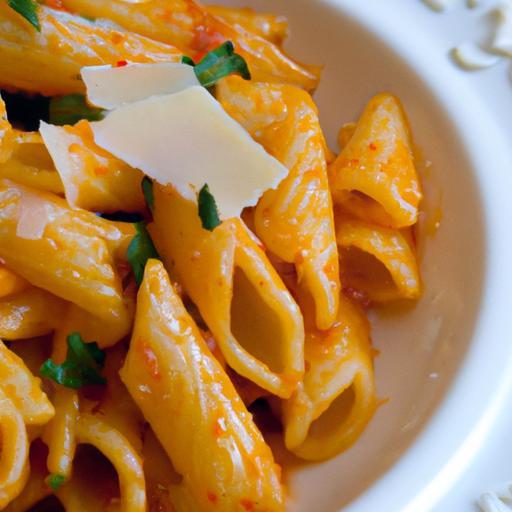
Regional wisdom tells us each pasta shape shines brightest when married to complementary ingredients. Consider rich ragùs with broad Pappardelle, or light, herbaceous pesto with tender Trofie. southern Italy favors tomato-based sauces with heartier, tubular pasta like penne or Rigatoni that trap every drop of flavor. Simultaneously occurring,delicate Butter and Sage drizzle pairs elegantly with thin strands like Capellini. The secret lies in matching the sauce’s weight and texture to the pasta’s nooks and textures-allowing each bite to sing in perfect harmony.
Tips for Success
- Flour varieties matter: The “00” flour is key for silky elasticity; semolina adds a slightly gritty bite perfect for rustic shapes.
- Don’t rush the resting stage: A well-rested dough is more pliable and less likely to tear during shaping.
- Keep surfaces and hands lightly floured: Prevents sticking without drying out the dough.
- Reserve pasta water: Its starchy richness perfects sauce texture and the final coating on pasta.
- Adapt shapes to sauces: Hearty, textured sauces like meat or vegetable ragù cling effortlessly to ridged or tubular pastas.
- Storage: Fresh pasta can be refrigerated for up to 2 days or frozen on a tray before bagging for longer preservation.
Serving Suggestions
Plate your creations simply to honour the authentic flavors-fresh pasta dressed with a vibrant tomato-basil sauce, sprinkled with freshly grated Parmigiano-Reggiano or creamy Pecorino Romano. Garnish with a drizzle of high-quality extra virgin olive oil and a few fresh basil leaves or finely chopped flat-leaf parsley.Serve with warm crusty bread and a light green salad for a balanced meal.

| Nutrient | Per Serving |
|---|---|
| calories | 320 kcal |
| protein | 11 g |
| Carbohydrates | 60 g |
| Fat | 3 g |
For deeper exploration on pairing classic pasta with authentic Italian sauces, explore our extensive sauces guide.To understand Italy’s culinary heritage further, check out Accademia Italiana della Cucina, a remarkable authority on preserving Italian gastronomic traditions.
Q&A
Q&A: Savor Tradition – Authentic Italian Pasta Recipes Revealed
Q1: What makes italian pasta recipes truly authentic?
A: Authentic Italian pasta is rooted in simplicity, quality ingredients, and time-honored techniques passed down through generations. It’s about honoring regional traditions, using fresh pasta when possible, and pairing it with sauces that complement rather than overpower.The magic lies in balancing textures and flavors with respect to the ingredients’ natural essence.
Q2: Are all Italian pastas made with egg?
A: Not necessarily! While many northern Italian pastas, like tagliatelle and pappardelle, feature egg for richness and elasticity, southern varieties, especially those from regions like Campania and Sicily, frequently enough use just durum wheat semolina and water. this distinction influences texture and cooking methods, reflecting regional agricultural heritage.
Q3: How can I replicate the perfect pasta texture at home?
A: Achieving that coveted “al dente” bite involves cooking pasta in abundant, well-salted boiling water and timing it carefully. Always taste a minute before the package instructions end. The pasta should be tender yet firm to the tooth. For fresh pasta, the cooking time is shorter, usually under two minutes. Remember, the pasta continues to soften slightly once tossed with sauce.
Q4: What are some authentic Italian sauces that highlight pasta without overpowering it?
A: Classic sauces like Pomodoro (fresh tomato), Pesto alla Genovese (basil, pine nuts, garlic, and olive oil), and Aglio e Olio (garlic-infused olive oil) showcase simplicity and balance. Another treasured classic is Cacio e Pepe, a creamy harmony of Pecorino romano cheese and black pepper, representing Roman culinary wisdom.
Q5: is it true that certain pasta shapes pair better with specific sauces?
A: Absolutely! Italy perfects the marriage between pasta shape and sauce texture. For instance, ridged pastas like rigatoni hold chunky sauces well, while delicate strands like spaghetti or linguine embrace lighter, oil-based dressings. Tubular pastas trap rich fillings, and flat ribbons are ideal for creamy or meat-based ragùs. The shape influences how sauce clings and the overall eating experience.
Q6: Can I make authentic Italian pasta dishes without access to specialty ingredients?
A: Yes! Italy teaches us that authenticity is about intention and respect for ingredients, not exclusivity. High-quality olive oil, ripe tomatoes, fresh herbs, and freshly grated cheese can elevate simple dishes. Even a humble bowl of pasta with garlic, chili flakes, and olive oil (aglio e Olio) is a journey to Italian tradition, made with love and patience.Q7: how meaningful is the pasta-making process to the final dish?
A: Extremely important! Handmade pasta offers a unique texture and flavor that factory-made pasta often lacks. The tactile process-kneading, rolling, cutting-infuses the dough with air and character. It also allows chefs to customize thickness and shape,enhancing the way each bite carries the sauce and blends textures.
Q8: What role do fresh herbs and cheeses play in traditional pasta recipes?
A: Fresh herbs like basil, parsley, and sage add aromatic layers that brighten sauces without overshadowing primary flavors. Simultaneously occurring, regional cheeses such as Parmigiano Reggiano and Pecorino Romano lend savory depth and complexity.These elements celebrate local terroir and bring subtle bursts of flavor that complete authentic Italian pasta dishes.
Q9: can traditional pasta dishes be adapted for special diets without losing authenticity?
A: Creativity and respect go hand in hand.Gluten-free or whole grain pastas can work beautifully if paired thoughtfully with classic sauces. The essence of authenticity lies more in ingredient quality, technique, and cultural reverence rather than rigid formulas.By honoring these values, adaptations can still capture the soul of Italian pasta.
Q10: Why is pasta such a beloved symbol of Italian culture?
A: Pasta embodies Italy’s history, family values, and love for mindful eating. It’s affordable, versatile, and endlessly expressive-qualities that invite connection around the table. Every region’s unique take tells a story of land, climate, and heritage, making pasta not just food, but a heartfelt tradition passed from generation to generation.
Key Takeaways
As the rich aromas of simmering sauces and freshly boiled pasta linger in your kitchen, you carry forward a legacy that spans centuries and regions-each recipe a story, each bite a celebration of Italian heritage. By embracing these authentic pasta recipes, you’re not just preparing a meal; you’re savoring tradition, connecting with generations past, and keeping alive the soul of Italy in every twirl and forkful. So, don your apron, gather your ingredients, and let the timeless flavors of Italy transform your table into a heartfelt tribute to a culinary art perfected through passion and time. Buon appetito!