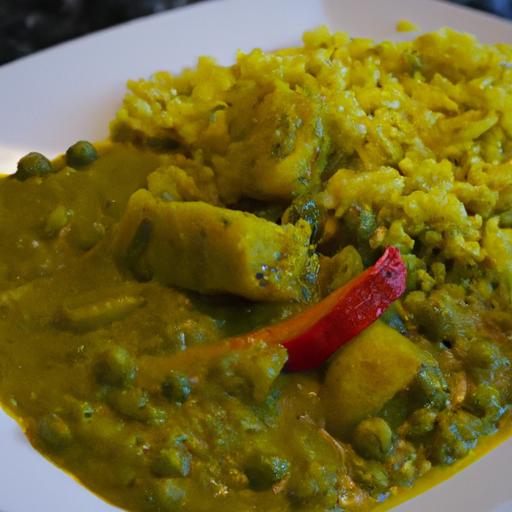

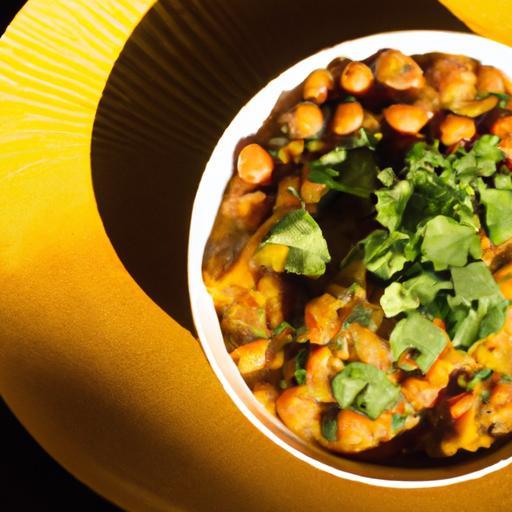
Step into a world where vibrant aromas dance with bold, tantalizing flavors-welcome to the art of vegan curry creations. “Savor the Spice” invites you on a culinary journey that celebrates the rich tapestry of spices, fresh ingredients, and plant-based goodness. From the smoky warmth of turmeric to the fiery kick of chili, vegan curries are a harmonious blend of taste and tradition, reinvented for the modern palate. Whether you’re a seasoned cook or a curious newcomer,this flavorful guide will spark your creativity,unlocking recipes and techniques that transform humble vegetables and legumes into unforgettable feasts. Prepare to awaken your senses and discover how simple ingredients can deliver complex, mouthwatering magic in every bite.

Savor the Spice by expertly combining spices and fresh, vibrant plant-based ingredients that unlock the true soul of vegan curry. This journey into the heart of flavor draws from centuries of tradition, layered with modern culinary creativity, to help you craft a dish that is both comforting and exciting. Imagine the warm aroma of toasted spices filling your kitchen as you gently simmer tender vegetables in a luscious, fragrant sauce that sings with each bite.
Prep and Cook Time
- Prep Time: 20 minutes
- Cook Time: 35 minutes
- Total Time: 55 minutes
Yield
Serves 4 hearty portions
Difficulty Level
Medium – Perfect for those wanting to elevate their vegan curry game with deeper layers of flavor and texture
Ingredients
- 2 tbsp coconut oil
- 1 large onion, finely diced
- 4 cloves garlic, minced
- 1-inch piece fresh ginger, grated
- 2 tsp ground cumin
- 2 tsp ground coriander
- 1 tsp turmeric powder
- 1 tsp smoked paprika
- 1/2 tsp ground cinnamon
- 1/4 tsp cayenne pepper (adjust to taste)
- 1 tbsp garam masala
- 1 can (14 oz) crushed tomatoes
- 1 can (14 oz) coconut milk
- 1 medium sweet potato, peeled and diced
- 1 cup cauliflower florets
- 1 cup cooked chickpeas (or 1 can, drained and rinsed)
- Fresh cilantro, chopped, for garnish
- Salt and freshly ground black pepper, to taste
- 1 tbsp fresh lemon juice
Instructions
- Heat the coconut oil in a large skillet over medium heat. Add the diced onion and sauté until translucent and slightly golden, about 7 minutes.Stir occasionally to ensure even cooking.
- Add the garlic and ginger and sauté for 1-2 minutes until fragrant, taking care not to burn them.
- Sprinkle in the cumin, coriander, turmeric, smoked paprika, cinnamon, and cayenne pepper. Toast the spices gently, stirring continuously for 1 minute to release their essential oils and deepen the aroma.
- Pour in the crushed tomatoes,stir well and let the mixture simmer for 5 minutes to thicken slightly and meld the flavors.
- Add the coconut milk, sweet potato, cauliflower, and chickpeas. stir to combine everything evenly.
- Reduce heat to low, cover, and simmer the curry for about 25 minutes or until the sweet potato and cauliflower are tender but not mushy. Stir occasionally to prevent sticking, adding a splash of water if needed.
- Stir in the garam masala,salt,pepper,and lemon juice to brighten the flavors. Taste and adjust seasoning as needed.
- Remove from heat and let rest for 5 minutes before serving to allow flavors to fully develop.
chef’s Notes
- Spice Customization: Feel free to tailor the spice blend to your preference. Add fenugreek or mustard seeds at the start for extra depth, or swap smoked paprika for regular paprika for a milder profile.
- Texture Tip: For an even creamier finish, mash a small portion of the sweet potatoes into the sauce before adding garam masala.
- Ingredient Swaps: Substitute sweet potato and cauliflower with butternut squash and green beans to vary your vegetable options seasonally.
- Make-Ahead: This curry tastes even better the next day when flavors mingle fully-store in an airtight container in the fridge up to 3 days or freeze for up to 1 month.
Serving Suggestions
Present your vegan curry with a bouquet of contrasting textures and colors for visual and taste harmony. Serve over fluffy basmati rice or alongside warm whole wheat naan. Garnish with fresh cilantro,a scattering of toasted cashews,and a wedge of lime for an added citrus zing. A side of lightly pickled red onions or crunchy cucumber salad complements the rich curry beautifully.

Nutrition Facts
| per Serving | Calories | Protein | Carbs | Fat |
|---|---|---|---|---|
| Vegan Curry | 320 | 12g | 45g | 10g |
Explore More
discover other plant-forward recipes in our Plant-Based Dinners collection for wholesome meals full of texture and flavor. For an in-depth understanding of spice origins and benefits, visit Encyclopaedia britannica.
Q&A
Savor the Spice: A Flavorful Guide to Vegan curry Creations – Q&A
Q1: What makes curry such a versatile dish for vegan cooking?
A1: Curry is a party of bold, aromatic spices and fresh ingredients, which naturally lends itself to plant-based adaptations. The layers of flavors created by cumin,coriander,turmeric,and more can transform simple vegetables,legumes,and tofu into a comforting,soulful dish. Plus, its sauces range from creamy coconut bases to tangy tomato blends, offering endless possibilities without relying on animal products.
Q2: how can I build a flavorful vegan curry from scratch if I’m new to curry spices?
A2: Start with a simple spice blend: ground cumin,coriander,turmeric,and a pinch of chili powder.Toast these spices lightly in oil or water to release their aromas before adding your base ingredients. Layering in fresh garlic, ginger, and onions sets a vibrant foundation. From there, experiment with adding coconut milk for creaminess or lemon juice for brightness. Remember, balance is key-spices should complement, not overpower.
Q3: What are some hearty vegan protein options to include in curry?
A3: Lentils, chickpeas, and black beans are fantastic proteins that soak up curry spices beautifully. Tofu and tempeh also absorb flavors well and provide a satisfying texture. For something a bit different, cooked seitan or jackfruit add unique chewy or meaty textures to your curry dishes.
Q4: Can curry be made without coconut milk yet remain creamy and rich?
A4: Absolutely! Cashew cream made by blending soaked cashews with water creates a luscious, velvety base great for curries.Alternatively, pureed roasted vegetables such as sweet potatoes or butternut squash add natural sweetness and creaminess. Coconut-free coconut yogurt or store-bought plant-based creams are also clever substitutes for silky curry textures.
Q5: How do I balance heat and flavor for someone who prefers mild curry?
A5: toning down the chili or chili powder is the simplest way to reduce heat, while still keeping flavor intact. Incorporate sweeter notes like a dash of maple syrup or diced mango to mellow the spice. Also, adding tangy elements (tomatoes or tamarind paste) and creamy bases can help soothe the palate without sacrificing depth.
Q6: What vegetables work best in vegan curries?
A6: Root vegetables like potatoes, carrots, and turnips hold up well in slow-cooked curries, soaking in flavor without becoming mushy. Green beans, spinach, cauliflower, and eggplant bring fresh textures and vibrant color. Seasonal squash or sweet peas add natural sweetness, enhancing the overall balance of your curry.
Q7: How do I store and reheat vegan curry to keep it tasting fresh?
A7: Curries frequently enough taste better the next day as flavors meld. Store in an airtight container in the fridge for up to 4 days. Reheat gently on the stove or microwave, adding a splash of water or plant milk to loosen the sauce if needed. Freezing portions is also a great option-thaw overnight and reheat slowly to revive all those complex spices.Q8: What are some creative garnishes that elevate vegan curry?
A8: Fresh herbs like cilantro, mint, or Thai basil add a burst of brightness and contrast. A squeeze of lime or lemon juice just before serving brightens flavors beautifully. Toasted nuts or seeds-cashews, pumpkin seeds, or sesame-introduce crunch and richness. For a hint of heat, sprinkle crushed red pepper flakes or sliced fresh chili.
Q9: Can I combine different cultural influences in my vegan curry?
A9: Definitely! Curry is a global canvas-you might layer Indian spices with Southeast Asian herbs like kaffir lime and lemongrass or blend North African ras el hanout with coconut milk and chickpeas. Mixing styles sparks creativity and invites exciting new flavor profiles to your kitchen.
Q10: What is the best way to serve vegan curry for a complete, satisfying meal?
A10: Pair curry with fluffy basmati rice or warm, toasted flatbreads such as naan or roti (vegan versions widely available or easy to make at home). A crisp side salad or pickled vegetables offer a refreshing counterpoint. For extra protein, serve with a cooling cucumber raita made from plant-based yogurt and fresh herbs.
Embrace the spice and savor every spoonful-vegan curry offers endless delicious adventures waiting to be crafted!
Key Takeaways
As the final notes of your homemade vegan curry linger on the palate, remember that this vibrant cuisine is more than just a meal-it’s an invitation to explore a world of spices, textures, and cultural stories simmering in every pot. Whether you prefer a mild coconut-infused stew or a fiery, tangy masala, the art of crafting vegan curry is a delicious journey that welcomes endless creativity. So gather your ingredients,experiment with bold combinations,and let each flavorful bite inspire your next culinary adventure. After all, in the realm of vegan curry, the spice is not just in the food-it’s in the experiance.