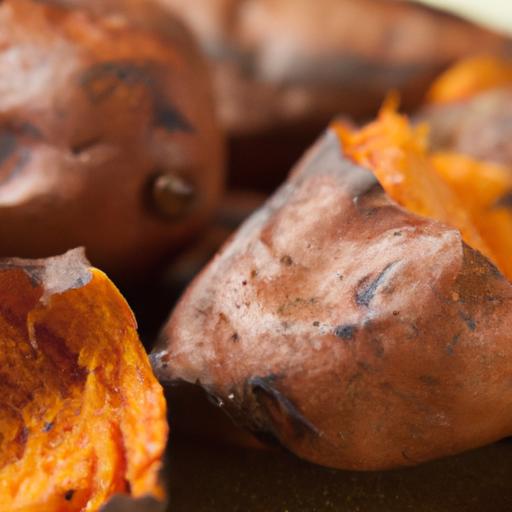

There’s somthing undeniably magical about a perfectly roasted sweet potato. Beneath its crisp, caramelized skin lies a tender, velvety interior brimming with natural sweetness and earthy depth-a harmony of flavors that transforms a humble root into a golden treasure. In “Golden Goodness: The Art of Perfectly Roasted Sweet Potatoes,” we’ll explore the secrets behind achieving that flawless balance of crispy edges and melt-in-your-mouth softness. From selecting the right tubers to mastering roasting techniques and unlocking flavour-enhancing tips, this guide celebrates the sweet potato’s versatile charm and teaches you how to elevate it from simple side dish to star attraction on your plate. Get ready to discover how a little heat can bring out the very best of this vibrant vegetable, turning everyday cooking into a culinary celebration.
Golden Goodness begins long before the sweet potatoes hit your oven tray; it lies in the thoughtful selection of varieties that roast to tender perfection with that irresistible golden crust. Choosing the right sweet potato is the foundation for an unforgettable dish-one where natural sugars caramelize beautifully, flavors deepen, and textures strike the ideal balance of crisp and creamy.
Choosing the Ideal Sweet Potato Varieties for Roasting
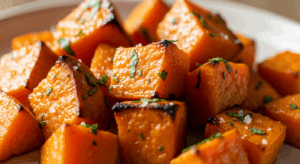
When embarking on your journey to Golden Goodness, the variety of sweet potato you select matters immensely. Garnet and Jewel are classic favorites-both have vibrant orange flesh and a natural sweetness that intensifies under heat. Their slightly moist texture helps achieve that tender interior.For those who prefer a denser bite, Hannah sweet potatoes with their pale, creamy flesh offer a subtler sweetness and firm texture that crisps delightfully.
Look for sweet potatoes that are firm with smooth skins and minimal blemishes. Smaller to medium-sized tubers roast evenly and faster while large ones may require longer baking to cook through without drying out.
Mastering the Art of Seasoning Sweet Potatoes for Maximum Flavor
The magic of Golden Goodness extends to seasoning – allowing the root’s natural sugars to shine while adding layers of complementary notes. A simple blend of extra virgin olive oil,sea salt,and freshly ground black pepper will awaken their natural sweetness. For a warm, cozy twist, sprinkle ground cinnamon or smoked paprika along with a dash of cumin. Boost savory depth by adding minced garlic or fresh rosemary just before roasting.
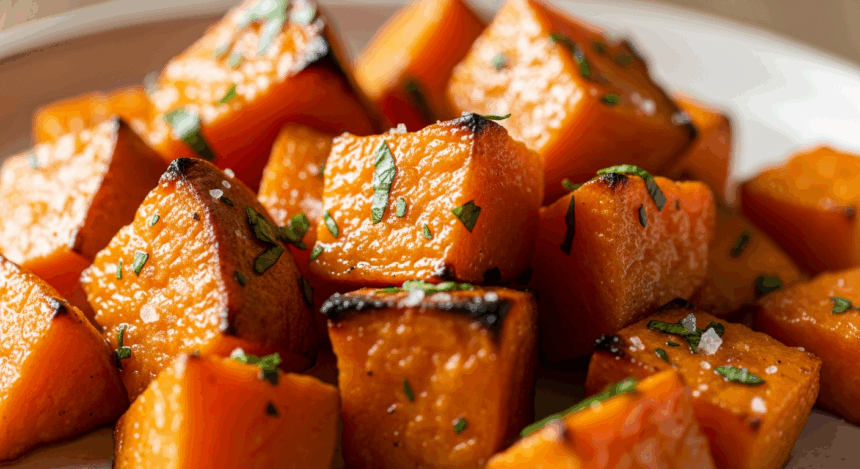
Lightly tossing diced sweet potatoes with oil and spices ensures each bite carries even flavor and achieves a golden, caramelized edge.
Techniques to Achieve the Perfect Crispy Exterior and Tender Interior
Achieving Golden Goodness means mastering the contrast between the crisp, caramelized exterior and the silky soft interior. Start by cutting your sweet potatoes into uniform cubes or wedges-about 1 inch thick-to ensure even cooking. A high roasting temperature, ideally around 425°F (220°C), encourages caramelization while keeping the inside moist and creamy.
Another key technique: spread your sweet potatoes in a single layer on a parchment-lined baking sheet without crowding. Overcrowding traps steam,which prevents crispiness. Flip the pieces halfway through roasting for even browning,and for extra crisp,finish with a blast under the broiler for 1-2 minutes,watching carefully to avoid burning.
Tips for roasting sweet Potatoes to Enhance Their Natural Sweetness
To coax out the fullest flavor and sweetness, roast your sweet potatoes uncovered. The dry heat allows surface sugars to caramelize,creating that signature golden crust synonymous with Golden Goodness. For an extra layer of depth, consider tossing the potatoes in a light drizzle of maple syrup or honey mixed with a pinch of salt just before the last 10 minutes of roasting-this adds a glossy finish and a subtle honeyed note without overpowering the root’s natural flavor.
Don’t rush the process; roasting for 30-40 minutes, turning occasionally, is key to developing that lush texture and sweetness we crave.
Prep and Cook Time
- Prep: 15 minutes
- Cook: 35-40 minutes
- Total: 50-55 minutes
Yield
Serves 4 as a side dish
Difficulty Level
Easy
Ingredients
- 2 pounds sweet potatoes (Garnet or Jewel preferred), peeled and cut into 1-inch wedges
- 2 tablespoons extra virgin olive oil
- 1 teaspoon sea salt
- ½ teaspoon freshly ground black pepper
- 1 teaspoon smoked paprika (optional)
- ½ teaspoon ground cinnamon (optional)
- 2 cloves garlic, minced (optional)
- 1 teaspoon fresh rosemary, finely chopped (optional)
- 1 teaspoon pure maple syrup or honey (optional, for finishing)
Instructions
- Preheat your oven to 425°F (220°C).Line a baking sheet with parchment paper for easy cleanup and to prevent sticking.
- Peel and cut your sweet potatoes into uniform 1-inch pieces to ensure even cooking.
- In a large bowl, toss the sweet potatoes with olive oil, sea salt, black pepper, and your choice of smoked paprika and cinnamon. Add minced garlic and rosemary if using, and mix until coated evenly.
- Spread the sweet potatoes in a single layer on the prepared baking sheet, making sure the pieces aren’t touching. Crowding will cause steaming rather than roasting.
- Roast for 15-20 minutes, then use a spatula to flip each piece to encourage even browning.
- Return the tray to the oven and roast for an additional 15-20 minutes until sweet potatoes are tender inside and beautifully crispy on the edges.
- For extra shine and sweetness, drizzle maple syrup or honey and toss gently during the last 5-10 minutes of roasting.
- Remove from oven and let rest for 5 minutes before serving to allow flavors to settle and caramelization to deepen.
Chef’s Notes
- Variation: Swap smoked paprika with chili powder for a spicy kick or add fresh thyme rather of rosemary to change the herbaceous note.
- Make-Ahead: Roast sweet potatoes ahead and reheat in a hot oven (400°F/200°C) to crisp them up again before serving.
- Substitution: For a lower-fat version, use avocado oil which withstands high heat well and adds a buttery flavor.
- Troubleshooting: If your sweet potatoes aren’t crisping, ensure your oven is fully preheated and avoid overcrowding the pan.
Serving Suggestions
Serve your roasted sweet potatoes sprinkled with freshly chopped parsley or cilantro for a fresh pop of color. Thay’re delicious as a standalone side or paired with a cooling herb yogurt dip or garlicky tahini sauce. Try adding crunch with toasted pumpkin seeds or pepitas for textural contrast, or crumble feta on top for a savory balance.

| Nutrient | Per Serving (½ cup) |
|---|---|
| Calories | 130 kcal |
| Protein | 2 g |
| Carbohydrates | 30 g |
| Fat | 4 g |
For further inspiration on roasting vegetables, check out our ultimate Guide to Roasting Vegetables. To deepen your knowledge of the nutritional benefits of sweet potatoes,visit Nutrition.gov.
Q&A
Q&A: Golden Goodness – The Art of Perfectly Roasted sweet Potatoes
Q1: What makes roasted sweet potatoes so irresistible compared to other cooking methods?
A1: Roasting sweet potatoes transforms their natural sugars through caramelization, creating a rich, golden crust while keeping the inside tender and creamy.This balance of textures and deepened flavors is what gives roasted sweet potatoes their signature “golden goodness” that baking, boiling, or steaming alone can’t match.Q2: What is the key to achieving that perfect crispy exterior without drying out the inside?
A2: The secret lies in the temperature and readiness. Roasting at a high heat-around 425°F (220°C)-helps create that crispy, caramelized surface. Tossing sweet potato chunks or wedges lightly in oil ensures even browning, while leaving enough space on the baking sheet prevents steaming, which can soften the edges instead of crisping them.
Q3: Should sweet potatoes be peeled before roasting?
A3: Peeling is a matter of personal preference. The skin crisps beautifully in the oven, adding a delightful texture and extra nutrients. Just be sure to scrub them well beforehand. If you prefer a smoother bite, peeling is perfectly fine and results in a more tender edge.
Q4: How can I elevate simple roasted sweet potatoes to something special?
A4: Elevation comes from thoughtful seasoning and complementary ingredients. Classic combinations include a sprinkle of smoked paprika or cinnamon for warmth, a drizzle of maple syrup or honey for sweetness, or a dash of chili flakes for a little kick. fresh herbs like rosemary or thyme add an aromatic layer, while a touch of sea salt enhances the natural sweetness.
Q5: Can I roast sweet potatoes ahead of time and reheat them?
A5: Absolutely! Roasted sweet potatoes keep well in the fridge for up to 4 days. To reheat without losing that crispy edge, pop them back in a hot oven or toaster oven for a few minutes rather than microwaving, which tends to soften them.
Q6: Are there different types of sweet potatoes to consider for roasting?
A6: Yes! The moast common varieties are orange-fleshed, with their familiar sweet, creamy profile, perfect for caramelization. White and purple sweet potatoes offer unique colors and slightly different flavors-white tends to be a bit milder and less sweet, while purple has a dense texture and earthy notes. All roast beautifully but choose based on your taste and visual appeal preference.
Q7: How vital is the size and shape of the sweet potato pieces for roasting?
A7: Size matters because it affects cooking time and texture. Uniform pieces, whether cubes, wedges, or rounds, ensure even roasting. Smaller pieces roast faster and tend to be crispier, while larger chunks yield a soft, almost melting interior. Balancing size with cooking time gives you control over the perfect bite.
Q8: Can roasting sweet potatoes be a base for savory dishes?
A8: Definitely! Roasted sweet potatoes are incredibly versatile. They can be tossed into salads, blended into hearty bowls, paired with grains like quinoa or farro, or served alongside roasted vegetables for a colorful, nutritious spread. Their natural sweetness pairs well with tangy dressings, crunchy nuts, and creamy cheeses-making them an ideal canvas for limitless culinary creativity.
Q9: What common mistakes should be avoided when roasting sweet potatoes?
A9: The biggest pitfalls are overcrowding the pan, which causes steaming rather of roasting, and using too little oil, which inhibits crisping. Also,roasting at too low a temperature can leave them soft and pale rather than golden and caramelized. Patience and temperature control are your roasting allies.Q10: What’s the simplest tip for beginners to master perfectly roasted sweet potatoes?
A10: Start with well-oiled, evenly cut pieces on a hot baking sheet with ample space, roast at a high temperature, and flip halfway through. Then embrace the aroma of sweet potatoes turning golden – that’s your golden goodness in progress!
Concluding Remarks
As the warm, caramelized edges of perfectly roasted sweet potatoes melt into your palate, it’s clear that this humble root vegetable holds a magic all its own. Mastering the art of roasting transforms simple slices into golden treasures-imbued with sweetness, crispness, and a tender heart. Whether as a cozy side or a starring ingredient, these vibrant jewels bring both comfort and elegance to your table.So next time you fire up the oven, remember: with a little patience and a sprinkle of love, you’re not just cooking-you’re crafting golden goodness worthy of celebration.