
Radiant and Zesty: Mastering Lemon Herb Quinoa Pilaf
In the realm of vibrant and wholesome dishes, few recipes shine as brightly as a perfectly crafted lemon herb quinoa pilaf. This dish strikes a delightful balance-bursting with citrusy freshness, layered with aromatic herbs, and anchored by the nutty, fluffy texture of quinoa. Weather you’re seeking a nutritious side to elevate your weeknight dinners or a light yet satisfying meal on its own, mastering this pilaf is a culinary adventure well worth undertaking. Join us as we explore the art of blending simple,fresh ingredients into a bright and zesty medley that transforms quinoa from humble grain to star of the plate.
bright and Zesty: Mastering Lemon Herb Quinoa Pilaf
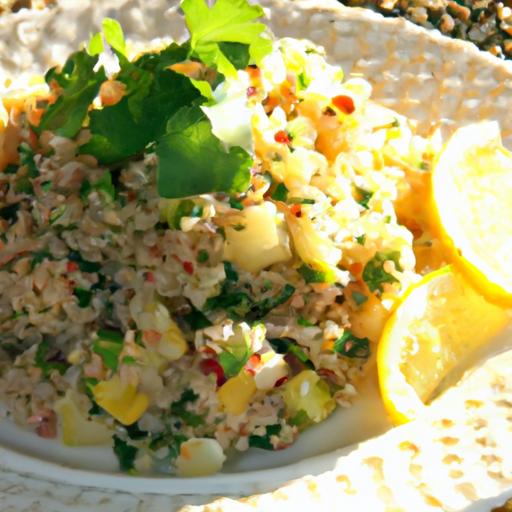
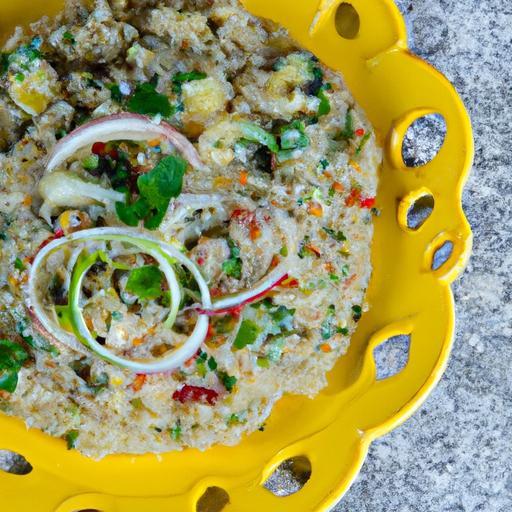
Bright and Zesty: Mastering Lemon Herb Quinoa Pilaf is a celebration of freshness and wholesome texture, combining the vibrant zing of citrus with the aromatic embrace of herbs. This dish draws inspiration from Mediterranean and Middle Eastern flavors, where lemon and herbs are staples to uplift simple grains. I discovered its magic while experimenting on a breezy spring afternoon – the delicate balance of tart lemon zest and the fragrant herbal medley transforms humble quinoa into a lively, fluffy pilaf that’s both nourishing and irresistibly bright.
Prep and Cook Time
- Preparation: 10 minutes
- Cooking: 20 minutes
- Total Time: 30 minutes
Yield
Serves 4 as a side dish, or 2 as a light main course.
Difficulty Level
Easy – Perfect for weeknight dinners or elegant meal prep.
Ingredients
- 1 cup organic white quinoa, rinsed thoroughly
- 2 cups low-sodium vegetable broth
- 1 tbsp extra virgin olive oil, plus more for finishing
- 1 medium shallot, finely diced
- 2 cloves garlic, minced
- Zest and juice of 1 large lemon
- 1/4 cup fresh flat-leaf parsley, finely chopped
- 2 tbsp fresh dill, chopped
- 1 tbsp fresh mint leaves, shredded
- Salt and freshly ground black pepper to taste
- 1/4 cup toasted pine nuts or slivered almonds (optional, for garnish)
Instructions
- Prepare the quinoa: Rinse the quinoa under cold water using a fine mesh sieve to remove any bitterness. Drain well.
- Sauté aromatics: In a medium saucepan, heat 1 tbsp of olive oil over medium heat. Add the finely diced shallot and sauté until translucent, about 3 minutes. Stir in the minced garlic and cook another 30 seconds until fragrant.
- Toast quinoa: Add the rinsed quinoa to the pan and stir continuously for 2-3 minutes,allowing the grains to toast lightly – this step ensures a nutty depth and fluffier texture.
- Simmer: Pour in the vegetable broth and bring to a gentle boil.Reduce heat to low,cover,and simmer for 15 minutes without lifting the lid.After 15 minutes, remove from heat and let it steam undisturbed for an additional 5 minutes. This gradual steaming is key for light, fluffy quinoa.
- Infuse zest and herbs: Fluff the quinoa gently with a fork. Stir in the lemon zest and lemon juice immediately to preserve their bright aromas. Fold in the chopped parsley, dill, and mint, seasoning with salt and black pepper to taste.
- Finish and garnish: Drizzle a touch of olive oil over the pilaf for silkiness. If desired, sprinkle toasted pine nuts or slivered almonds on top to add a delightful crunch and a toasty contrast.
Chef’s Notes & Tips for Success
- Quinoa Variety Matters: White quinoa is recommended for a lighter, fluffier texture. Red or black quinoa can be used but results in a denser, nuttier pilaf with a chewier bite.
- Herb Adaptability: Feel free to swap the herbs according to season or preference – coriander or basil pairs beautifully with lemon as well.
- Lemon Zest Intensity: Use a microplane to finely zest the lemon, avoiding the bitter white pith. Incorporate zest alongside juice for layers of citrus aroma without overpowering acidity.
- Advance Prep: This pilaf can be cooked ahead and served warm or chilled as part of a salad bowl. Reheat gently with a splash of broth or olive oil to revive moisture.
- Flavor Boost: For a subtle smoky undertone, lightly toast the shallots in olive oil before adding garlic.Alternatively, a pinch of ground cumin works harmoniously with lemon and herbs.
Creative serving Suggestions to Elevate Your Lemon Herb Pilaf

Serve this quinoa pilaf nestled alongside grilled vegetables, such as charred asparagus or roasted bell peppers. It makes a perfect bed for roasted chicken or pan-seared fish, highlighting the lemon-herb contrast in the protein.
For a vegetarian feast, pair it with a dollop of creamy tzatziki or a side of roasted chickpeas seasoned with smoked paprika. Garnish the dish with vibrant edible flowers, microgreens, or a scattering of pomegranate arils to add visual brightness and bursts of flavor.
For a Mediterranean-inspired mezze platter, accompany your pilaf with marinated olives, sliced heirloom tomatoes, and warm, fluffy pita bread. A light drizzle of lemon-infused olive oil just before serving will deepen the citrus appeal and add a glossy finish.
| Nutrient | Amount per Serving |
|---|---|
| Calories | 230 kcal |
| Protein | 7 g |
| carbohydrates | 38 g |
| Fat | 6 g |

For more vibrant grain recipes, check out our Mediterranean Barley Salad. To explore the health benefits of quinoa, visit Healthline’s quinoa nutrition guide.
Q&A
Q&A: Bright and Zesty – Mastering Lemon Herb Quinoa Pilaf
Q1: What makes Lemon Herb Quinoa Pilaf stand out from other quinoa dishes?
A1: this pilaf bursts with vibrant freshness thanks to the harmonious blend of citrusy lemon and aromatic herbs. Unlike many quinoa preparations that can feel plain or earthy, the zesty lemon juice and zest infuse brightness, while the herbs add layers of flavor and complexity.The result is a dish that feels light yet satisfying-a perfect balance of texture and taste that awakens the palate.
Q2: Which herbs work best in a lemon herb quinoa pilaf?
A2: Classic Mediterranean herbs such as parsley, dill, and mint shine beautifully here. Parsley offers a clean, grassy note; dill brings a subtle anise-like sweetness; and mint adds a refreshing coolness that contrasts the warm quinoa. Depending on your mood, chives or basil can also complement the lemon’s vibrancy. The key is to use fresh herbs to maximize that garden-fresh zing.
Q3: How do you achieve the perfect fluffy texture for quinoa in this pilaf?
A3: Rinsing quinoa thoroughly before cooking is essential to remove its natural bitterness. Use a gentle simmer rather than a rolling boil, and keep the lid on to allow the grains to steam evenly. After cooking,fluff the quinoa with a fork rather than stirring vigorously-this keeps the grains separate and light. Letting it cool slightly before mixing in lemon and herbs prevents wilting and maintains a bright texture.
Q4: Can Lemon Herb Quinoa Pilaf be served warm and cold? Which do you recommend?
A4: Absolutely! This dish shines both warm and chilled. Served warm, the aromas of lemon and herbs wrap around the quinoa, creating a comforting, golden-hued side. Chilled, it transforms into a refreshing salad that’s perfect for warmer days or picnics. The interplay of temperature changes the experience but never compromises the vibrant flavors.
Q5: What are some creative ways to elevate this pilaf for a main course or special occasion?
A5: Consider adding toasted nuts-like pine nuts or almonds-for crunch and a nutty richness. Roasted vegetables such as cherry tomatoes, bell peppers, or asparagus bring sweetness and color. Fresh pomegranate seeds sprinkle on bursts of tartness and jewel-like beauty. For a protein boost, toss in chickpeas or grilled marinated tofu, turning this bright side into a satisfying entrée.
Q6: How can I balance the lemon’s acidity without overpowering the herbs?
A6: The secret is layering lemon flavor thoughtfully. Use a combination of lemon zest and juice-the zest offers fragrant oils without sharp acidity, while the juice adds bright tang. Add lemon gradually, tasting as you go, so the acidity enhances but doesn’t dominate. Pairing lemon with a touch of olive oil or a sprinkle of mild salt helps smooth out the edges, creating harmony with the delicate herbs.
Q7: Is quinoa the only grain suitable for this pilaf concept?
A7: While quinoa’s nutty flavor and fluffy texture make it ideal, other grains like bulgur, couscous, or even millet can play well in this lemon herb formula. Each brings its own personality: bulgur has a chewy bite, couscous offers a light, fluffy base, and millet delivers a slightly sweet undertone. Just adjust cooking times and liquid ratios accordingly.
Q8: What kitchen tools are essential for making this pilaf at home?
A8: A fine-mesh sieve is key for rinsing quinoa thoroughly, ensuring no bitter coating remains. A medium saucepan with a tight-fitting lid ensures even cooking and steaming. A microplane zester helps extract the bright oils from lemon zest with precision. Lastly, a fork for fluffing the quinoa will help keep the texture airy and light.Mastering Lemon Herb Quinoa Pilaf is not just about following a recipe-it’s about celebrating the bright, zesty soul of simple ingredients. With each forkful, you invite fresh gardens, sunlit kitchens, and a touch of culinary sunshine to your table.
The Way Forward
Bright and zesty, this Lemon Herb Quinoa Pilaf isn’t just a dish-it’s an invitation to brighten your plate and nourish your soul. With each fluffy, fragrant bite, you’re embracing a harmonious blend of tangy lemon and fresh herbs that transform simple quinoa into a celebration of flavor and vitality. Whether served as a vibrant side or a wholesome main, mastering this recipe opens the door to endless culinary creativity and healthful dining. So go ahead-let your kitchen bask in citrus sunshine, and make every meal a refreshing journey of taste and texture.