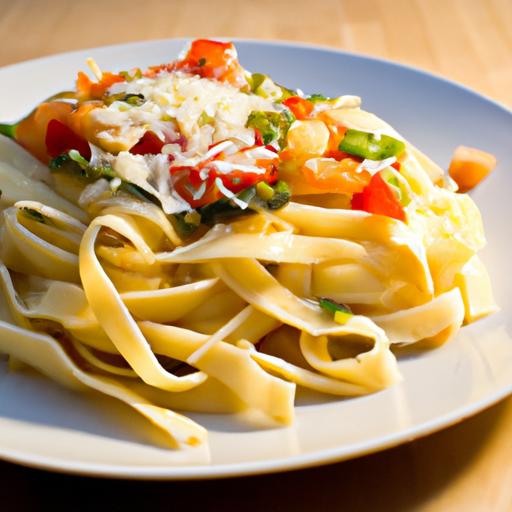

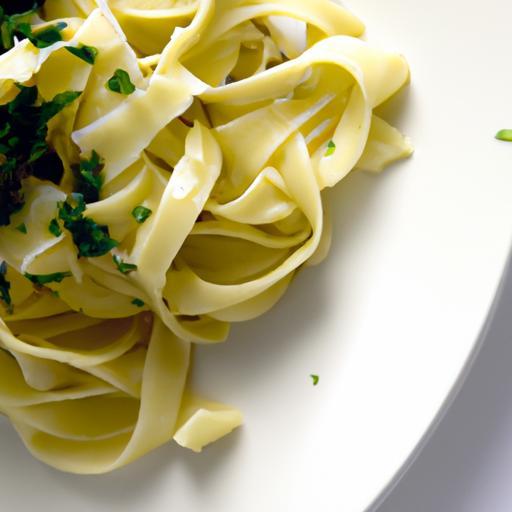
There’s something undeniably satisfying about a plate of perfectly cooked fettuccine – those long, elegant ribbons that cling just right to a rich sauce, delivering comfort and sophistication in every bite. But achieving that ideal texture, where noodles are tender yet firm, requires more then just boiling water and a watchful eye. Timing is the secret ingredient that transforms ordinary pasta into a culinary masterpiece. In this article, we’ll unravel the science and art behind cooking fettuccine to perfection, offering practical tips and timing tricks that ensure every noodle emerges al dente, ready to elevate your next Italian feast. Get ready to master the clock and savor fettuccine like never before.
- Prep and Cook Time
- Yield
- Difficulty Level
- Ingredients
- Understanding the Science Behind the Al Dente Texture
- Choosing the Right Pot and Water Ratio for Even Cooking
- Mastering Timing Techniques for Consistent Results
- Troubleshooting Common Fettuccine Cooking Challenges
- instructions
- Chef’s Notes & Tips for Success
- Serving Suggestions
- Q&A
- Final Thoughts
Perfectly Cooked Fettuccine: Timing Tips for ideal Noodles
Perfectly cooked fettuccine is an art that combines precision, patience, and understanding. This iconic Italian pasta, with its broad ribbons and comforting texture, forms the backbone of countless memorable dishes. As a culinary enthusiast, I’ve discovered that achieving the coveted al dente bite transforms simple noodles into an remarkable experience. Let’s dive deep into the science, tools, and timing that make this possible, turning your kitchen into a pasta paradise.
Prep and Cook Time
- planning: 5 minutes
- Cooking: 8-12 minutes
- Total Time: 15 minutes
Yield
Serves 4 hearty portions
Difficulty Level
Medium - Requires attention to timing and technique
Ingredients
- 400g (14 oz) dried fettuccine pasta
- 4 liters (16 cups) water
- 1 tbsp fine sea salt
- 1 tbsp olive oil (optional, for stirring)
Understanding the Science Behind the Al Dente Texture
Each strand of fettuccine is made up of starches and proteins that react distinctly when boiled. Achieving al dente-which means “to the tooth” in Italian-means your noodles retain a slightly firm center with a tender exterior. This delicate balance occurs as heat softens the starch granules while the gluten network from the flour coagulates just enough to provide resistance. Overcooking causes starches to swell excessively and release, turning noodles mushy, while undercooking leaves them too hard. Mastering this scientific dance is essential for perfectly cooked fettuccine.
Choosing the Right Pot and Water Ratio for Even Cooking
For consistent results, use a wide, deep pot. This provides ample room for the noodles to move freely, preventing clumping and uneven cooking. Filling with at least 4 liters of water for every 400 grams of pasta creates enough space so that the noodles have room to expand and cook evenly. salt the water well-it seasons the pasta internally while boosting boiling temperature. Though some chefs add a splash of olive oil to the water to prevent sticking, stirring thoroughly at the start is just as effective and more traditional.
Mastering Timing Techniques for Consistent Results
Timing is critical when aiming for perfectly cooked fettuccine. Begin your timer the moment the pasta hits the boiling water. Stir regularly during cooking, especially the first 2 minutes, to keep noodles separate. Taste-test about 1-2 minutes before the package’s recommended cooking time-this lets you catch that tender yet firm al dente moment. Remember that pasta continues to cook slightly after draining, so pull it from heat a little earlier if you’ll be tossing it with a warm sauce.
Troubleshooting Common Fettuccine Cooking Challenges
- Sticky Clumps: Ensure you stir well during the first minute and use enough water to prevent overcrowding.
- Mushy Pasta: Avoid overcooking by starting to taste early and draining promptly.
- Uneven Texture: Use a pot large enough to let noodles move freely and distribute heat uniformly.
- Flavorless Noodles: Never skip adding salt to your boiling water-it’s the secret to depth in perfectly cooked fettuccine.
instructions
- Fill a large pot with 4 liters of water and add 1 tablespoon of fine sea salt. Bring to a rolling boil over high heat.
- Add 400 grams of dried fettuccine to the boiling water all at once. Gently stir with a long spoon or pasta fork to separate the strands.
- Boil uncovered. Stir occasionally, especially during the first 2 minutes, to prevent the noodles from sticking together.
- Start tasting the pasta after 8 minutes; the ideal texture will be firm yet tender. Adjust timing as needed, generally between 8 and 12 minutes.
- Once al dente is achieved, reserve a cup of pasta water, then drain the fettuccine promptly in a colander.
- Return noodles to the pot or a pan with your sauce, using reserved pasta water to adjust consistency and help sauce cling to the strands.
- Toss gently and serve promptly, garnished as desired.
Chef’s Notes & Tips for Success
- Make-ahead: cook pasta to just under al dente, drain, toss with a little olive oil, and refrigerate. Reheat briefly in boiling salted water before serving.
- Use a timer for precision-perfectly cooked fettuccine depends on consistency.
- If unsure, rely on the “bite test”-bite into the pasta to check texture rather than trusting package timing alone.
- Pair with lighter sauces for delicate noodles or heartier ragùs for a robust experience.
- For gluten-free alternatives, adjust cook time carefully as texture varies by brand and composition.
Serving Suggestions
Serve your perfectly cooked fettuccine paired with vibrant garnishes like fresh basil, a scattering of toasted pine nuts, or a drizzle of extra virgin olive oil to highlight the pasta’s texture. A sprinkle of freshly grated Parmigiano-Reggiano (or a vegetarian hard cheese alternative) adds richness and depth. For a fresh twist,toss with lemon zest and cracked black pepper or complement with a side of grilled vegetables or crisp arugula salad.

| nutrient | Per Serving |
|---|---|
| Calories | 350 kcal |
| Protein | 12g |
| carbohydrates | 70g |
| Fat | 2g |
For more pasta preparation tips and sauce pairings, be sure to check our Complete Guide to Homemade Pasta Sauces. additionally, explore expert advice and scientific insights at Serious Eats’ Pasta Cooking Guide.
Q&A
Q&A: Perfectly Cooked Fettuccine - Timing Tips for Ideal Noodles
Q1: Why is timing so crucial when cooking fettuccine?
A1: Fettuccine is a delicate pasta with just the right bite and texture that can be easily lost if overcooked or undercooked. The perfect timing ensures the noodles are al dente-tender yet firm-allowing the sauce to cling beautifully and creating a satisfying mouthfeel in every twirl.
Q2: How do I know when fettuccine is perfectly cooked?
A2: The best way is to taste-test a strand about a minute before the package’s suggested cooking time ends. It should be tender but still slightly firm in the center. If it feels mushy or falls apart, it’s overcooked. Strive for that gentle resistance that gives fettuccine its signature texture.
Q3: Does the type of fettuccine (fresh vs. dried) affect cooking time?
A3: absolutely! Fresh fettuccine cooks much faster-often in 2-4 minutes-becuase it contains more moisture. Dried fettuccine typically requires 8-12 minutes, depending on thickness. Always check the package but trust your taste buds as the ultimate guide.
Q4: Can I speed up the cooking process without compromising texture?
A4: To a small extent, yes. Using vigorously boiling, well-salted water ensures the pasta cooks evenly and quickly. Stir the noodles gently to prevent sticking. However, rushing by partially cooking or reheating later often leads to uneven texture-so patience is key!
Q5: What role does salt in the boiling water play in cooking fettuccine?
A5: Salt seasons the noodles from within, enhancing their natural flavor. it doesn’t speed up cooking but does make a marked difference in taste. A good rule of thumb is about 1-2 tablespoons of salt per gallon of water, ensuring your fettuccine tastes as delightful as it looks.
Q6: Is rinsing fettuccine after cooking recommended?
A6: Generally, no. Rinsing removes the starches that help sauce adhere to the noodles, resulting in a less cohesive dish. However, if you plan to use the fettuccine in a cold pasta salad, a swift rinse under cold water can stop the cooking process and cool the noodles.Q7: How can leftover fettuccine be reheated without losing its perfect texture?
A7: Reheat gently by dropping the noodles into boiling water for just 30 seconds to 1 minute or briefly warming them in a skillet with a splash of sauce or broth. Avoid microwaving dry pasta, which tends to dry out and lose that ideal bite.
Q8: Any pro tips for timing multiple pots of fettuccine at once?
A8: If cooking more than one pot, keep the pots separate to avoid crowding and temperature drops. Stagger the start times so you can remove each batch at its peak doneness, keeping finished noodles warm and tender by tossing them lightly with olive oil in a warm serving bowl.
Q9: How does altitude affect fettuccine cooking time?
A9: At higher altitudes, water boils at a lower temperature, which can increase cooking times. Expect to add a minute or two more and test frequently to ensure the fettuccine cooks evenly while maintaining that perfect texture.Q10: What’s the biggest mistake to avoid when timing fettuccine cooking?
A10: The most common misstep is relying solely on the timer without tasting. Packaged times are guidelines-they don’t replace experience. Frequent tasting, observation, and slight adjustments will lead you to that flawless, fork-twirling fettuccine every time.
Final Thoughts
Mastering the art of perfectly cooked fettuccine is less about guesswork and more about understanding the delicate dance of timing and texture. With each tick of the clock, those noodles transform from stiff strands to tender ribbons ready to cradle your favorite sauces. Remember, the secret lies in patience, a watchful eye, and a well-timed taste test. Armed with these timing tips,your fettuccine will no longer be just pasta-it will be an invitation to savor every bite,a festivity of al dente perfection on your plate. So next time you boil that pot, trust the process, embrace the rhythm, and enjoy noodles cooked just right.