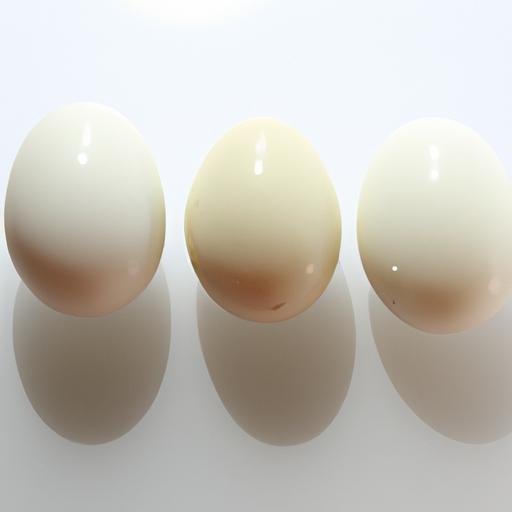

There’s somthing almost magical about the humble boiled egg – a simple kitchen staple that, when mastered, transforms breakfast, snacks, and even gourmet dishes into culinary delights. Yet, achieving that perfect balance of tender whites and creamy yolks can be surprisingly elusive. Whether you crave a jammy center or a firm, fully-cooked yolk, unlocking the secrets to boiling eggs flawlessly is a skill every home cook can benefit from. In this article, we’ll dive into the science, share pro tips, and reveal little-known tricks to help you master the perfect boiled egg every time.Say goodbye to guesswork and hello to consistently ideal results!
- Choosing the Right Eggs for Consistent Results
- The Science Behind Boiling Times and Temperature Control
- Techniques for Easy Peeling and Presentation
- Creative Serving ideas to Elevate Your Perfect Boiled Egg
- Prep and Cook Time
- Yield
- Difficulty Level
- Ingredients
- Instructions
- Tips for Success
- Serving Suggestions
- Q&A
- Future Outlook
Choosing the Right Eggs for Consistent Results
Mastering the Perfect Boiled egg begins with selecting eggs that guarantee both taste and texture harmony. Freshness plays a pivotal role; slightly older eggs (about 7-10 days old) tend to peel much easier than eggs gathered straight from the farm. This is as as eggs age, the pH of the white increases, causing the membrane to separate more readily from the shell, minimizing cracking and frustrating peeling. Opt for organic or free-range eggs if possible,as their flavor richness and yolk brightness lend themselves beautifully to presentation.
The Science Behind Boiling Times and Temperature Control
Controlling temperature and timing sets the foundation for that sought-after creamy yolk and tender whites.Onc placed in boiling water, eggs undergo a heat-transfer process where the yolk solidifies at varying rates depending on temperature and time. For instance, a 6-minute boil renders a soft, jammy center perfect for salads or toast toppings, while a 10-12 minute boil produces firm yolks for classic deviled eggs.
Start with room-temperature eggs to avoid cracking caused by sudden heat shock. Gently lower eggs into rapidly boiling water with a slotted spoon to maintain egg integrity.Once boiling, reduce to a gentle simmer-vigorous boiling jostles the eggs, risking cracks or uneven cooking. Use a timer for precision; every 30 seconds can dramatically alter the yolk’s consistency.
Techniques for Easy Peeling and Presentation
After boiling, promptly plunge your eggs into an ice bath for at least 5 minutes. This halts the cooking and contracts the egg inside the shell, easing separation. To peel, gently tap the egg on a hard surface, then roll it under your palms to crack the shell evenly before peeling from the wider end where the air pocket resides.
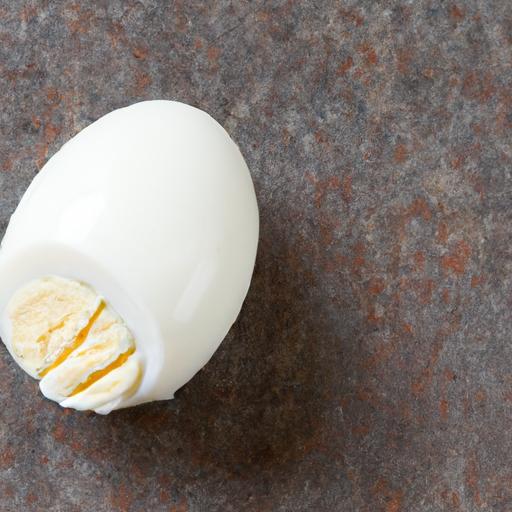
For picture-perfect presentation,peel eggs under running water to help flush away stubborn shell fragments. Slice gently using a sharp serrated knife or egg slicer to maintain clean edges. Consider scoring the yolk with a fork-this creates texture that enhances both the look and mouthfeel.
Creative Serving ideas to Elevate Your Perfect Boiled Egg
Turn your expertly boiled eggs into culinary stars with simple yet inspired finishing touches. Halved eggs tossed in vibrant homemade pesto, garnished with toasted pine nuts and microgreens, make for an elegant appetizer. Or, create a trendy keto-friendly snack by topping eggs with smoked paprika, crispy bacon bits, and chives.
For brunch, nestle soft-boiled eggs in avocado boats sprinkled with lemon zest and chili flakes.Alternatively, layer firm-boiled egg slices on artisanal bread with creamy aioli and fresh herbs to elevate your sandwich game. Don’t underestimate the power of contrasting textures and colors to ignite visual appeal and palate excitement.
Prep and Cook Time
- Readiness: 5 minutes
- Cooking: 6 – 12 minutes (depending on desired yolk consistency)
- Cooling: 5 minutes
- total: approximately 15 - 22 minutes
Yield
Serves 4 (1 egg each)
Difficulty Level
Easy
Ingredients
- 4 large eggs, preferably 7-10 days old, room temperature
- Water (enough to cover the eggs by an inch)
- Ice cubes for ice bath
- Optional garnishes: smoked paprika, fresh chives, microgreens, toasted nuts
Instructions
- Bring a pot of water to a vigorous boil, ensuring the water depth covers eggs by at least one inch.
- Reduce heat to a gentle simmer. Using a slotted spoon, carefully lower room-temperature eggs into the water one by one to avoid cracking.
- Start timing immediately:
- 6 minutes for soft-boiled with jammy yolks
- 8 minutes for slightly firmer yolks but still creamy
- 10-12 minutes for fully hard-boiled yolks
- Prepare an ice bath (a large bowl of cold water with plenty of ice) while eggs cook.
- Once time is up,transfer eggs immediately to the ice bath to stop cooking and ease peeling. Leave eggs in ice bath for 5 minutes.
- Peel eggs by gently tapping and rolling under your palm, peeling from the wider end. Rinse briefly under water to remove shell fragments.
- Slice or present eggs whole or halved, adding optional garnishes as desired.
Tips for Success
- Use older eggs: Slightly aged eggs peel more easily than ultra-fresh ones.
- Room temperature: Avoid cracking by using eggs that are not straight from the fridge.
- Simmer, don’t boil vigorously: Prevents the shells from cracking and yolks from developing that greenish ring caused by overcooking.
- Ice bath is key: Stops residual cooking and helps shrink the egg inside the shell for effortless peeling.
- If shells stick: Peel eggs under running water or soak peeled eggs in water for a few minutes.
- Make ahead: Boiled eggs can be refrigerated up to one week, making them perfect for fast snacks or meal prep.
Serving Suggestions
To elevate your boiled eggs:
- Deviled delight: Mix yolks with Greek yogurt, Dijon mustard, and smoked paprika, then pipe back into whites.
- Breakfast bowls: Add halved soft-boiled eggs atop grain bowls with roasted veggies, avocado, and a drizzle of tahini.
- Egg and toast points: Stack sliced eggs on top of toasted rye or sourdough with herb butter and a sprinkle of flaky sea salt.
- Fresh herb garnish: Dill, chives, and parsley brighten flavor and add a burst of color.
- International flair: Try topping with za’atar, sumac, or a drizzle of soy sauce and sesame oil for an umami kick.

| Nutritional Facts (per egg) | Calories | Protein | Carbs | Fat |
|---|---|---|---|---|
| Hard-boiled | 78 | 6.3g | 0.6g | 5.3g |
| Soft-boiled | 78 | 6.3g | 0.6g | 5.3g |
For more egg-cellent inspiration, explore our detailed guide on Creative Deviled Egg Recipes. To learn about the chemistry behind egg cooking, check the authoritative resource at Serious Eats.
Q&A
Q&A: Mastering the Perfect Boiled Egg - Tips for Ideal Results
Q1: why is boiling an egg perfectly such a challenge?
A: Beneath its simple shell lies a delicate balance of timing, temperature, and technique.Too short, and the yolk remains runny; too long, and you get a rubbery texture and that pesky green ring. The secret is understanding how heat interacts with egg proteins and mastering the timing to unlock that ideal creamy center.
Q2: What’s the best type of egg to use for boiling?
A: Freshness matters! Slightly older eggs (about a week old) actually peel more easily after boiling because the pH level inside the egg changes, loosening the membrane from the shell.So, if you want smooth peeling, don’t grab the ultra-fresh carton-let those eggs rest a bit.
Q3: Should I start with cold water or boiling water?
A: Both methods work,but starting with cold water and then bringing it to a boil allows for more even cooking. Placing eggs straight into boiling water can shock the shell and sometimes causes cracks.However, if you’re short on time, dropping eggs into boiling water and adjusting timing can yield great results too!
Q4: How long should I boil the egg for perfect soft, medium, and hard yolks?
A: Here’s a quick guide:
- Soft-boiled eggs with gooey yolks: 4-6 minutes
- Medium-boiled eggs with custardy yolks: 7-9 minutes
- Hard-boiled eggs with fully set yolks: 10-12 minutes
Remember, carryover heat continues to cook the egg once removed from water, so factor in resting time.
Q5: How can I make peeling boiled eggs easier?
A: after boiling, plunge your eggs into an ice bath-this halts cooking and contracts the egg white inside the shell, creating a tiny gap. Gently crack the shell all over and peel under running water or while submerged; the water helps separate the shell from the egg.
Q6: Are there any tricks to avoid that green-gray ring around the yolk?
A: Absolutely! That unsightly ring forms when eggs are overcooked or cooled too slowly,causing iron in the yolk and sulfur in the white to react. To prevent it, stick to recommended cooking times and rapidly chill eggs in ice water right after boiling.
Q7: How can altitude affect boiling eggs?
A: At higher elevations, water boils at a lower temperature, meaning eggs need a bit longer to cook through. If you’re mountain-side, add a minute or two to your boiling times and consider using a lid to maintain heat.Q8: is there a way to jazz up the flavor of boiled eggs during cooking?
A: Try adding a pinch of baking soda or a splash of vinegar to the water-it can affect the egg’s pH and make peeling easier. For a subtle flavor twist, cook eggs in tea, soy sauce, or a spice-infused broth to create savory marinated delights post-boil.
Q9: Can I boil eggs ahead of time and still have that fresh taste?
A: Yes! Hard-boiled eggs keep well in the refrigerator for up to one week. Store them unpeeled in a covered container to preserve moisture and flavor. Peel just before eating to enjoy that fresh texture.Q10: What’s the ultimate tip for boiling eggs that will impress friends and family?
A: Treat your eggs gently-handle with care, time precisely, and chill quickly. with these mindful steps, you’ll achieve eggs with perfectly tender whites and luscious yolks, ready to elevate salads, sandwiches, or simply enjoyed with a sprinkle of salt. Mastery is just a boil away!
Future Outlook
Mastering the perfect boiled egg is more than just a kitchen skill-it’s a small culinary victory that elevates breakfast, snacks, and salads alike. With the right techniques tucked into your cooking repertoire, you’ll achieve that flawlessly tender white and luscious, creamy yolk every time. So, next time you crack an egg into boiling water, remember these tips and watch as a simple ingredient transforms into a masterpiece of texture and flavor. Whether soft, medium, or hard-boiled, the perfect egg is within your grasp-ready to brighten your plate and delight your palate. Happy boiling!