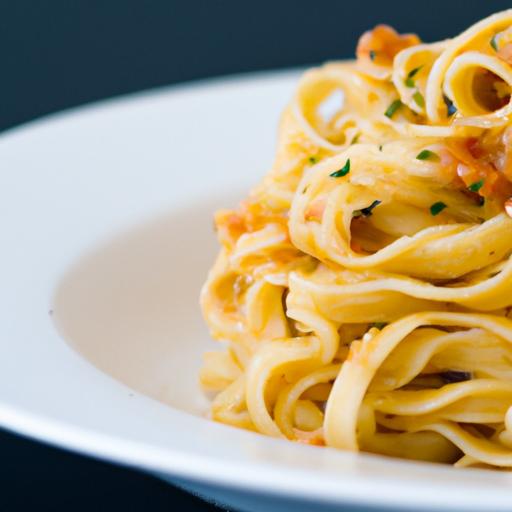

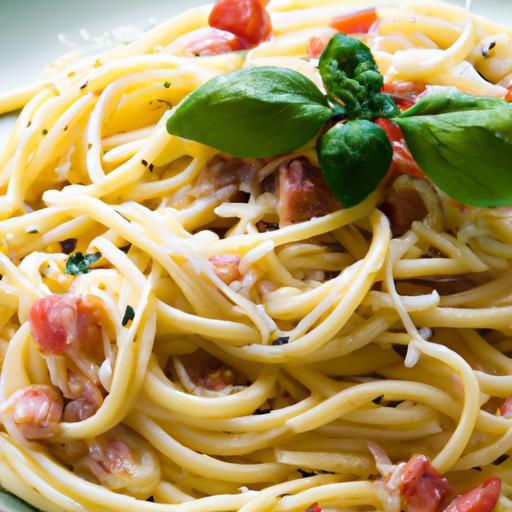
There’s something almost magical about a plate of perfectly cooked fettuccine-the way those long, ribbon-like noodles effortlessly twirl around your fork, coated in a luscious sauce that clings just right. But mastering fettuccine is more than just boiling pasta until it’s “al dente.” It’s an art that balances technique, timing, and a touch of patience, transforming simple ingredients into a culinary delight. Whether you’re a kitchen novice eager to impress or a seasoned cook looking to refine your skills, this ultimate guide will unravel the secrets to creating flawless fettuccine every single time. Get ready to elevate your pasta game and conquer those noodles like a true maestro.
Mastering Fettuccine begins with understanding the soul of the noodle: the flour. The right flour transforms humble dough into silky ribbons that glide effortlessly across your plate. Originating from the heart of Italy’s Emilia-Romagna region, fettuccine’s charm lies in its supple texture and subtle bite, making it a versatile base for countless sauces. Drawing on years of culinary passion and food styling finesse, this guide will elevate your homemade fettuccine from a simple pasta to a stunning centerpiece.
Prep and Cook Time
- Preparation: 20 minutes
- Resting: 30 minutes
- Cooking: 3-5 minutes
- Total Time: Approximately 1 hour
Yield
Serves 4 generous portions
Difficulty Level
Medium – suitable for home cooks ready to embrace some hands-on dough crafting
Ingredients
- 2 cups 00 flour, finely milled and sifted
- 1/2 cup all-purpose flour, to balance texture
- 3 large eggs, at room temperature
- 1/2 teaspoon fine sea salt
- 1 tablespoon extra virgin olive oil (optional, for tenderness)
Choosing the Ideal Flour for Silky Smooth fettuccine
Selecting 00 flour is the quintessential first step in mastering fettuccine. This ultra-fine Italian flour lends a remarkably smooth and elastic dough, perfect for that tender yet resilient texture. Combining it with a touch of all-purpose flour introduces a bit more structure, preventing the noodles from turning too gummy during cooking. The balanced protein content of these flours ensures your noodles have that quintessential bite without feeling tough.
crafting the Perfect Dough Texture for Effortless Rolling
Start by creating a gentle mound of your flour blend on a clean surface. Crack the eggs right into the well and add the sea salt and olive oil. Using a fork, gradually incorporate the flour from the edges, pulling inward. As the dough begins to come together, knead with the heels of your hands for about 10 minutes until it’s cohesive, smooth, and slightly springy. Avoid adding too much additional flour; the dough should feel soft but not sticky, resembling velvet beneath your hands. Let it rest, covered, for 30 minutes – this resting phase is essential to relax the gluten strands, allowing for silky rolling.
Secrets to Rolling and Cutting Fettuccine Like a Pro
Divide the rested dough into quarters to make handling easier. starting with one piece, flatten slightly with your hands, then roll it thru a pasta machine beginning on the widest setting. Fold the dough and roll multiple times before progressively decreasing thickness settings to achieve a thin sheet, ideally the thickness of standard fettuccine (around 1.5 mm). If rolling by hand, use a long rolling pin and turn the dough often, dusting lightly with flour to prevent sticking.
Once the sheet is ready, lightly dust it with flour, fold it loosely into thirds, and slice with a sharp knife into ribbons about 6 mm wide.Gently unroll your fettuccine strands, tossing lightly with flour to prevent sticking and allow them to rest for 10 minutes before cooking.
cooking and Serving Tips to Elevate Your Fettuccine Experience
Bring a large pot of salted water to a vigorous boil. Fresh fettuccine cooks quickly – usually in 3 to 5 minutes. Taste for al dente texture: tender but with a slight chew. Reserve a cup of pasta water before draining. This starchy elixir is your secret to a sauce that clings perfectly. For serving, toss the drained fettuccine in your preferred sauce, adding pasta water gradually to achieve a silky finish.
Chef’s Notes and Tips for Success
- Flour Variations: Substitute semolina flour for a nuttier flavor and firmer bite if you prefer.
- Egg Quality: Use the freshest, highest-quality eggs for rich color and texture.
- Make-Ahead: Fresh fettuccine can be air-dried on a pasta rack for up to 24 hours or frozen for up to a month on parchment-lined trays.
- Binding Fixes: If the dough feels crumbly, add a teaspoon of water; if sticky, dust lightly with flour.
- Rolling Tip: Avoid over-flouring the dough – too much flour dries out pasta sheets.
Serving Suggestions
This silk-smooth fettuccine pairs beautifully with creamy sauces like a classic Alfredo made with Parmesan and butter, or fresh basil pesto for a punch of herbaceous flavor. Garnish with freshly cracked black pepper,toasted pine nuts,and vibrant microgreens for contrast. A shaving of aged Parmigiano-Reggiano on top brings the dish to life both visually and gastronomically.

| Nutrient | Per Serving |
|---|---|
| Calories | 320 kcal |
| Protein | 11 g |
| Carbohydrates | 58 g |
| Fat | 4 g |
For more pasta techniques and sauce inspiration, explore our Ultimate Guide to Homemade Pasta.Discover expert pasta-making tips from Italy’s top culinary institutions at Italian Food Forever.
Q&A
Q&A: Mastering Fettuccine – Your Ultimate Guide to perfect Noodles
Q1: What makes fettuccine different from other pasta shapes?
A1: Fettuccine is a flat,ribbon-like pasta,typically about ¼ inch wide. Its broad surface area allows it to hold onto rich, creamy sauces like Alfredo or thick ragùs exceptionally well, making every bite flavorful and satisfying. Unlike thinner pastas, fettuccine’s hearty texture brings a comforting chewiness that stands out in a sea of noodle options.
Q2: Can I make fettuccine from scratch at home?
A2: Absolutely! Making fettuccine from scratch is a rewarding culinary adventure. All you need is flour, eggs, a pinch of salt, and a little patience. Rolling out the dough thinly and cutting it into even ribbons transforms simple ingredients into something remarkable. Plus, fresh pasta cooks faster and embraces sauces more intimately than dried versions.
Q3: What’s the secret to cooking fettuccine perfectly?
A3: Timing and salt are your best friends. Bring a large pot of generously salted water to a vigorous boil – this seasons the noodles internally. Fresh fettuccine cooks in just 2-3 minutes, while dried pasta needs about 8-12 minutes. always taste for that ideal al dente bite: tender yet with a slight firmness in the center.
Q4: How can I prevent my fettuccine from sticking together after cooking?
A4: Drain your pasta thoughtfully. Reserve a small cup of pasta water before draining to adjust your sauce consistency later. After draining, immediately toss your fettuccine with sauce or a drizzle of olive oil to keep strands separate and glossy. Avoid rinsing unless you’re making a cold pasta salad, as rinsing removes the starch that helps sauces cling.
Q5: what are some creative sauces that pair beautifully with fettuccine?
A5: Think beyond the classic! A sun-dried tomato pesto packed with basil and toasted nuts offers vibrant flavor contrasts. For a lighter option, a lemon-garlic butter sauce with fresh herbs awakens the palate. Roasted vegetables, sautéed mushrooms, or a creamy avocado and basil blend add unexpected textures and freshness that dance with fettuccine’s hearty profile.
Q6: Can I store homemade fettuccine if I’m not cooking it right away?
A6: Yes, you can! Dust the cut noodles with a bit of flour, spread them out in a single layer on a tray, and let them dry slightly for about 30 minutes. Then, either cook immediately or freeze them in airtight containers for up to a month. When ready,add frozen fettuccine straight to boiling water – just allow an extra minute of cooking.
Q7: How do I troubleshoot common fettuccine issues, like limp noodles or clumping?
A7: Limp noodles usually mean overcooking – keep a close eye and taste early. For clumping, make sure to stir well during the first minute of cooking, and toss immediately with sauce or a light oil after draining.If the sauce is too thick, lift its texture with a splash of reserved pasta water to coat noodles evenly.
Q8: What kitchen tools can help me master fettuccine making?
A8: While careful rolling pins and sharp knives work fine, a pasta machine is a game-changer for consistent thickness and smooth texture. A pasta drying rack keeps strands separated as they dry, and a large, heavy-bottomed pot ensures steady boiling. A colander with wide enough openings helps drain without breaking delicate fresh noodles.
Q9: Can fettuccine fit into gluten-free or vegan diets?
A9: Certainly! Gluten-free flours like rice or chickpea blend can substitute conventional wheat flour, though dough texture may vary. Vegan fettuccine replaces eggs with water, olive oil, or plant-based alternatives, offering a pliable dough that cooks just as beautifully.Experimenting with these ensures everyone can savor perfect noodles tailored to their needs.
Q10: What’s the finishing touch to elevate a fettuccine dish?
A10: Fresh herbs like parsley or basil add vibrant color and fresh aroma that light up your plate. A sprinkle of toasted pine nuts or a drizzle of high-quality extra virgin olive oil brings depth and subtle richness. For a burst of brightness, a few twists of freshly cracked black pepper or a squeeze of citrus zest can brighten the entire bowl, transforming homemade fettuccine into a restaurant-worthy masterpiece.
Future Outlook
As you twirl your fork through those silky ribbons of fettuccine, remember that mastering this classic pasta is as much about patience and passion as it is about technique. From kneading the dough to that final al dente bite, each step invites you to connect with a centuries-old tradition served on your plate. With this ultimate guide in hand,you’re no longer just cooking-you’re crafting a culinary experience that celebrates simplicity and flavor in perfect harmony. So go ahead, embrace the art of the noodle, and let every bite of your homemade fettuccine tell a story of dedication, delight, and appetizing mastery. Buon appetito!