
There’s an art to cooking brown rice that transforms simple grains into a fluffy, satisfying masterpiece. Unlike its white counterpart, brown rice demands a bit more patience and precision-especially when it comes to the elusive perfect water ratio. Too much water,and you risk a mushy mess; too little,and those grains stay stubbornly chewy. In this guide, we’ll unravel the science behind the ideal water-to-rice balance, unlocking the secret to effortlessly tender, fluffy brown rice every time. Prepare to elevate your cooking and give this wholesome grain the spotlight it deserves.
Understanding the Science Behind Brown Rice Cooking
Mastering brown rice with the perfect water ratio is a culinary skill that blends both art and science to achieve fluffy, tender grains every time.Unlike white rice, brown rice retains its bran and germ layers, which makes it richer in nutrients but also requires a more attentive cooking approach. The fibrous bran acts as a natural barrier, requiring more water and longer cooking to soften the grain properly.
This outer layer slows water absorption,meaning the typical water-to-rice rules for white rice don’t apply.The ideal water ratio nourishes the rice kernels through gentle steaming without leaving them mushy or undercooked. Understanding how water interacts with those bran layers transforms your cooking from guesswork into predictable precision, unlocking the full nutty flavor and satisfying bite of whole-grain brown rice.
Choosing the Ideal Water to Rice Ratio for Fluffiness
The secret to perfectly fluffy brown rice lies in the meticulous balance of water and time. For moast long-grain brown rice types, a ratio of 1 ¾ cups of water to 1 cup of brown rice works beautifully.This ratio ensures the bran has enough moisture to soften without oversaturating the rice, which can lead to a sticky mess.
Some varieties, like short or medium grain, may require slightly less water-closer to 1 ½ cups per cup. Experimenting within a narrow window lets you control texture, from firmer, slightly chewy bites to tender, fluffy grains that seperate effortlessly.Using a heavy-bottomed pot with a tight-fitting lid further enhances steam retention, essential for even cooking.
Prep and Cook Time
- Preparation: 5 minutes
- Cooking: 40-45 minutes
- Resting: 10 minutes (off heat)
Yield
1 cup of uncooked brown rice yields approximately 3 cups cooked, serving 3-4 people as a side dish.
Difficulty Level
Easy to Medium – ideal for home cooks seeking consistent results and a deeper understanding of grain preparation.
Ingredients
- 1 cup long-grain brown rice, rinsed thoroughly under cold water
- 1 ¾ cups filtered water (adjust slightly based on rice variety)
- ½ teaspoon fine sea salt (optional)
- 1 tablespoon olive oil or melted coconut oil (optional, for enhanced texture and sheen)
Step by Step Guide to Achieving Perfectly cooked Brown Rice
- Rinse the rice under cold water until the water runs clear.This removes excess starch, preventing clumping and promoting fluffy grains.
- Combine rice,water,salt,and oil in a medium heavy-bottomed saucepan. Give it a gentle stir to evenly distribute salt and oil but avoid vigorous stirring that can break grains.
- Bring the water to a rolling boil over medium-high heat. Once boiling, reduce heat to the lowest setting and cover with a tight-fitting lid promptly to trap steam.
- Simmer gently for 40 minutes without lifting the lid or stirring. this undisturbed steam process is crucial to avoid loss of moisture and uneven cooking.
- Turn off the heat and let the rice rest, covered, for 10 minutes. This final steaming phase allows moisture to redistribute evenly, finishing the cooking gently.
- Fluff the rice using a fork,breaking apart clumps by gently lifting the grains rather than pressing down.
Tips and Tricks for Enhancing Flavor and Texture
- For a nutty aroma, toast the rinsed rice in a dry saucepan over medium heat for 3-4 minutes before adding water.
- Swapping water for homemade vegetable broth infuses subtle savory notes while maintaining fluffiness.
- If your rice is too firm or chewy, next time slightly increase water by 2 tablespoons; if it turns mushy, reduce by 2 tablespoons.
- Add a bay leaf or a few cardamom pods to the pot before cooking for gentle fragrance.
- Make larger batches and freeze in portions. Reheat gently with a splash of water and steam under a lid to restore fluffiness.
- Use a fine-mesh strainer to rinse rice thoroughly, promoting tender grains that aren’t gummy.
Serving Suggestions
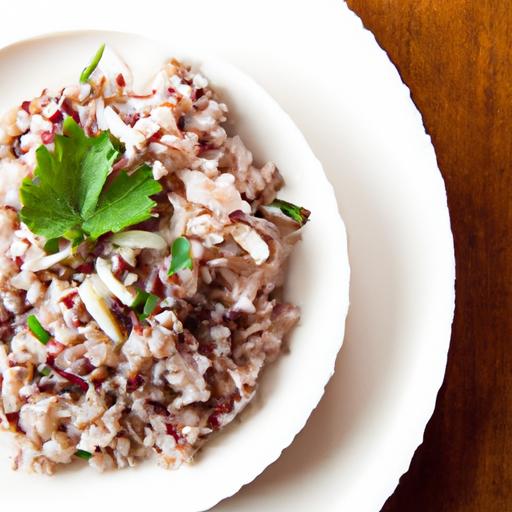
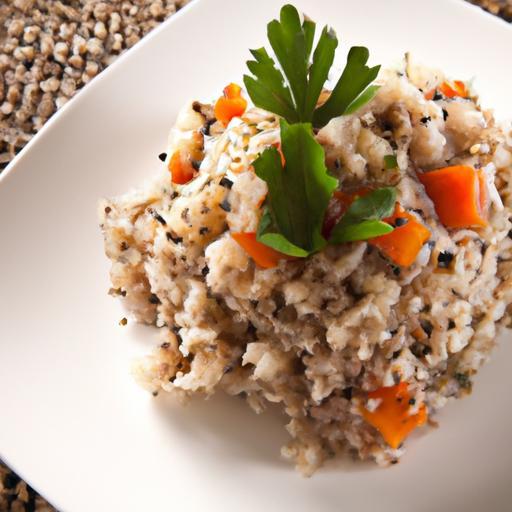
Master the technique of perfectly fluffy brown rice and your plate instantly elevates. Serve as a wholesome base for grilled vegetables, roasted mushrooms, or spiced chickpeas. Garnish with a sprinkle of toasted sesame seeds, chopped fresh herbs like cilantro or parsley, or a drizzle of zesty lemon-tahini dressing to highlight the rice’s toasty notes and silky texture.
For a vibrant,nutrient-packed bowl,top your brown rice with sautéed kale,avocado slices,and a spoonful of crunchy toasted nuts. The contrasting textures and harmonious flavors make each bite memorable and satisfying.

| Nutrient | Per 1 Cup Cooked |
|---|---|
| Calories | 215 |
| Protein | 5g |
| Carbohydrates | 45g |
| Fat | 1.8g |
| Fiber | 3.5g |
For deeper insight on whole grain rice varieties and health benefits, visit the Harvard Whole Grains Resource. Also, explore our related nutritional guide on brown rice to maximize your meals with wholesome grains.
Q&A
Q&A: Mastering Brown rice – The Perfect Water Ratio for Fluffy Grains
Q1: Why is cooking brown rice different from white rice?
A1: Brown rice keeps its bran and germ layers intact, lending it a nuttier flavor and chewier texture. These layers also mean it needs more water and a longer cooking time than white rice to become tender and fluffy.
Q2: What is the ideal water-to-brown-rice ratio for perfectly fluffy grains?
A2: The magic number is generally 2 ¼ cups of water for every 1 cup of brown rice. This ratio gives the rice enough moisture to soften thoroughly without becoming mushy.
Q3: Can I adjust water amounts for different types of brown rice?
A3: Absolutely! Short-grain brown rice may require slightly less water (around 2 cups per cup of rice), while long-grain or whole grain varieties might thrive on a bit more. Always check the packaging or start with the 2 ¼ cups water guideline and tweak as needed.
Q4: Is soaking brown rice beforehand necessary?
A4: Soaking isn’t essential but highly recommended if you want a faster cook time and fluffier texture. Even a 30-minute soak softens the grains and reduces cooking time by about 10-15 minutes.
Q5: How do I know when my brown rice is perfectly cooked?
A5: The grains should be tender but still have a slight chew, with no excess water left in the pot. If the rice is too firm, add a splash of water and cook a few more minutes. If it’s mushy, next time, reduce your water slightly.
Q6: What’s the best cooking method for fluffy brown rice?
A6: Simmering gently with a tight-fitting lid is key. Bring water and rice to a boil, reduce heat to low, cover, and cook undisturbed for about 40-45 minutes. Let it rest off the heat for 10 minutes to let steam finish the job before fluffing with a fork.
Q7: Are there any tricks to enhance brown rice flavor during cooking?
A7: Yes! Cooking brown rice in broth (vegetable, chicken, or beef) instead of water adds depth. You can also toss in aromatics like bay leaves, garlic cloves, or fresh herbs before cooking for an extra layer of flavor.
Q8: Can I cook brown rice in a rice cooker using the same water ratio?
A8: Most rice cookers require a bit less water than stovetop methods. Start with 2 cups of water for 1 cup of brown rice and adjust based on your rice cooker’s instructions and your texture preference.
Q9: How do altitude and humidity affect the water ratio and cooking time?
A9: At higher altitudes, water boils at a lower temperature, so you may need to increase cooking time and add a splash more water. In humid climates,less water may be needed since moisture retention is better.
Q10: What should I do if my brown rice turns out sticky or clumpy?
A10: Sticky rice usually means too much water or overcooking. Try reducing the water by ¼ cup next time and fluff immediately after cooking using a fork to separate grains.
Embrace these tips and water wisdom, and soon you’ll be serving bowls of perfectly fluffy, beautifully textured brown rice to brighten any meal!
Final Thoughts
Mastering the perfect water-to-rice ratio is your golden ticket to fluffy, tender brown rice that elevates every meal.With a little patience and the right technique, those hearty grains transform from stubborn to sublime, unlocking their full nutty flavor and satisfying texture. So next time you cook brown rice, remember: it’s not just about measuring water-it’s about crafting a foundation for countless delicious dishes.Embrace the science,trust the process,and enjoy the rewarding results with every forkful. Your journey to mastering brown rice has only just begun!