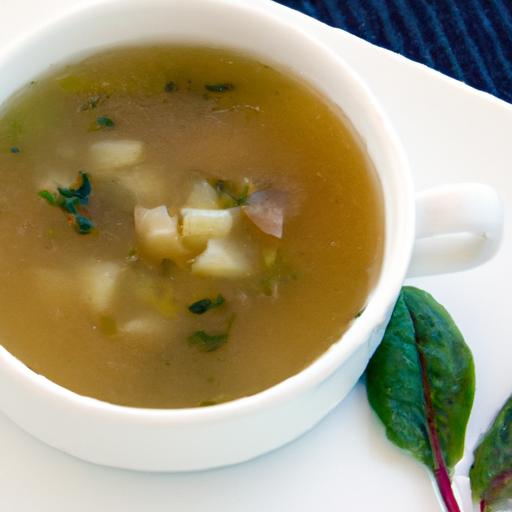


In the heart of every memorable meal lies a secret: a rich,flavorful foundation that elevates ordinary ingredients into a symphony of taste. Homemade veggie stock soup is that secret-the unsung hero of countless recipes, quietly infusing dishes with depth and warmth. Unlocking the magic of this humble elixir not only transforms your cooking but also reconnects you with the pure essence of fresh,seasonal vegetables. Join us as we delve into the art and science of crafting your own veggie stock, uncovering how this simple yet powerful base can ignite creativity and flavor in your kitchen like never before.
Unlocking Flavor: The Magic of Homemade Veggie Stock Soup

Unlocking flavor begins with the very foundation of your kitchen creations: a carefully crafted homemade vegetable stock. This simple yet transformative base breathes life into soups, stews, and sauces by extracting the pure essence of fresh vegetables. For me, the magic of veggie stock started on a crisp autumn afternoon when my grandmother showed me how to coax soul-warming aromas from humble kitchen scraps – a tradition I continue and cherish today.
Prep and Cook Time
- Preparation: 15 minutes
- Cooking: 1 hour 30 minutes
- Total: 1 hour 45 minutes
Yield
- Yield: Approximately 8 cups (2 liters) of rich vegetable stock
Difficulty Level
- Difficulty: Easy
Ingredients
- 2 medium onions, quartered (leave skins on for colour and nutrients)
- 3 medium carrots, roughly chopped
- 3 celery stalks, roughly chopped
- 1 leek, white and light green parts only, cleaned and sliced
- 4 garlic cloves, smashed
- 1 small parsnip, chopped (optional, adds sweet earthiness)
- 1 cup mushrooms, roughly chopped (for deeper umami)
- 1 tomato, quartered (adds subtle acidity and sweetness)
- 1 bay leaf
- 8-10 black peppercorns
- 1 small bunch fresh thyme (or 1 tsp dried thyme)
- 1 small bunch fresh parsley, tied
- 10 cups cold filtered water
- 2 tsp sea salt (optional, to taste)
Instructions
- Prepare your vegetables: Rinse all vegetables under cool water. Quarter onions without peeling them to retain flavor and color. Roughly chop carrots, celery, leek, parsnip, mushrooms, and tomato.
- Sauté to unlock richness: In a large stockpot, warm 2 tablespoons of olive oil over medium heat. Add onions,carrots,celery,leek,and garlic.Sauté until golden and fragrant, approximately 7-8 minutes, stirring occasionally to prevent sticking.
- Add mushrooms and tomato: Toss these in and cook for another 3-4 minutes, stirring gently to help release their deep aromas.
- Add herbs and spices: Nestle bay leaf, peppercorns, thyme, and parsley into the pot. Pour in the cold filtered water – starting cold helps extract maximum flavor.
- Simmer gently: Bring to a boil then instantly reduce heat to low. Let it simmer uncovered for 1 hour 30 minutes. Avoid boiling aggressively to prevent cloudy stock and bitterness.
- Skim impurities: Every 20 minutes, gently skim off any foam or scum that rises to the surface to keep the stock clear and bright-tasting.
- Strain carefully: Remove the pot from heat and strain stock through a fine-mesh sieve lined with cheesecloth,if available. Press lightly on solids to extract all flavorful liquid but avoid pushing too hard to keep stock clear.
- Cool and store: Let cool slightly, then refrigerate in airtight containers for up to 4 days, or freeze in portions for up to 3 months.
Chef’s Notes for Success
- Freshness is key: Opt for organic or farm-fresh vegetables for the purest taste; avoid any wilted or spoiled pieces.
- Roasting option: For an even deeper flavor, try roasting your vegetables at 400°F (200°C) for 20 minutes before sautéing – this caramelizes sugars and adds smoky warmth.
- Customize your herbs: Rosemary, dill, or sage can add unique nuances-just use sparingly to not overpower the base.
- Salt later: It’s often better to leave stock unsalted during cooking, then season final dishes to taste.
- Save your scraps: Create a “stock bag” of veggie ends and peelings in the freezer to always have fresh stock supplies without waste.
Serving Suggestions to Maximize your Homemade Stock
Your homemade vegetable stock is a versatile kitchen ally.Use it as a savory liquid base for hearty soups, grains, or risottos to instantly deepen flavor. Try it as the cooking liquid for steamed vegetables or mashed potatoes – the difference in taste is remarkable.
For an elevated touch, garnish a finished soup with fresh chopped parsley, a drizzle of quality olive oil, or toasted pumpkin seeds for crunch. Brighten rich stews with a squeeze of lemon or a sprinkle of finely chopped chives to balance the earthiness.
| Nutrient | per Cup (240ml) |
|---|---|
| Calories | 20 |
| Protein | 1g |
| Carbohydrates | 4g |
| Fat | 0g |

For more inspiring homemade broth and soup ideas,check out this guide on making perfect chicken stock,or visit Healthline’s vegetable broth nutrition benefits to learn more about the health advantages of veggie stock.
Q&A
Q&A: Unlocking Flavor – the Magic of Homemade Veggie Stock Soup
Q1: What makes homemade veggie stock soup so special compared to store-bought broth?
A1: Homemade veggie stock soup bursts with vibrant, fresh flavors that are frequently enough muted or artificial in store-bought versions. By simmering a medley of garden-fresh vegetables, herbs, and spices, you unlock a richer, deeper taste profile that elevates any dish.Plus, it’s completely customizable and free from preservatives!
Q2: which vegetables are essential for crafting a flavorful veggie stock?
A2: The holy trinity of veggie stock starters includes onions, carrots, and celery-each contributing sweetness, earthiness, and complexity. Roasting the vegetables beforehand can add a caramelized depth. Beyond these basics, consider garlic, mushrooms, leeks, parsnips, and fresh herbs like thyme or bay leaves to build layers of nuance.
Q3: How long should I simmer my veggies to get the best flavor without bitterness?
A3: Generally, simmering for 45 minutes to an hour is ideal. This timeframe allows the vegetables to gently release their essences without breaking down into bitterness. Overcooking, especially with cruciferous veggies like broccoli or cabbage, can introduce unwanted strong flavors, so a watchful eye and gentle heat are key.
Q4: Can I reuse the same vegetables for multiple batches of stock?
A4: While you can reuse the same vegetables once or twice, the intensity and quality of flavor diminish after the first batch. It’s best to compost them afterward and refresh with clean, vibrant veggies to maintain that magical depth in your soup.
Q5: How can homemade veggie stock soup enhance my everyday cooking?
A5: Veggie stock is a flavor powerhouse-it adds body and complexity to soups, stews, risottos, sauces, and even grains like quinoa or rice. Using your own stock encourages creative seasoning because each batch reflects your personal taste and pantry treasures, turning simple meals into culinary delights.
Q6: What are some creative ways to add extra flavor without salt?
A6: To amplify flavor naturally, experiment with roasting your veggies beforehand, incorporating umami-rich ingredients like dried mushrooms or seaweed, and adding fresh herbs at the end of cooking. A splash of acid-like lemon juice or a mild vinegar-can also brighten the broth beautifully without relying on salt.
Q7: How should I store homemade veggie stock soup for later use?
A7: Cool your stock completely and store it in airtight containers or ice cube trays for easy portioning.It will keep fresh in the refrigerator for up to 5 days, or freeze for up to 3 months. This way, you always have a flavorful base ready to unlock magic in your kitchen!
Q8: Are there any unexpected veggie stock ingredients that can elevate the flavor?
A8: Absolutely! Think beyond the usual suspects-add parsnip for sweetness, fennel for a subtle licorice note, or even a touch of ginger for warmth. Incorporating trimmings from herbal stems, like cilantro or parsley, can add fresh brightness, transforming your stock into a complex canvas of flavors.Q9: Is homemade veggie stock soup suitable for all diets?
A9: Yes! It’s naturally vegan, vegetarian, gluten-free, and free from common allergens if you avoid certain additives. Homemade veggie stock allows you to control every ingredient, making it an excellent foundation for diverse culinary needs and health-conscious lifestyles.
Q10: What’s the best way to use leftover veggie scraps to reduce waste?
A10: Save your veggie peels, ends, and cores in a freezer bag until you have a good amount, then simmer them with herbs and spices to create a resourceful, zero-waste stock. This not only reduces kitchen waste but also infuses your soup with layered, sustainable flavor-true magic from humble beginnings!
To Conclude
As the final spoonful warms your soul, remember that homemade veggie stock is more than just a base-it’s a canvas brimming with possibilities. By unlocking its vibrant flavors, you transform simple ingredients into a symphony of taste that elevates every dish. Whether simmered slowly on a quiet afternoon or whipped up in a busy weeknight rush, this humble elixir invites you to savor the magic of homemade, one flavorful bowl at a time. So next time you stir a pot, let your creativity flow and discover how a little homemade veggie stock can unlock a world of delicious potential.