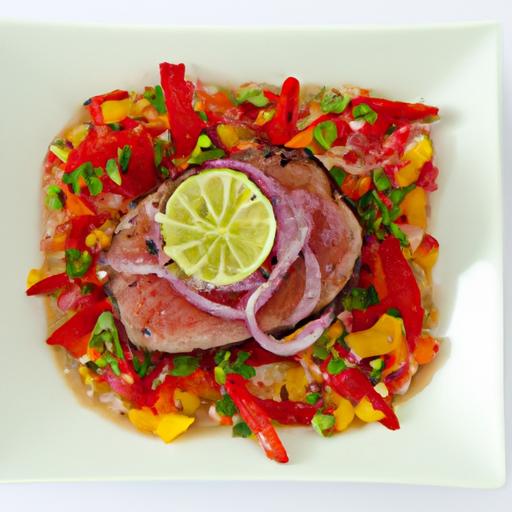

Beneath the vast, shimmering expanse of the Pacific lies a treasure both ancient and revered: the Hawaiian tuna. More than just a staple of island cuisine, this prized catch embodies the spirit of the ocean, weaving together cultural heritage, ecological balance, and the art of lasting fishing. From the shimmering schools that dance beneath Hawaiian waves too the skilled hands that harvest them, the story of Hawaiian tuna is as rich and deep as the waters they call home. Join us as we uncover the secrets of the Pacific’s most coveted fish, exploring its journey from ocean depths to dining tables, and discover why Hawaiian tuna remains a symbol of tradition, taste, and the delicate harmony between nature and humanity.
Hawaiian tuna holds a revered place in Pacific Island cuisine, infused with centuries of tradition and environmental wisdom. This prized catch,celebrated not only for its bold flavor but also for its cultural significance,embodies the spirit of sustainability and respect towards the ocean’s bounty. From the shimmering waters off the Hawaiian coast, native tuna species such as ahi (yellowfin and bigeye) have long provided nourishment and a connection to the island heritage. Embracing sustainable fishing practices today ensures that this culinary treasure continues to thrive for future generations, allowing home cooks and chefs alike to experience the unmistakable taste of the Pacific’s finest seafood.
Prep and Cook Time
- Readiness: 20 minutes
- Cooking: 10 minutes
- Total time: 30 minutes
Yield
Serves 4 eager seafood lovers
Difficulty Level
Medium - perfect for adventurous home cooks ready to savor fresh Hawaiian tuna’s distinct flavors
Ingredients
- 1 lb fresh Hawaiian ahi tuna steak, skin removed and cut into 1-inch cubes
- 2 tbsp soy sauce (preferably low sodium)
- 1 tbsp toasted sesame oil
- 1 tsp freshly grated ginger
- 2 green onions, thinly sliced
- 1 small avocado, diced
- 1/4 cup diced pineapple (fresh or unsweetened canned)
- 1 tbsp fresh lime juice
- 1 tsp shaved fresh seaweed (optional but authentic garnish)
- 1 tsp toasted sesame seeds
- Pinch of crushed red pepper flakes (optional, for a subtle kick)
- Cooked short-grain sushi rice or mixed greens for serving
instructions
- Prepare the marinade: In a medium bowl, whisk together the soy sauce, toasted sesame oil, grated ginger, and fresh lime juice until well combined.
- Marinate the tuna: Gently fold the cubed ahi tuna into the marinade, making sure each piece is coated. Cover tightly and refrigerate for 10-15 minutes to let the flavors infuse without ”cooking” the fish.
- Combine fresh ingredients: While the tuna marinates, in a separate bowl, mix the diced avocado, pineapple, and green onions for a vibrant contrast. Sprinkle with a pinch of crushed red pepper flakes if you prefer a subtle heat.
- Assemble the Hawaiian tuna poke: Carefully fold the marinated tuna into the avocado-pineapple mixture, preserving the integrity of the tuna cubes. Avoid overly stirring, as fresh ahi has a delicate texture that shines when handled gently.
- Serve: Spoon the poke over bowls of sushi rice or fresh mixed greens. Garnish with toasted sesame seeds and a sprinkle of shaved fresh seaweed for depth and a touch of island authenticity.
Tips for Success
- Choose sashimi-grade tuna: Freshness is paramount. Look for bright color and avoid any fish that smells overly fishy. hawaiian tuna should glisten with a deep red hue.
- Marination time: Keep it short to preserve tuna’s tender texture; over-marinating may result in a mushy consistency.
- Substitutions: If fresh pineapple isn’t available, a small amount of finely diced cucumber adds refreshing crunch.
- Make-ahead: Poke is best enjoyed fresh but can be prepared an hour ahead. Keep refrigerated and add avocado last to prevent browning.
- Visual presentation: use a clear glass bowl or layered serving glass to highlight the stunning color contrast of tuna, avocado, and pineapple.
Serving Suggestions
For an authentic Hawaiian experience, serve this dish alongside hawaiian macadamia nut potato salad or crisp seaweed salad. Garnish plates with edible flowers or thinly sliced scallions to elevate the presentation. Pair with chilled coconut water or a fresh passionfruit juice to complement the tuna’s vibrant flavor notes.

| Nutrient | Per Serving |
|---|---|
| Calories | 220 |
| Protein | 32g |
| Carbohydrates | 8g |
| Fat | 7g |
Learn more about the vitality of sustainable fishing practices shaping the future of Hawaiian tuna at the Monaco Seafood Sustainability Hub.
Q&A
Q&A: Hawaiian Tuna - Secrets of the Pacific’s Prized Catch
Q1: What makes Hawaiian tuna so special compared to other tuna varieties?
A1: Hawaiian tuna, especially the beloved ahi (yellowfin and bigeye), thrives in the nutrient-rich Pacific waters surrounding the islands. Its vibrant flavor, firm texture, and ideal fat content reflect both the pristine ocean surroundings and traditional Hawaiian fishing methods, which prioritize sustainability and respect for the sea. This combination creates a taste that’s clean,buttery,and deeply connected to the island’s culture.
Q2: How do hawaiian fishermen catch tuna, and why does it matter?
A2: Many Hawaiian fishermen still use traditional pole-and-line or handline techniques, casting with patience and skill rather than relying solely on industrial nets. This selective fishing minimizes bycatch, preserving delicate marine ecosystems while yielding higher-quality fish. It’s not just about catch size-it’s about honoring the ocean’s balance.
Q3: What are the best ways to prepare hawaiian tuna to highlight its unique qualities?
A3: Hawaiian tuna lends itself beautifully to simple preparations that showcase its natural flavor. Think seared ahi steaks with a light crust of sea salt and sesame, fresh poke bowls bursting with island-grown ingredients, or gently cured sashimi that highlights the fish’s silky texture. The key is to enhance without overpowering, letting the tuna’s freshness shine.
Q4: How does Hawaiian culture influence the way tuna is enjoyed?
A4: In Hawaii, tuna isn’t just food-it’s part of a living tradition. From ancient offerings to modern-day community gatherings, ahi is a symbol of connection to the ocean and to one another. Recipes often incorporate native seaweeds, fresh island fruits, and local greens, creating dishes that are as vibrant and balanced as the islands themselves.
Q5: What sustainability efforts are in place to protect Hawaiian tuna populations?
A5: Hawaii is a leader in sustainable seafood practices, with robust monitoring, quota systems, and community-driven conservation.Fishermen respect spawning seasons, protect nursery habitats, and collaborate with scientists to ensure tuna stocks remain healthy for generations to come.This stewardship ensures that the pacific’s prized catch continues to thrive.
Q6: Can you explain the difference between yellowfin and bigeye tuna caught in Hawaiian waters?
A6: Both yellowfin and bigeye tuna are celebrated in Hawaiian cuisine, but each brings distinct characteristics. Yellowfin tends to be leaner with a lighter color and milder flavor, making it perfect for crisp searing and fresh poke. Bigeye has a higher fat content,richer marbling,and deeper flavor,lending itself well to sashimi and slow-roasted dishes that benefit from its buttery texture.
Q7: How has the global popularity of Hawaiian tuna impacted local communities?
A7: The worldwide demand for Hawaiian tuna has sparked both possibility and challenge. While it has boosted local economies and raised awareness about Pacific seafood, it has also underscored the need for mindful harvesting and fair practices. Many Hawaiian fisheries now work directly with chefs and consumers to promote traceability, ensuring that the catch supports local livelihoods and ocean health alike.
Q8: What should consumers look for when buying Hawaiian tuna?
A8: When choosing Hawaiian tuna, freshness is paramount-look for firm flesh with a vibrant red or pink hue and a clean ocean aroma. Whenever possible,seek out sources that specify the catch method and location,favoring fish caught sustainably around the islands. Supporting local fishermen and trusted markets helps keep the tradition alive and oceans thriving.
Closing Remarks
As the sun sets over the vast Pacific, casting golden hues across the shimmering waters, hawaiian tuna remain the silent jewels of the ocean-symbols of nature’s bounty and cultural legacy intertwined. From their swift, graceful swims beneath the waves to the skilled hands that harvest them sustainably, these prized fish tell a story far richer than flavor alone. Exploring the secrets of Hawaiian tuna is not just a dive into marine biology or gastronomy; it’s an invitation to honor a delicate balance between tradition, ecology, and innovation. As we continue to cherish and protect these magnificent creatures, we ensure that the Pacific’s most coveted catch remains a vibrant thread in the tapestry of island life for generations to come.