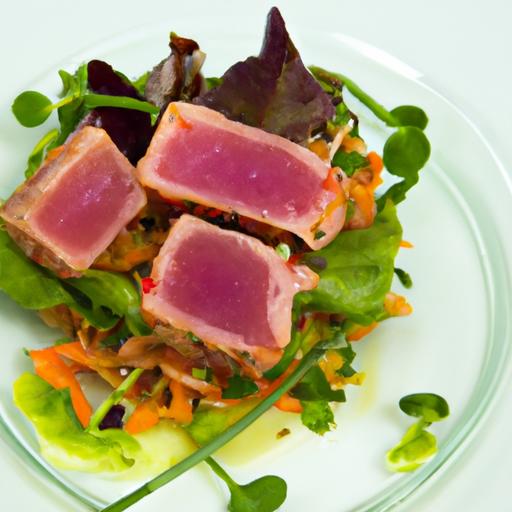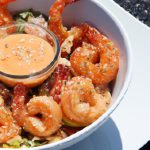

Beneath the shimmering waves of the Pacific, where ancient currents dance with vibrant marine life, lies a treasure that has long captivated the hearts and palates of Hawaiians-the Hawaiian tuna.More than just a catch, this oceanic gem weaves together a rich tapestry of flavor and tradition, embodying the spirit of the islands and their people. From pristine waters to bustling fish markets and family dining tables,the story of Hawaiian tuna unfolds as a interesting blend of cultural heritage and culinary excellence. Join us as we dive deep into the world of this exquisite fish, unveiling the secrets that make Hawaiian tuna not only a prized delicacy but a symbol of the enduring bond between ocean and island life.
Hawaiian Tuna captures the essence of the Pacific’s abundant waters and the deep-rooted traditions of island life, making it an unrivaled culinary treasure. Its legacy begins far before the plate reaches your table-a testament to generations of native fishermen who have sustainably harvested this ocean gem with reverence and skill. This legendary fish is more than a meal; it’s a connection to Hawaii’s vibrant culture and pristine marine ecosystem.
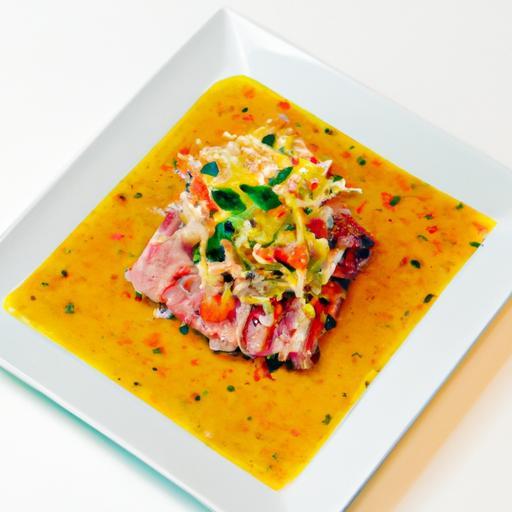
Prep and Cook Time
- planning: 20 minutes
- Cooking: 10 minutes
- total Time: 30 minutes
Yield
Serves 4
Difficulty Level
Medium
Ingredients
- 1 lb fresh Hawaiian tuna steak,sashimi-grade,cut into 1-inch cubes
- 3 tbsp soy sauce (preferably low sodium)
- 2 tbsp toasted sesame oil
- 1 tbsp freshly grated ginger
- 1 clove garlic,finely minced
- 1 small Maui onion,thinly sliced
- 1 tbsp green onions,chopped
- 1 tbsp freshly squeezed lime juice
- 1 tsp crushed Hawaiian sea salt
- 1 tsp crushed red chili flakes (optional,for heat)
- 1 ripe avocado,diced (for serving)
- 2 cups steamed jasmine rice or sushi rice
- 1 tbsp toasted sesame seeds,for garnish
Instructions
- Prepare the Hawaiian tuna: Ensure your Hawaiian tuna is chilled and freshly cubed. Pat dry with a paper towel to remove excess moisture-this helps achieve a clean flavor and better marinade absorption.
- Marinate the tuna: In a glass bowl, combine soy sauce, toasted sesame oil, grated ginger, minced garlic, lime juice, and crushed Hawaiian sea salt. Whisk gently until blended. Add the tuna cubes and sliced Maui onion; toss lightly to coat. cover and refrigerate for 15 minutes.This brief marinade heightens the signature oceanic flavor without overpowering it.
- Prepare the serving base: While the tuna marinates, cook jasmine rice according to package instructions.Fluff with a fork and keep warm.
- Assemble the poké bowl: Spoon a generous portion of warm jasmine rice into each bowl. Using a slotted spoon, transfer marinated tuna cubes and onions over the rice to avoid excess liquid.
- Add fresh elements: Top with diced ripe avocado, chopped green onions, and sprinkle toasted sesame seeds. If you crave a gentle spice, add crushed red chili flakes.
- Final touches: Serve instantly to savor the vibrant textures and fresh flavors of Hawaiian Tuna in its purest form.
Tips for Success
- Select fresh, sashimi-grade Hawaiian tuna from reputable suppliers to guarantee safety and optimal flavor.
- Marinate briefly-over-marinating can mask the delicate natural taste of the tuna.
- For a smoky twist, lightly sear the tuna cubes on each side for 20 seconds before marinating, enhancing texture while keeping the inside tender.
- Use Hawaii’s signature maui onions for authentic sweetness, but mild red onions are a fine substitute if unavailable.
- Prepare ingredients fresh and assemble just before serving to preserve the vibrant colors and flavors.
Serving Suggestions
Serve the Hawaiian tuna poké alongside crisp seaweed salad or pickled ginger for a refreshing contrast. A wedge of fresh lime on the side enhances the bright, zesty notes. Garnish with edible flowers or microgreens to elevate presentation and infuse subtle herbal aromas. Pair with chilled coconut water or a tropical fruit smoothie for a complete island-inspired experience.

| Nutrient | Per Serving |
|---|---|
| Calories | 320 kcal |
| Protein | 36 g |
| Carbohydrates | 15 g |
| Fat | 12 g |
For deeper insight on enduring seafood practices and why choosing Hawaiian tuna matters, explore Monterey Bay Aquarium’s Seafood Watch. To broaden your culinary journey, visit our Traditional Hawaiian Recipes collection.
Q&A
Q&A: Hawaiian Tuna – Ocean’s Gem of Flavor and Tradition Unveiled
Q1: What makes Hawaiian tuna so special compared to othre types of tuna?
A1: Hawaiian tuna, especially the prized Ahi (Yellowfin and Bigeye), is renowned for its vibrant flavor and buttery texture. The nutrient-rich Pacific waters around the Hawaiian Islands provide an ideal habitat, giving this tuna a distinctively clean, rich taste that reflects the ocean’s purity.its deep red flesh is a hallmark of freshness and quality, frequently enough celebrated in both traditional Hawaiian cuisine and contemporary dishes worldwide.
Q2: How is Hawaiian tuna traditionally harvested?
A2: Traditional Hawaiian fishing methods honor the balance between people and the sea. Fishermen often use sustainable techniques like handline fishing or troll fishing,allowing targeted catches without overwhelming the ecosystem. this respectful approach not only preserves tuna populations but also ensures the highest quality of fish,maintaining the cultural and ecological integrity of Hawai’i’s waters.Q3: Can you explain the cultural significance of tuna in Hawaiian traditions?
A3: Tuna holds a revered place in Hawaiian culture, symbolizing abundance and connection to the ocean. Historically,it featured prominently in the diet of Native Hawaiians,but beyond its nutritional value,tuna was central to rituals,storytelling,and community gatherings.It embodies the aloha spirit-respect for nature, gratitude for sustenance, and unity. Many Hawaiian legends celebrate the bounty of the sea,with tuna as a recurring hero of the ocean’s generosity.
Q4: What are some popular traditional hawaiian dishes that highlight the flavor of tuna?
A4: Poke bowls are perhaps the most iconic Hawaiian tuna dishes, featuring cubed raw tuna marinated simply with ingredients like sea salt, limu (seaweed), and kukui nut oil to enhance its natural flavor. Another traditional preparation is “lomi-lomi” tuna, where salted raw tuna is combined with diced tomatoes and onions, offering a refreshing balance of flavors. These dishes celebrate the fish’s freshness and delicate texture, preserving the harmony between taste and tradition.
Q5: How does the ocean surroundings around Hawaii influence the taste of its tuna?
A5: The Pacific Ocean currents around Hawaii create nutrient-rich waters teeming with plankton, the primary food source for tuna. this abundance sustains vigorous, healthy fish whose flavors develop uniquely in response to this environment. The slightly cooler, clear waters contribute to a firm yet tender flesh with a clean, mildly sweet oceanic taste-qualities that define Hawaiian tuna’s coveted flavor profile.Q6: Is Hawaiian tuna considered a sustainable seafood choice?
A6: Sustainability is a key focus for fisheries in Hawaii. Many tuna fisheries operate under strict regulations,including quotas,seasonal closures,and size limits to protect breeding populations.Additionally, community-based practices prioritize long-term ocean health. Thus, when sourced through certified local fisheries practicing responsible harvesting, Hawaiian tuna can be both an ecologically mindful and delicious seafood option.
Q7: How can home cooks best appreciate Hawaiian tuna’s unique qualities?
A7: To truly savor Hawaiian tuna, simplicity is key. Fresh tuna shines when treated with minimal seasoning and gentle preparation, such as light searing, slicing thin for sashimi, or marinating briefly for poke. Using fresh, quality ingredients like sea salt, citrus (such as kalamansi or lime), and local seaweed allows the natural flavors to emerge. Pairing with fragrant jasmine rice or crisp tropical vegetables can further elevate the dining experience.
Q8: What is the outlook for Hawaiian tuna in the future of culinary and cultural traditions?
A8: Hawaiian tuna continues to inspire chefs and cultural practitioners alike, blending ancient customs with innovative cooking techniques. As awareness of ocean conservation grows, the emphasis on sustainable harvesting and honoring indigenous knowledge strengthens the bond between people and the sea.This enduring relationship promises to keep Hawaiian tuna both a treasured ingredient and a symbol of respect for nature’s generous gifts, ensuring its legacy for generations to come.
The conclusion
As the sun sets over the vast Pacific,hawaiian tuna remains a shimmering testament to the island’s rich maritime heritage and vibrant culinary tapestry. This ocean’s gem, with its delicate yet powerful flavors, continues to bridge tradition and innovation, inviting us all to savor not just a meal, but a story steeped in culture and respect for nature. Whether enjoyed fresh from the shores or crafted into contemporary dishes,Hawaiian tuna embodies more than just taste-it is indeed a living symbol of the ocean’s bounty and the enduring spirit of the islands. As we uncover its depths, we are reminded that each bite is a festivity of history, sustainability, and the timeless bond between people and the sea.