
In the vast and vibrant world of pasta, few shapes captivate the senses quite like fettuccine. Thes flat, ribbon-like noodles weave tales of culinary tradition and cultural artistry, stretching back centuries to the heart of Italian cuisine. “Fettuccine Unveiled: The Art and History of Ribbon Noodles” invites you on a flavorful journey-unraveling the origins, techniques, and timeless appeal of this beloved pasta. From humble beginnings in rustic kitchens to its place on elegant dining tables worldwide, fettuccine is more than just a noodle; it is a symbol of craftsmanship, heritage, and the enduring joy of Italian gastronomy. Let’s dive into the fascinating story behind every silky strand.
Fettuccine holds a cherished place in Italian cuisine, symbolizing both tradition and culinary artistry. This beloved ribbon noodle, hailing from the heart of Tuscany and Lazio regions, invites you to explore a pasta experience defined by its wide, flat texture that perfectly cradles rich sauces. Growing up in a family passionate about handmade pastas, I was fascinated by how simple ingredients-flour, eggs, and a touch of olive oil-could transform into elegant ribbons embodying generations of culture and flavor.
Prep and Cook Time
- preparation: 25 minutes
- cooking: 3-4 minutes
- Total Time: 30 minutes
Yield
Serves 4 generous portions
Difficulty Level
Medium – Ideal for home cooks ready to elevate their pasta-making skills
Ingredients
- 2 cups all-purpose flour, sifted
- 3 large fresh eggs (room temperature)
- 1 tablespoon extra virgin olive oil
- 1/2 teaspoon fine sea salt
- Semolina flour for dusting (optional)
Instructions
- Prepare the dough: On a clean surface, create a mound of the sifted all-purpose flour and hollow out a well in the center. Crack the eggs into the well, add olive oil and sea salt. Using a fork, gently whisk the eggs, gradually incorporating the flour from the edges.
- Knead the dough: Once the dough begins to come together, use your hands to knead it vigorously for about 10 minutes until smooth and elastic. The dough should be slightly tacky but not sticky. Wrap it tightly in plastic wrap and allow it to rest at room temperature for 20 minutes.
- Roll out the dough: Lightly flour your work surface with semolina flour. Divide the dough into two portions. Flatten one piece and, using a rolling pin or pasta machine, roll the dough to approximately 1/16-inch thickness. Maintain even thickness for consistent cooking.
- cut the fettuccine ribbons: Using a sharp knife or pasta cutter, slice the dough into 1/4-inch wide strips.Gently lift and toss the noodles in a small amount of semolina flour to prevent sticking. Repeat with the remaining dough.
- Cook the pasta: Bring a large pot of salted water to a rolling boil. Add the fresh fettuccine ribbons and cook for 3-4 minutes until al dente-tender but with a subtle bite. drain the pasta, reserving a cup of pasta water.
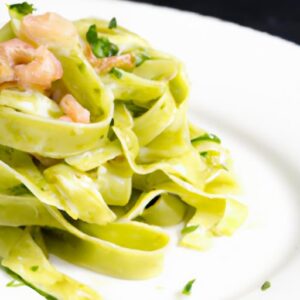
- Toss with sauce: Immediately, toss the cooked fettuccine with your chosen sauce, adding reserved pasta water as needed to achieve a silky texture that clings lovingly to every ribbon.
Tips for Success
- Flour selection: While all-purpose flour yields tender ribbons, blending with 1/2 cup of semolina flour adds a pleasant chewiness reminiscent of authentic Italian pasta.
- Resting the dough is essential-it relaxes the gluten,making rolling easier and preventing tough noodles.
- Rolling thinly and evenly is key to texture. If using a pasta machine, progress slowly through the settings to avoid tearing.
- Fresh egg quality dramatically influences flavor and color; opt for organic or free-range for vibrant results.
- Make-ahead: Uncooked fettuccine can be dried on a rack for up to 24 hours or frozen in airtight bags for longer storage.
- Storing cooked pasta: Briefly rinse under warm water before tossing with a drizzle of olive oil to prevent clumping if not served immediately.
sauce Pairings That Elevate Fettuccine
Fettuccine’s broad surface invites a spectrum of sauces, each bestowing unique depth and personality. Customary favorites like creamy Alfredo or zesty Pomodoro showcase its ability to hold rich textures and luminous acidity. Contemporary pairings such as a roasted garlic and sage brown butter or a vibrant lemon herb pesto elevate the experience, offering contrasting freshness and silky richness. Remember to finish your sauce with pasta water-a simple trick creating that coveted emulsion so the ribbons glisten and cling effortlessly.
Serving Suggestions and Presentation Tips
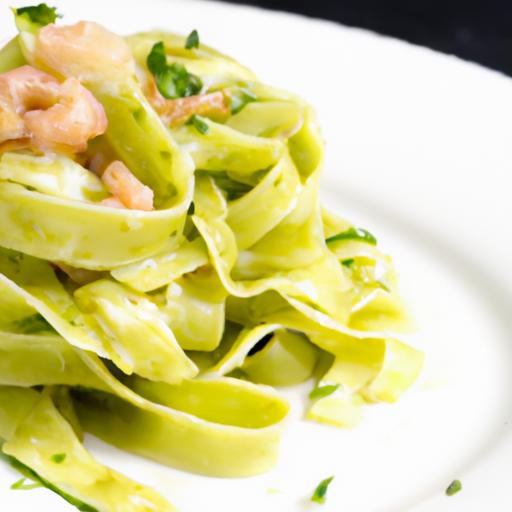
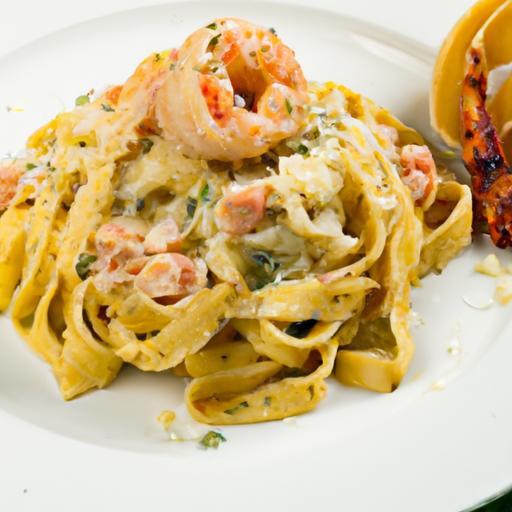
Presentation transforms a humble meal into a feast. Serve fettuccine gently twirled into a neat mound,plated wide rather than stacked tall to highlight those elegant ribbons. Garnish generously with freshly grated Parmigiano-Reggiano, a scattering of toasted pine nuts, or vibrant torn basil leaves to introduce color and texture. A drizzle of high-quality extra virgin olive oil adds gloss and underlines the artisanal craftsmanship.
For an Instagram-worthy touch, use a shallow white bowl to provide contrast against the golden pasta, and sprinkle crushed red pepper flakes or lemon zest atop for visual sparkle and aromatic complexity. Pair with crusty artisan bread and a light side salad to round out the meal harmoniously.
| Nutrient | Per serving |
|---|---|
| Calories | 380 kcal |
| Protein | 12 g |
| Carbohydrates | 62 g |
| Fat | 6 g |

For a deeper dive into Italian pasta traditions and pairing ideas, explore our Italian Pasta Guide. To understand the science behind pasta dough elasticity, Serious Eats offers an excellent clarification.
Q&A
Q&A: Fettuccine Unveiled: The Art and History of Ribbon noodles
Q1: What exactly is fettuccine, and what makes it unique among pasta varieties?
A: Fettuccine is a traditional Italian pasta characterized by its long, flat ribbons, typically about ¼ inch wide. Unlike round pastas like spaghetti, its broad surface makes it ideal for holding onto rich, creamy sauces, offering a delightful textural experience. Its versatility and elegant shape have cemented fettuccine as a beloved staple in Italian cuisine.
Q2: Where did fettuccine originate, and how did it become popular?
A: Fettuccine traces its roots to the Lazio region, notably Rome, where it was long celebrated as a hearty dish meant to satisfy both common folk and nobility. The simplicity of flour and egg dough combined with its ability to pair with luxurious sauces made it a symbol of Roman culinary tradition.Its popularity spread globally through Italian immigrants and an expanding appreciation for Mediterranean flavors.
Q3: How is authentic fettuccine traditionally made?
A: Authentic fettuccine is crafted by mixing high-quality flour-often “00” flour-with fresh eggs to form a pliable dough.this dough is rolled out thinly by hand or machine, then carefully cut into uniform strips resembling ribbons. The finesse in cutting ensures even cooking and an elegant presentation. Traditionally, it’s cooked al dente, preserving a slight firmness to each strand.
Q4: What cooking techniques bring out the best in fettuccine?
A: Cooking fettuccine to al dente perfection-meaning tender but still firm to the bite-is key. This texture allows it to absorb sauces while maintaining structure. Tossing freshly cooked fettuccine with warm sauces immediately after draining helps the pasta integrate flavors seamlessly. Gentle folding rather than stirring preserves the noodles’ shape and luxurious mouthfeel.
Q5: Are there any fascinating ancient anecdotes linked to fettuccine?
A: Indeed! One charming story dates back to the early 20th century when famed actress and singer Rudolph Valentino reportedly sent a string of fettuccine to a restaurant in a romantic gesture, popularizing the noodle’s association with Italian elegance worldwide. While perhaps more legend than fact, it highlights fettuccine’s role beyond sustenance-as a cultural and emotional symbol.
Q6: What are some vegetarian sauce pairings that enhance the flavor of fettuccine?
A: Fettuccine shines with a variety of vegetarian sauces. Classic examples include rich mushroom ragùs, vibrant tomato and basil blends, or creamy Alfredo-style sauces made with butter, cream, and Parmesan cheese. Nut-based pestos, incorporating basil, pine nuts, and olive oil, also create a fresh, aromatic contrast to the pasta’s richness.
Q7: Can fettuccine be adapted for gluten-free diets without losing its character?
A: Absolutely. While traditional fettuccine relies on wheat flour, gluten-free alternatives made from rice, corn, or legume flours are increasingly available. The key is to choose blends that offer elasticity and bite similar to wheat dough. While texture may vary slightly, skillful preparation can yield a satisfying ribbon noodle experience suitable for gluten sensitivities.
Q8: How does the shape and texture of fettuccine influence its role in culinary artistry?
A: Fettuccine’s broad, flat ribbons provide a generous canvas for sauces, allowing chefs to showcase complex flavors and textures harmoniously. The noodle’s supple yet firm bite elevates the dining experience, inviting a mindful appreciation of each mouthful. Its aesthetic simplicity also lends itself beautifully to elegant plating, turning an everyday dish into a visual feast.
Q9: What tips would you offer someone making fettuccine at home for the first time?
A: Start with the freshest eggs and finest flour you can find-quality ingredients transform simple dough into something unusual. Take your time rolling the dough thinly and evenly, as thickness affects cooking time and texture. Use a sharp knife or pasta cutter for clean edges, and don’t overcrowd the pot when boiling. taste as you go: cooking pasta to al dente perfection is an art worth mastering.
Q10: In what ways has fettuccine influenced or been integrated into global cuisines?
A: As its ascent from regional Italian fare, fettuccine has inspired countless adaptations worldwide. From creamy, vegetable-laden variations in North America to spicy, herb-infused renditions in other Mediterranean cultures, the noodle has become a versatile canvas for culinary creativity. Its form invites fusion, balancing tradition with innovation to suit diverse palates.
This Q&A explores fettuccine as both a culinary craft and cultural treasure-inviting enthusiasts to savor its storied past and appetizing present.
Future Outlook
as the delicate ribbons of fettuccine continue to twirl their way from rustic Italian kitchens to tables around the world, their story remains a testament to the marriage of tradition and artistry. More than just noodles, fettuccine embodies centuries of culinary passion-each strand a thread weaving together history, culture, and craft. Whether dressed in a rich Alfredo sauce or a simple drizzle of olive oil and herbs, these elegant ribbons invite us to savor not just a meal, but a narrative steeped in heritage. So next time you lift your fork to that glossy, golden tangle, take a moment to appreciate the timeless art behind every bite-fettuccine, truly unveiled.