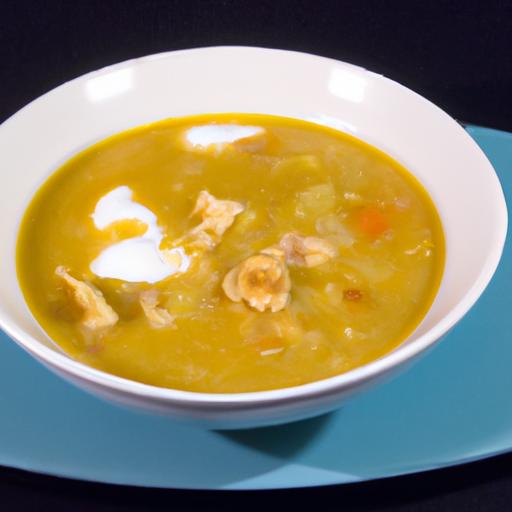

Egg drop soup, with its delicate ribbons of silken egg swirling through a fragrant broth, has long been a comforting staple in kitchens around the world.
But behind this seemingly simple dish lies a fascinating blend of artistry and precision-where timing, technique, and a deep understanding of ingredients converge to create the perfect bowl.Whether you’re a seasoned cook or a curious food lover,exploring the science and subtle nuances behind egg drop soup reveals how a few humble ingredients transform into a dish that is as much about texture and temperature as it is about flavor.Join us as we unravel the secrets and celebrate the craft that turns everyday eggs and broth into a culinary masterpiece.
The Art and Science Behind Perfect Egg Drop Soup Recipes
Egg drop soup is a timeless comfort dish that marries simplicity with elegance,and mastering the art and science behind perfect egg drop soup recipes elevates this humble soup to a delicacy. Rooted in Chinese culinary tradition, its silk-like strands of egg suspended in savory broth create a sensory experience both soothing and refined. Whether it’s a fast lunch or the grand finale of an Asian-inspired feast,understanding the balance of ingredients,the technique of egg pouring,and the essence of broth preparation is essential to capturing that flawless texture and depth of flavor.
Prep and Cook Time
- Preparation: 10 minutes
- Cooking: 15 minutes
- Total Time: 25 minutes
Yield
Serves 4 generous bowls
Difficulty Level
Easy to Medium - perfect for all skill levels with small but critically important technique steps
Ingredients
- 4 cups chicken broth (preferably homemade or low-sodium for full control over saltiness)
- 3 large eggs, lightly beaten
- 1 tablespoon cornstarch mixed with 2 tablespoons cold water (slurry)
- 1 teaspoon grated fresh ginger
- 1 teaspoon soy sauce (adjust for saltiness)
- 1/4 teaspoon white pepper for gentle heat
- 2 green onions, finely sliced
- 1 teaspoon toasted sesame oil
- Pinch of salt, to taste
- Optional: 1/2 cup corn kernels or finely diced tofu for texture
Instructions
- bring the broth to a gentle boil in a medium saucepan over medium heat. Add the grated ginger and soy sauce for early flavor infusion.
- stir the cornstarch slurry into the broth slowly to slightly thicken it, creating a velvety base. Keep stirring gently to ensure there are no lumps.
- lower the heat to a simmer-this is critical to avoid scrambling the eggs too quickly.
- Hold the beaten eggs in one hand and a fork (or chopsticks) in the other for whisking.
- Slowly drizzle the eggs into the simmering broth in a thin stream. While pouring, move your fork or chopsticks in a circular motion to form those signature silky ribbons and delicate egg “flowers.”
- Turn off the heat instantly once all eggs have been added and have just set. This prevents toughness and preserves the silky texture.
- Season with white pepper and a pinch of salt, then stir in the toasted sesame oil for a fragrant finish.
- Ladle the soup into individual bowls and garnish with finely sliced green onions and optional ingredients like corn or tofu for an added layer of texture.
Tips for success When Mastering the Technique of Egg Pouring
- Pour slowly: The thinner the egg stream, the finer and silkier the strands will be.
- Consistent stirring: gently swirling your utensil creates varied ribbon patterns and avoids clumps.
- Temperature control: A simmer, not a rolling boil, is the key to perfect egg texture.
- Beat eggs lightly: Too much air causes larger bubbles, which alters the silky structure.
- Use fresh eggs: Fresh eggs yield better ribbons with a richer color.
The science of Broth Preparation and Flavor Infusion
the backbone of any stellar egg drop soup is its broth-where flavor and clarity must coexist. Using homemade chicken broth is ideal as its natural gelatin imparts a light body without cloudiness. The gentle infusion of fresh ginger brightens the broth while balancing richness with a subtle zing. Adding a cornstarch slurry thickens the broth slightly, allowing it to hold the suspended egg ribbons gracefully without weighing them down.
Tips and Tricks for Elevating Your Egg Drop Soup to Restaurant Quality
- Upgrade your broth: Simmer chicken carcasses with aromatics (onion, celery, carrot) for several hours to add complexity.
- Season in layers: Adjust salt and pepper after egg ribbons set to avoid over-seasoning.
- Oil infusion: Drizzle a little chili oil or garlic-infused sesame oil tableside for a burst of flavor.
- Textural contrast: Add finely diced shiitake mushrooms or blanched spinach for depth.
- Visual appeal: Garnish with fresh herbs like cilantro or a sprinkle of toasted white sesame seeds to elevate presentation.
serving Suggestions
Serve this egg drop soup steaming hot in delicate bowls, accompanied by a side of scallion pancakes or steamed dumplings for a balanced meal. A small dish of pickled vegetables or a simple cucumber salad adds brightness alongside the smooth textures. Finish the presentation with a drizzle of chili oil and extra fresh green onions for those who love an extra kick.
| Nutrient | Per Serving |
|---|---|
| Calories | 120 |
| Protein | 9g |
| Carbohydrates | 5g |
| Fat | 7g |

For an in-depth guide on making your own homemade chicken broth, check out our related article to perfect your soup foundation. To understand the science behind starch thickening,visit ScienceDaily’s cornstarch explanations.
Q&A
Q&A: The Art and Science Behind Perfect Egg Drop Soup Recipes
Q1: What makes egg drop soup such a beloved classic in Chinese cuisine?
A1: Egg drop soup’s charm lies in its simplicity and silky texture. It’s a humble blend of broth and beaten eggs creating delicate ribbons that swirl like liquid gold. This fusion of texture and flavor offers comfort and elegance in every spoonful, making it a timeless favorite.
Q2: How does the chemistry of eggs affect the soup’s texture?
A2: Eggs contain proteins that coagulate when heated,transforming from liquid to a tender,curd-like structure. The precise control of temperature ensures these proteins gently set without becoming rubbery, producing those signature silky strands that float in the broth.
Q3: Why is the temperature of the broth crucial when adding the eggs?
A3: If the broth is too hot, the eggs scramble too rapidly, resulting in clumpy textures rather than smooth ribbons. If it’s too cool, the eggs won’t cook quickly enough, losing that silken appearance.the ideal temperature allows gradual coagulation, creating elegant, feather-light egg ribbons.
Q4: What techniques enhance the ribbon effect of the eggs?
A4: Slowly drizzling beaten eggs with a fork or chopsticks while continuously stirring the simmering broth encourages the eggs to form thin, delicate strands.Gentle, consistent stirring helps distribute the eggs evenly, turning simple beaten eggs into a mesmerizing “egg flower” effect.
Q5: Beyond eggs and broth, how do seasonings impact the flavor profile?
A5: Seasonings like ginger, white pepper, sesame oil, and scallions elevate the soup’s subtle base, adding warmth, spice, and depth. The right balance ensures the eggs’ delicate flavor shines through while enhancing the broth’s complexity.
Q6: Can the broth type change the character of egg drop soup?
A6: Absolutely! Traditional chicken broth provides a rich, savory backbone, but vegetable or mushroom broths introduce earthiness and umami, offering delightful variations. The broth choice sets the soup’s personality, from light and clear to robust and hearty.
Q7: How does the ratio of eggs to broth affect the final dish?
A7: A delicate dance: too many eggs overwhelm the broth, becoming dense rather than silky, while too few create a watery base lacking-bodied mouthfeel. Achieving the perfect harmony yields a luscious,silky soup that balances richness and lightness.
Q8: Are there any modern twists on the classic egg drop soup?
A8: Yes! Contemporary chefs experiment with ingredients like tofu, crab meat, corn, or even a touch of cream to add texture and flavor layers. Fusion versions might incorporate spices like turmeric for color or coconut milk for a creamy twist, blending tradition with innovation.
Q9: What’s a common mistake to avoid when making egg drop soup?
A9: One frequent pitfall is rushing the egg pouring process or adding cold eggs straight from the fridge,which can cause uneven cooking or clumping. Room temperature eggs and a slow, steady drizzle into the gently simmering broth are key for the perfect silky strands.
Q10: Why is mastering egg drop soup considered both an art and a science?
A10: It’s science because the conversion relies on precise temperature control and understanding egg protein behavior. It’s art because technique-the manner of pouring, stirring, and seasoning-creates delicate textures and flavors that delight the senses. Mastery means blending both for a soup that’s simple yet sublime.
In Conclusion
Mastering the perfect egg drop soup is both an art and a science-a delicate dance between timing, technique, and temperature. As you stir that golden ribbon of egg into simmering broth,you’re not just crafting a dish; you’re blending culinary tradition with precise chemistry. Whether you prefer a silky, wispy texture or a heartier, cloud-like swirl, understanding the why behind each step elevates your cooking from mere recipe-following to a creative ritual. So next time you ladle that steaming bowl, savor the harmony of science and artistry brewed within-because the perfect egg drop soup is more than comfort food; it’s a masterpiece in a bowl.