
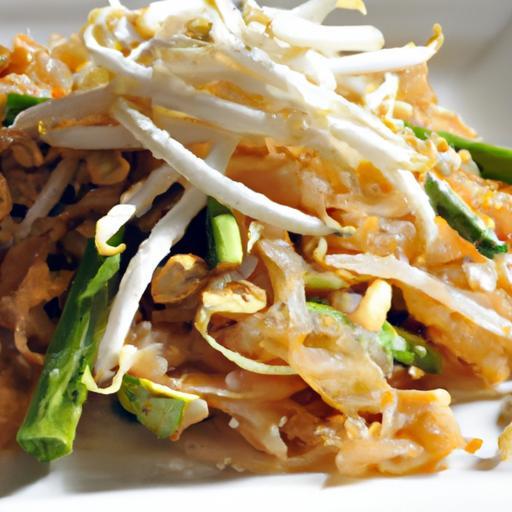
Luminous, vibrant, and bursting with flavor, Pad Thai has long been a beloved staple of Thai cuisine. But what if you could enjoy this iconic dish without teh heaviness and calorie overload? Enter the deliciously light world of low-calorie veggie Pad Thai-a fresh, nourishing twist that brings all the tangy, sweet, and savory notes you crave, while keeping things healthy and guilt-free. Perfect for those seeking a wholesome meal that satisfies both the palate and the waistline,this veggie-packed version reimagines tradition with wholesome ingredients and vibrant colors,proving that eating well never means sacrificing taste. Join us as we dive into the art of crafting this vibrant dish, perfect for anyone eager to indulge in flavorful eats that fuel the body and delight the senses.
- Exploring the Fresh Flavors That Define Veggie Pad Thai
- key Ingredients That Keep the Dish Light and Nutrient-Packed
- Prep and Cook Time
- Yield
- Difficulty Level
- Ingredients
- Step-by-Step Guide to Perfecting Your Low-Calorie Pad Thai
- Tips for Customizing Your Meal Without Adding Extra Calories
- Serving Suggestions
- Q&A
- The Conclusion
Exploring the Fresh Flavors That Define Veggie Pad Thai
Deliciously light Low-Cal Veggie Pad Thai brings the iconic flavors of Thailand’s beloved street food into a wholesome, vibrant bowl that’s both nourishing and refreshingly light. Originating as a classic Thai stir-fried noodle dish balancing sweet,sour,and savory notes,this low-calorie twist elevates fresh vegetables and zesty seasonings to the spotlight. The combination of crunchy bean sprouts, crisp bell peppers, and tangy lime juice creates a symphony of textures and tastes that awaken the palate without heaviness. Personal memories of bustling night markets inspired this recipe, where every bite bursts with delightful contrasts and satisfying umami-now yours to savor in a guilt-free, nutrient-packed meal.
key Ingredients That Keep the Dish Light and Nutrient-Packed
- Rice noodles: Thin and delicate, these provide the perfect tender base that absorbs the vibrant sauce without added calories.
- Tofu: Firm, cubed tofu delivers plant-based protein and a satisfying bite, soaking up the flavors beautifully.
- Fresh vegetables: A colorful mix of julienned carrots, sliced red bell peppers, and crunchy bean sprouts add essential vitamins and minerals.
- Garlic and green onions: Aromatic and sharp, they create the fragrant foundation of the dish.
- Low-sodium tamarind paste: This key sour component highlights authentic tanginess while keeping sodium in check.
- Light soy sauce and fresh lime juice: These balance the dish with subtle saltiness and bright acidity, lifting every bite.
- Chopped peanuts: Added just before serving, these give a delightful crunch and richness, enhancing texture without overwhelming calories.
- Fresh herbs: Cilantro and Thai basil add fresh bursts of herbal complexity and aroma.
Prep and Cook Time
- Readiness: 15 minutes
- Cooking: 15 minutes
- Total Time: 30 minutes
Yield
Serves 4 generous portions
Difficulty Level
Easy – perfect for a weeknight healthy dinner or quick lunch
Ingredients
- 6 oz (170 g) rice noodles, soaked in warm water for 10 minutes and drained
- 1 tbsp vegetable oil or avocado oil
- 200 g firm tofu, cubed
- 3 cloves garlic, finely minced
- 3 green onions, sliced diagonally
- 1 cup julienned carrots
- 1 cup thinly sliced red bell peppers
- 1 cup bean sprouts, rinsed
- 2 tbsp low-sodium soy sauce
- 1 tbsp tamarind paste
- 1 tbsp maple syrup or agave nectar
- 1 tbsp freshly squeezed lime juice
- 1/4 cup chopped roasted peanuts
- Fresh cilantro and Thai basil leaves for garnish
- Red chili flakes (optional), for heat
Step-by-Step Guide to Perfecting Your Low-Calorie Pad Thai
- Prepare the noodles: soak the rice noodles in warm water for 10 minutes until they’re pliable but still slightly firm. Drain thoroughly to prevent sogginess.
- Cook the tofu: Heat oil in a large non-stick skillet or wok over medium-high heat. Add the tofu cubes and sauté until golden brown on all sides, about 5 minutes. Remove and set aside.
- Build the flavor base: Using the same pan, add minced garlic and sliced green onions. Sauté for 1-2 minutes until fragrant but not browned.
- Add the veggies: Toss in carrots and bell peppers. Stir-fry for 3-4 minutes until they soften slightly but retain crunch.
- Combine noodles and sauce: Add soaked noodles, tofu, soy sauce, tamarind paste, and maple syrup.Toss carefully to coat everything evenly, heating through for 2-3 minutes. The sauce should lightly glaze the noodles without pooling.
- Finish with fresh ingredients: Remove from heat, stir in lime juice and bean sprouts. Toss gently to combine and maintain freshness.
- Plate and garnish: Serve immediately, sprinkled with chopped peanuts, extra green onions, and fresh herbs.Add red chili flakes for an optional kick.
Tips for Customizing Your Meal Without Adding Extra Calories
- Swap tofu for edamame or chickpeas to vary your protein source while keeping it plant-based and light.
- Boost the vegetable volume: Incorporate finely shredded cabbage, snap peas, or zucchini ribbons to increase fiber and bulk without calories.
- Use a low-sodium soy sauce or tamari to keep the dish heart-healthy and reduce sodium intake.
- Skip oil-free stir-frying: For an ultra-light option, sauté vegetables with a small splash of vegetable broth rather of oil, then toss in the noodles just before serving.
- Add fresh lime wedges at table: Letting everyone squeeze their own lime juice keeps the flavor vibrant and customizable.
- For extra zing,try fresh grated ginger during the initial sauté to add warmth and depth without calories.
- Make ahead: Prepare sauce and chop veggies in advance for quick assembly on busy days.
Serving Suggestions
Present your Deliciously Light Low-Cal Veggie Pad Thai in wide shallow bowls to showcase the colorful medley of textures. Garnish generously with chopped peanuts and fresh herbs to provide striking contrast and fresh aroma. Accompany with crisp cucumber slices or a simple green papaya salad on the side for a classic Thai flair. A small bowl of extra lime wedges and chili flakes invites guests to personalize their heat and acidity. For drinks, pair this dish with a refreshing iced green tea or sparkling water infused with sliced citrus for a balanced, light meal experience.
| Nutrient | Per Serving |
|---|---|
| Calories | 320 kcal |
| Protein | 18 g |
| Carbohydrates | 40 g |
| Fat | 8 g |

Explore more healthy Asian-inspired meals like our Healthy Chicken Teriyaki Bowl for variety in your wholesome weeknight repertoire.For an in-depth look at the benefits of tamarind paste in conventional cuisines, visit Nutrition Value.
Q&A
Q&A: deliciously Light – Low-Cal Veggie Pad Thai for Healthy Eats
Q1: What makes this Veggie Pad thai “deliciously light”?
A: This version of Pad Thai swaps out heavy oils and fried noodles for fresh, vibrant veggies and lightly sautéed rice noodles. By focusing on nutrient-dense, low-calorie ingredients and a tangy, flavor-packed sauce, it delivers the classic Pad Thai taste without the calorie overload, leaving you satisfied but not weighed down.
Q2: Which vegetables work best in a light Pad Thai?
A: crunchy, colorful veggies are the stars here-think crisp bell peppers, shredded carrots, zucchini ribbons, and snap peas. These add texture, freshness, and natural sweetness that balance the savory sauce and noodles beautifully.
Q3: How can I ensure my Pad Thai stays low-calorie yet flavorful?
A: Use minimal oil-opt for a quick stir-fry in a nonstick pan or wok.Rely on fresh herbs like cilantro and green onions, plus a lively sauce made from tamarind paste, lime juice, a touch of natural sweetener, and chili for a zesty kick. these layers of flavor keep the dish exciting without extra calories.Q4: Can I make this Veggie Pad Thai gluten-free?
A: Absolutely! Simply choose rice noodles labeled gluten-free and double-check that your tamari or soy sauce alternative is gluten-free as well. This way, you keep the dish accessible for gluten-sensitive eaters without sacrificing taste.
Q5: What protein options complement this vegetarian pad Thai?
A: To keep it light and wholesome, consider adding tofu-pressed and pan-seared for a golden crust-or a handful of roasted chickpeas for crunch. These plant-based proteins blend seamlessly with the noodles and veggies while boosting the nutritional profile.
Q6: Is this dish suitable for meal prep?
A: Yes! The flavors actually deepen after resting,making it ideal for make-ahead lunches or dinners. Pack the sauce separately if possible to keep the noodles from getting mushy, and toss everything together just before eating for that fresh Pad Thai experience.
Q7: How can I customize the heat level in this recipe?
A: Adjust the spice by adding more or less crushed red pepper flakes or fresh chopped chilies. For a milder version, omit them entirely and add a squeeze of lime to brighten the dish without the burn.
Q8: what’s the key to achieving that classic Pad Thai tang without the calories?
A: It’s all in the balance: tamarind paste offers that iconic tartness,lime juice brings fresh acidity,and a hint of natural sweetness from honey or maple syrup rounds it out. Together, these flavors mimic the traditional taste without relying on sugary sauces with hidden calories.
Q9: can this recipe be adapted for kids or picky eaters?
A: Definitely! Milden the spice and sneak in veggies finely chopped or julienned to blend with the noodles. The sweet-savory sauce often wins over little taste buds, and involving kids in the cooking can make them more excited to try colorful, healthy ingredients.
Q10: What sides pair well with this light Veggie Pad Thai?
A: Keep the meal balanced with a simple cucumber salad, steamed edamame, or fresh mango slices for a tropical finish. These light accompaniments complement the flavors without piling on extra heaviness.
The Conclusion
As you’ve discovered, enjoying the vibrant flavors of Pad thai doesn’t mean sacrificing your health goals. This deliciously light, low-calorie veggie version brings all the tangy, nutty goodness you crave-without the guilt.Whether you’re a longtime fan of Thai cuisine or simply seeking a nutritious twist on a classic favorite, this recipe proves that healthy eating can be both satisfying and exciting. So next time you’re craving a flavorful meal that fuels your body and delights your taste buds, give this veggie Pad Thai a try-it’s a vibrant step toward a healthier, happier you.