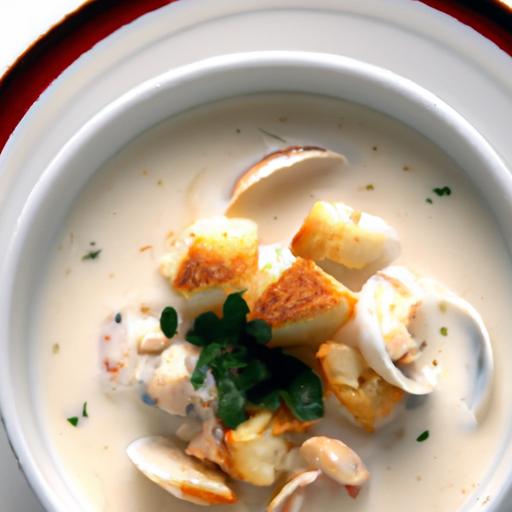

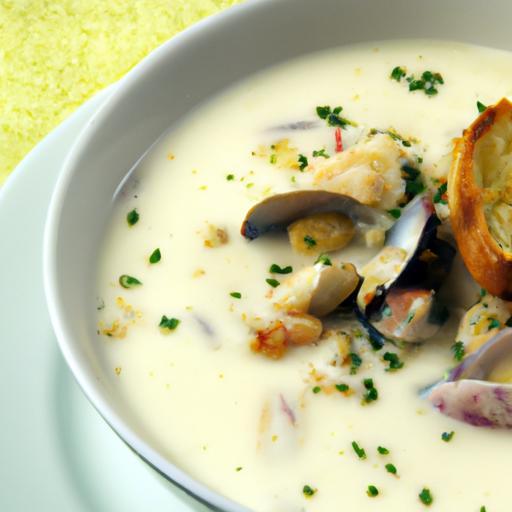
Beneath its velvety surface and comforting warmth, clam chowder carries a rich history as layered as its flavors. This beloved creamy classic has stirred countless pots and palates, evolving from humble coastal origins to an iconic dish savored worldwide.In this article, we’ll dive deep into clam chowder’s secrets-uncovering the stories behind its ingredients, exploring regional variations, and revealing the techniques that make each bowl a masterpiece. Prepare to embark on a savory journey that celebrates not just a soup, but a culinary tradition brimming with flavor and history.
Clam Chowder Uncovered offers a deep dive into one of America’s most beloved coastal dishes, tracing its rich history and unveiling the secrets behind its irresistibly creamy texture. From New England’s thick, velvety base to the tomato-kissed broths of the West Coast, clam chowder has evolved remarkably while remaining a comforting staple.Whether indulging in a steaming bowl on a chilly evening or crafting it to impress guests, mastering the perfect balance of creaminess and fresh ingredients is key to elevating this classic.
Prep and Cook time
Planning: 20 minutes | Cooking: 40 minutes | Total: 1 hour
Yield
Serves 6 hearty portions
Difficulty Level
Medium – Ideal for those pleasant with stovetop simmering and multitasking flavors
Ingredients
- 2 lbs fresh clams (preferably littlenecks), cleaned and rinsed
- 4 cups clam broth, strained and reserved
- 4 slices unsalted butter
- 1 large yellow onion, finely diced
- 3 celery stalks, finely chopped
- 3 medium Yukon Gold potatoes, peeled and diced into 1/2-inch cubes
- 3 garlic cloves, minced
- 1/4 cup all-purpose flour, sifted
- 3 cups whole milk, room temperature
- 1 cup heavy cream
- Salt and freshly ground black pepper, to taste
- Fresh thyme sprigs, 2 for infusion
- Chopped fresh parsley, for garnish
- Cracked smoked paprika, optional for a subtle smoky layer
Instructions
- Prepare the clams: In a large pot, add cleaned clams and 1 cup of water. Cover and steam over medium heat until clams open, about 7-10 minutes. Remove clams with tongs and set aside to cool. Reserve the cooking liquid by straining through a fine mesh sieve lined with cheesecloth.
- Extract clam meat: Remove the clam meat from shells, chop coarsely, and set aside. Discard any unopened clams after steaming.
- Sauté aromatics: In a heavy-bottom pot,melt butter over medium heat. add onion, celery, and garlic. Sauté until translucent and fragrant, about 5 minutes, stirring occasionally to prevent sticking.
- Build the roux: Sprinkle the flour evenly over the sautéed vegetables. Stir constantly with a wooden spoon for 2-3 minutes until flour is lightly golden and forms a thick paste-this step is essential for that luscious, velvety texture.
- Add liquids: Gradually whisk in the reserved clam broth, whole milk, and heavy cream to avoid lumps. Add diced potatoes and thyme sprigs. Increase heat and bring to a gentle simmer-let cook until potatoes are tender but not mushy, approximately 15 minutes.
- Incorporate clams: Remove thyme sprigs. Stir in chopped clam meat. Simmer gently for another 5 minutes just to meld flavors-avoid boiling to keep clams tender.
- Season and finish: Taste and adjust seasoning with salt, pepper, and smoked paprika if desired.Remove pot from heat.
- Serve with flair: Ladle hot chowder into bowls.Garnish with fresh parsley and a sprinkle of black pepper to brighten and add color contrast.
Tips for Success
- Freshness is crucial: Select clams that smell briny and ocean-fresh without any fishy or off-putting odor. Discard any clams with cracked shells or that do not close when tapped.
- Broth quality: Homemade clam broth or a high-quality, low-sodium seafood stock will amplify the chowder’s depth. Avoid overly salty store-bought broth to maintain balance.
- Perfect texture: The key to a rich chowder lies in evenly cooking the roux and slowly incorporating liquids to prevent lumps. Using Yukon Gold potatoes gives a creamy consistency without disintegrating.
- Make-ahead: prepare the base in advance and add clams last minute to avoid toughness. Chowder can be refrigerated for up to 2 days; reheat gently on the stovetop.
- Variations: For a vegan-inspired twist,substitute clams and clam broth with smoked oyster mushrooms and vegetable broth,keeping the creamy base intact.
Serving suggestions
This clam chowder shines paired with a crusty sourdough bread bowl or thick slices of toasted baguette.A crisp, lightly dressed kale salad balances the richness beautifully. Garnish each bowl with a sprinkle of fresh parsley and a few drops of lemon juice for a subtle brightness that highlights the oceanic flavors.
| Nutrient | Per Serving |
|---|---|
| Calories | 320 kcal |
| Protein | 18 g |
| Carbohydrates | 28 g |
| Fat | 15 g |

For additional insights on seafood cooking techniques, visit FDA’s Seafood Safety Tips and explore our Seafood Classics Collection for more inspiring coastal recipes.
Q&A
clam Chowder Uncovered: A Creamy Classic’s Secrets Revealed
Q&A
Q1: What exactly is clam chowder, and why is it considered a classic?
A: Clam chowder is a rich, comforting soup that marries tender clams with creamy broth and hearty vegetables. It’s a classic because it embodies coastal culinary heritage, especially from New England, where fresh seafood and simple, robust flavors shine through.This soup has been enjoyed for centuries, evolving with each generation but always retaining that warm, indulgent essence.
Q2: What types of clams work best in clam chowder?
A: The star of the show is usually littleneck or cherrystone clams-small, tender, and briny enough to bring the sea’s essence into the pot. Freshness is key; the sweeter and more succulent the clams, the richer the chowder’s flavor. Some recipes invite clams on the half shell or use clam juice for an extra layer of depth.
Q3: Is cream always essential in clam chowder?
A: While traditional New England clam chowder is famously creamy, cream isn’t strictly necessary. Some variations rely on milk or even a roux made from butter and flour to achieve the soup’s velvety texture. The creamy character ofen comes from the balance of dairy and starches, creating a luscious mouthfeel that comforts like a warm embrace.
Q4: What vegetables are classic in clam chowder, and what do they bring to the dish?
A: Potatoes are the unshakable backbone-cubed into tender bites that soak up flavors while adding satisfying substance. Onion and celery bring aromatic sweetness and a subtle crunch,while fresh herbs like thyme add fragrant depth. These ingredients build the chowder’s structure, making it both hearty and nuanced.
Q5: Are there secret techniques to enhance the flavor of clam chowder?
A: Absolutely! Sweating the onions and celery slowly before adding any liquid releases their natural sugars, enriching the base.Also, simmering the clams gently ensures they stay tender without turning rubbery. Some cooks finish with a splash of clam broth or a touch of lemon juice to brighten the rich, creamy base, balancing sea and earth.
Q6: What makes New England clam chowder different from other clam chowders?
A: New England clam chowder is famously thick, creamy, and white-thanks to its use of milk or cream and potatoes. Unlike Manhattan clam chowder, which features a bright tomato broth, the New England version leans into a smooth, hearty profile with a focus on subtlety and comfort rather than acidity.
Q7: Can clam chowder be made ahead of time and reheated without losing its creamy texture?
A: Yes-but with care! Reheating gently on the stove rather than microwaving helps maintain that luscious creaminess. Stir frequently and add a splash of milk or broth if the chowder thickens too much. This keeps the texture silky and the flavors vibrant.
Q8: Are there vegetarian or vegan adaptations inspired by clam chowder?
A: Creative cooks have crafted versions that capture the spirit without seafood-using smoky mushrooms, seaweed, or hearts of palm to mimic the texture and umami of clams. Coconut milk or cashew cream can replace dairy to maintain richness. These alternatives offer a fresh take while honoring the chowder’s comforting soul.
Q9: What are traditional accompaniments to clam chowder?
A: Crisp oyster crackers or warm, crusty bread are classic partners, perfect for dipping.Some prefer a sprinkling of fresh parsley or chives on top to add a burst of color and fresh herbaceousness. The key is simplicity, letting the chowder remain the star.
Q10: Why does clam chowder hold such a special place in American cuisine?
A: It’s more than a soup-it’s a culinary story of American coastal life, of communities gathered around fires and tables, of the sea’s bounty transformed into comfort food. Its creamy, hearty nature transcends seasons and occasions, embodying nostalgia, craftsmanship, and the timeless magic of a bowl brimming with warmth.
to sum up
As the last spoonful of clam chowder warms your soul, it’s clear this creamy classic is more than just comfort food-it’s a tapestry of history, culture, and culinary craft all simmered together in one hearty bowl. From its humble coastal origins to the secret blend of herbs and cream that gives it that irresistible richness, clam chowder continues to captivate palates around the world. So next time you savor this velvety delight, remember: you’re tasting a story centuries in the making, whispered through waves and perfected by generations. Truly, clam chowder isn’t just a soup-it’s a savory legend uncovered.