
When it comes to the robust world of beef cuts,few face-offs are as intriguing as the showdown between Chuck Steak and chuck Roast. Both hailing from the same primal region yet destined for diffrent culinary adventures, these cuts are champions of rich flavor and hearty texture.But what truly sets them apart in taste, cooking method, and ultimate dining experience? In this article, we’ll unravel the bold battle of Chuck Steak versus Chuck Roast, guiding you through their unique characteristics and helping you decide which contender deserves a place on yoru plate. Prepare to beef up your knowledge and savor the nuances of one of beef’s most versatile duels.
- Understanding the Origins and Cuts of Chuck Steak and Chuck Roast: Flavor Profiles and Texture Differences Explained
- Cooking Techniques That bring Out the Best in Each Cut with Chuck Steak vs Chuck Roast
- Choosing the Right Chuck for Your Next Bold Beef Dish
- prep and Cook Time
- Yield
- Difficulty Level
- Ingredients
- Instructions
- Tips for Success
- Serving Suggestions
- Q&A
- In Retrospect
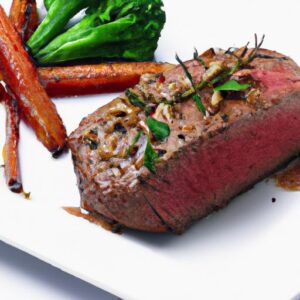
Understanding the Origins and Cuts of Chuck Steak and Chuck Roast: Flavor Profiles and Texture Differences Explained
Chuck steak vs chuck roast is a culinary conversation steeped in tradition and bold flavors. both hail from the chuck primal cut of beef, nestled in the shoulder area where powerful muscles give way to rich marbling and a hearty texture that promises deep, beefy goodness.For centuries, this section of the cow has been prized for its robust taste and versatility across home kitchens and rustic tables alike.
the chuck primal yields a variety of cuts; chuck steak is typically sliced thinner from the shoulder blade or under-blade subprimal, often bone-in or boneless with a meaty, somewhat coarse grain. It offers a concentrated beef flavor with a firmer bite-perfect for rapid, high-heat cooking once tenderized.In contrast, chuck roast is a larger, thicker cut frequently enough taken from the chuck eye, shoulder clod, or arm portions. Its dense connective tissue and ample intramuscular fat make it ideal for slow,moist cooking methods that dissolve collagen into luscious gelatin,delivering a melt-in-your-mouth experience.
Understanding these textural and flavor distinctions is key to unlocking the full potential of each cut. chuck steak’s muscle fibers and marbling respond beautifully to marinades and flash searing, producing a rich, juicy bite with a satisfying chew. Chuck roast, meanwhile, begs for a long, slow braise or oven braising to coax out tender flakes of meat suffused with deep roast aromas and a naturally beefy richness that embodies comfort food at its best.
Cooking Techniques That bring Out the Best in Each Cut with Chuck Steak vs Chuck Roast
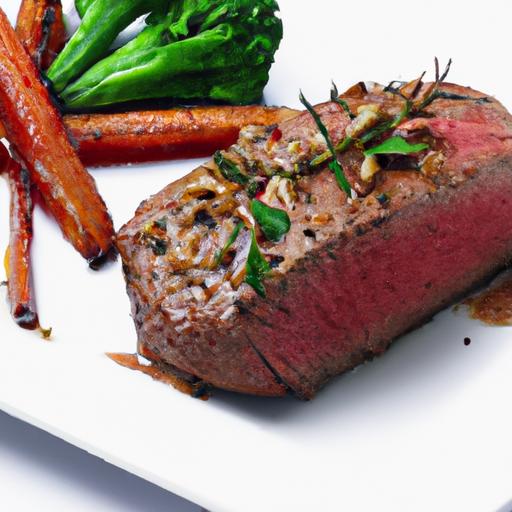
Bringing out the best in chuck steak vs chuck roast means matching each cut’s unique character with the right approach. For chuck steak, think high heat and speed. Marinate the steak to tenderize and infuse flavor, then sear it on a hot grill or cast iron skillet to develop a smoky crust. Use medium-rare to medium doneness for optimal juiciness-overcooking can toughen this cut due to its firmer texture.
Chuck roast shines through patience and slow cooking.A low-and-slow braise in a flavorful broth or homemade stock breaks down tough fibers while enriching the beef with herbaceous notes and caramelized undertones. Dutch ovens or slow cookers are perfect vessels, ensuring even heat distribution for hours until the roast yields tender, pull-apart meat. Adding root vegetables halfway through the braise ramps up complexity and creates a harmonious, hearty meal.
Both cuts benefit greatly from proper seasoning and resting time. Salt is your best ally-allow it to penetrate the meat before cooking, and rest after cooking to redistribute juices evenly, transforming these bold beef cuts into memorable dishes.
Choosing the Right Chuck for Your Next Bold Beef Dish
When selecting between chuck steak vs chuck roast, consider your meal’s timeline and desired presentation. Choose chuck steak for faster, more hands-on cooking sessions where you want a steakhouse-style experience without the premium price tag. its robust texture pairs perfectly with bold marinades, fresh herbs, and quick sautés or grills.
Opt for chuck roast when planning a memorable dinner that celebrates slow flavors bubbling together-a pot roast,shredded beef tacos,or classic braised beef dishes excel hear. The roast’s forgiving nature allows beginner and seasoned cooks alike to experiment confidently with spices and ingredients.
By appreciating the origins, textural nuances, and ideal cooking methods of chuck steak vs chuck roast, you open doors to richly flavored dishes that rival higher-end cuts in taste and satisfaction. Dive in with confidence and discover just how beautifully bold beef can be.
prep and Cook Time
- Preparation: 15 minutes
- Cooking: 20 minutes (chuck steak) / 3-4 hours (chuck roast)
- Total Time: 35 minutes (steak) / 3 hours 15 minutes to 4 hours 15 minutes (roast)
Yield
Serves 4 hearty portions
Difficulty Level
Medium – Perfect for cooks pleasant managing temperature and timing for both quick and slow cooking processes.
Ingredients
- 2 lbs chuck steak, trimmed and cut into 1-inch thick slices
- 4 lbs chuck roast, whole
- 2 tbsp olive oil
- 1 large onion, diced
- 4 cloves garlic, minced
- 2 cups beef broth, low sodium
- 2 sprigs fresh rosemary
- 2 sprigs fresh thyme
- 1 bay leaf
- Salt and freshly ground black pepper, to taste
- 2 medium carrots, peeled and cut into chunks
- 2 celery stalks, sliced
- 1 tbsp tomato paste
- 1 tbsp Worcestershire sauce
- Optional: 1 tsp smoked paprika for extra depth
Instructions
- Prepare your chuck steak: Pat dry, then season both sides generously with salt, pepper, and smoked paprika if using. Set aside to reach room temperature, about 15 minutes.
- Heat 1 tbsp olive oil in a heavy skillet over high heat until shimmering.Add chuck steak and sauté until a deep golden crust forms, about 3-4 minutes per side. Avoid crowding the pan; cook in batches if necessary. Remove steak and rest on a cutting board covered with foil.
- For the chuck roast: Preheat the oven to 300°F (150°C).
- In a large Dutch oven, heat 1 tbsp olive oil over medium-high heat. Season the roast liberally with salt and pepper, then sear all sides until richly browned-about 5 minutes per side. Remove roast and set aside.
- Sauté onions, carrots, and celery in the same pot for 7 minutes until softened and fragrant. Stir in garlic and tomato paste; cook 1 minute.
- Deglaze the pot with beef broth and Worcestershire sauce,scraping up browned bits from the bottom with a wooden spoon. Add bay leaf, rosemary, and thyme.
- Return the roast to the pot, cover tightly with a lid, and place in the preheated oven. Braise for 3 to 4 hours, until meat is fork-tender and easily shreddable. Check liquid halfway and add water or more broth if too low.
- Rest and serve: Remove roast from the oven and let it rest for 20 minutes before slicing or shredding. Serve chuck steak instantly while warm.
Tips for Success
- marinate chuck steak for 1-2 hours in a simple mixture of olive oil, garlic, and herbs to amplify tenderness and flavor.
- Use a meat thermometer: Aim for 130°F (54°C) for medium-rare chuck steak; adjust based on preference.
- For moist chuck roast: Resist the urge to lift the lid frequently; this traps steam and helps tenderize.
- Make ahead: Chuck roast frequently enough tastes even better the day after cooking-cool, refrigerate, and gently reheat in its juices.
- Substitute fresh herbs with 1 tsp dried rosemary and thyme if needed.
Serving Suggestions
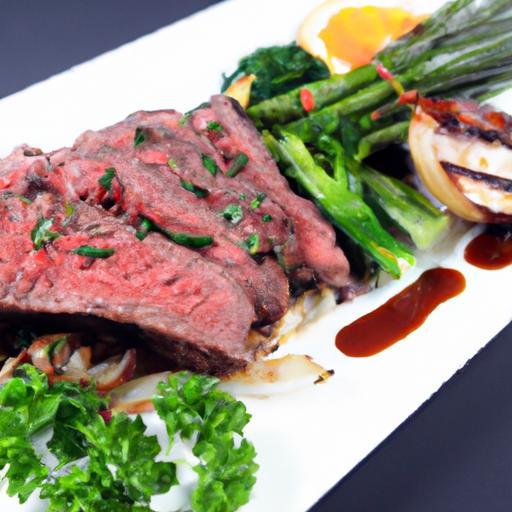
Present your chuck steak atop a bed of creamy mashed potatoes or charred seasonal vegetables for a vibrant contrast. Garnish with freshly chopped parsley and a drizzle of pan jus or herb-infused olive oil to elevate visual appeal and flavor balance. with the roast, ladle the rich braising liquid and root vegetables alongside tender beef slices for an irresistible family-style feast.A side of buttery dinner rolls or crusty artisan bread completes the experience beautifully.

| Nutrient | Per 6 oz cooked serving (Chuck Steak) | Per 6 oz cooked serving (Chuck Roast) |
|---|---|---|
| Calories | 340 kcal | 375 kcal |
| Protein | 45 g | 42 g |
| Carbohydrates | 2 g | 5 g |
| Fat | 18 g | 25 g |
Explore more beef inspiration in our Best Braises for Beef article and expand your culinary repertoire. For detailed data on beef cuts and nutritional content, visit the Beef. It’s What’s For Dinner® official site.
Q&A
Q&A: Chuck Steak vs Chuck Roast – Unraveling Beef’s Bold Battle
Q1: What makes chuck steak and chuck roast stand out in the world of beef cuts?
A1: Both chuck steak and chuck roast come from the shoulder region of the cow, often called the “chuck.” This area is known for its rich flavor and robust texture, thanks to the well-exercised muscles. What sets them apart is their cut and cooking potential-chuck steak is sliced thinner for quicker cooking, while chuck roast is a larger, thicker piece suited for slow, hearty braises.
Q2: How do chuck steak and chuck roast differ in texture and tenderness?
A2: Chuck steak tends to be a bit tougher due to its thinner cut, requiring quick cooking methods with moderate heat to avoid becoming chewy. In contrast, chuck roast is ideal for slow, low-and-slow cooking, allowing connective tissues to break down and transform the meat into tender, melt-in-your-mouth goodness.
Q3: Which cooking methods best highlight the unique qualities of chuck steak?
A3: Chuck steak shines when grilled, pan-seared, or broiled quickly over high heat.Marinating beforehand can help tenderize the meat and enhance flavors. The goal is to cook it just enough to keep the steak juicy and flavorful without overcooking.
Q4: What’s the secret to turning a chuck roast into a mouthwatering meal?
A4: patience is key! Slow roasting, braising, or simmering chuck roast in a flavorful liquid lets the collagen break down, enriching the dish with deep, beefy richness. Classic pot roasts or stews are perfect candidates, where the meat absorbs spices and vegetables while becoming beautifully tender.
Q5: Are chuck steak and chuck roast interchangeable in recipes?
A5: While both originate from the same region, substituting one for the other requires adjusting cooking times and methods. Chuck steak won’t benefit from long braising like chuck roast, and using chuck roast for quick grilling may result in toughness. Understanding the cut’s nature is crucial for cooking success.
Q6: What flavor profiles can I expect from these cuts?
A6: Expect a bold, beef-forward taste brimming with umami. Both cuts carry a hearty intensity that stands up well to robust herbs and spices, making them favorites for those who like their beef with personality. Fat marbling in these cuts also contributes to a juicy, flavorful bite.
Q7: How does fat content affect cooking and flavor in chuck steak vs. chuck roast?
A7: The chuck’s intramuscular fat adds moisture and flavor during cooking. Chuck roast,with its larger size,often has more marbling that melts during slow cooking,enriching the dish. Chuck steak,even though leaner in comparison,still benefits from this fat,especially when cooked quickly to retain juiciness.
Q8: Can chuck steak and chuck roast be budget-friendly choices without sacrificing flavor?
A8: Absolutely! Both cuts offer astonishing flavor and versatility at a more affordable price point than premium steaks. Their bold taste and adaptability make them perfect for home cooks eager to craft delicious meals without breaking the bank.
Q9: What are some signature dishes that best showcase chuck steak and chuck roast?
A9: Chuck steak thrives in dishes like hearty skillet dinners, fajitas, or marinated barbecued steaks. Conversely, chuck roast steals the show in classic pot roasts, beef stews, and slow-cooked shredded beef recipes, each bursting with rich, comforting flavors.
Q10: How can I ensure maximum tenderness when cooking these cuts?
A10: For chuck steak, quick cooking over high heat combined with a marinade or tenderizing technique is a winning formula. For chuck roast, low-and-slow is the mantra-whether braising in the oven or simmering on the stovetop-allowing time for connective tissues to dissolve and meat fibers to relax into succulent tenderness.
Whether you choose the straight-to-the-grill punch of chuck steak or the slow-cooked embrace of chuck roast, these bold beef warriors prove that flavor and value can walk hand in hand. The battle is yours to savor!
In Retrospect
whether you reach for a chuck steak or a chuck roast, you’re embracing beef’s bold and beefy spirit-each cut offering its own unique texture, flavor, and cooking adventure. From the quick sear that brings out the steak’s hearty bite to the slow, tender melt of a roast bubbling away, understanding these cuts empowers you to make every meal a flavorful victory. So next time you face the butcher’s aisle with the age-old question, remember: it’s not just a cut of beef-it’s the start of your next culinary conquest. Choose wisely, cook boldly, and savor every bite.