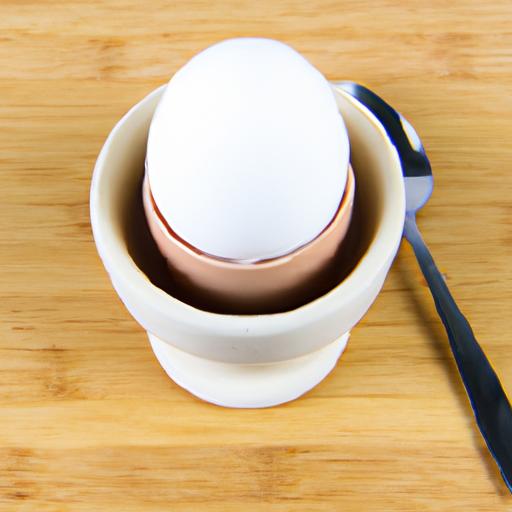

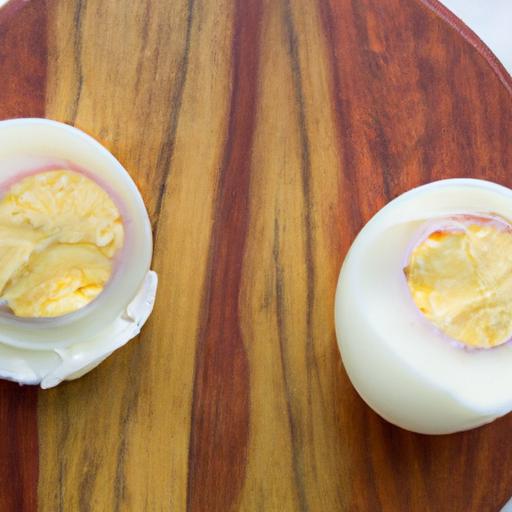
ThereS something deceptively simple about boiling an egg-yet achieving that perfect, tender white wrapped around a luscious, creamy yolk can often feel like an elusive culinary quest. Whether you’re prepping a speedy breakfast, whipping up a salad, or crafting elegant appetizers, mastering the art of the boiled egg unlocks a world of delicious possibilities. In this article, we’ll crack open the secrets to flawless boiled eggs, sharing practical tips, timing tricks, and expert techniques to ensure you never face a rubbery or undercooked bite again. Get ready to transform this humble staple into your kitchen’s shining star.
Mastering the perfect Boiled Egg begins with selecting the ideal eggs and preparing them carefully for boiling. Whether you crave a silky soft yolk or a firm, crumbly center, understanding timing, planning, and peeling techniques will elevate your egg game to flawless results every time.
Prep and Cook Time
- Preparation: 5 minutes
- Cooking: 4 to 12 minutes (depending on desired doneness)
- Total Time: 9 to 17 minutes
Yield
- 4 perfectly boiled eggs
Difficulty Level
- Easy
Ingredients
- 4 large fresh eggs, preferably a few days old (ideal for peeling)
- Cold water, enough to cover the eggs by 1 inch
- Ice cubes or chilled water for an ice bath
- 1 teaspoon salt (optional, helps prevent cracking)
Instructions
- Choose your eggs thoughtfully. Fresh eggs can be challenging to peel; opt for eggs that are 5-7 days old for a balance of freshness and ease.
- Place the eggs in a single layer at the bottom of a saucepan. Add salt to the water to minimize cracks and help with peeling.
- Fill the pan with cold water until eggs are submerged by about an inch.
- Bring the water to a rolling boil over medium-high heat, then instantly reduce heat to maintain a gentle simmer.
- Start timing according to your desired doneness:
- soft boiling: 4-6 minutes for a runny yolk with just-set whites
- Medium boiling: 7-9 minutes for creamy,slightly jammy yolks
- Hard boiling: 10-12 minutes for fully set yolks
- Prepare an ice bath by filling a large bowl with cold water and ice cubes.
- Once the timer goes off, immediately transfer the eggs to the ice bath to halt cooking and make peeling easier. Let them chill for at least 5 minutes.
- To crack the shell effortlessly, gently tap the egg on a hard surface, then roll it under your palm to create a network of cracks.
- Peel under running water to loosen stubborn bits of shell. Begin peeling from the wider end where the air pocket is located.
Tips for Success: Timing Matters and Peeling Like a Pro
- Timing is everything: Slight differences in timing translate to big changes in yolk texture. Use a timer and avoid guessing.
- Age your eggs: Fresh eggs are delicious but notorious for clinging shells. Allow them to sit in your fridge for a few days before boiling.
- Ice bath magic: This shocks the eggs, stops residual cooking, and shrinks the egg inside the shell for easier removal.
- Peeling shortcut: Add a teaspoon of baking soda or vinegar to boiling water to help break down the shell membrane.
- Stress-free cracking: Rolling and tapping gently creates uniform cracks, making the peeling process a relaxing ritual.
Serving Suggestions
Present your flawlessly boiled eggs sliced over a vibrant bed of peppery arugula, sprinkled with flaky sea salt and cracked black pepper. For a classic twist, serve with a drizzle of smoked paprika-infused olive oil and a sprinkle of fresh chives. These eggs elevate breakfast toast, enhance grain bowls, or star as garnishes on rich ramen.

| Doneness | Cook Time (minutes) | Yolk Texture | White Texture |
|---|---|---|---|
| Soft Boiled | 4-6 | Runny | Fully Set |
| medium Boiled | 7-9 | Creamy | Firm |
| Hard Boiled | 10-12 | Fully firm | Firm |
For a deeper dive into how egg freshness affects cooking and texture, visit the USDA’s thorough guide on egg handling and safety at USDA Food Safety. Also, explore our step-by-step deviled egg recipe for delicious ways to use perfectly boiled eggs.
Q&A
Q&A: Mastering the Perfect boiled Egg – Tips for Flawless Results
Q1: Why does boiling an egg sometimes result in a greenish ring around the yolk?
A: That pesky green ring is a harmless chemical reaction between sulfur in the egg white and iron in the yolk, caused by overcooking or rapid cooling. To avoid this, don’t overboil your eggs and cool them quickly in ice water to stop the cooking process.
Q2: how can I achieve a perfectly soft-boiled egg with a runny yolk and firm white?
A: Timing is key! Start with room-temperature eggs, bring water to a gentle boil, then carefully lower your eggs in. For soft-boiled eggs with luscious yolks, cook for about 5-6 minutes. Immediately transfer them to an ice bath to halt cooking and make peeling easier.
Q3: What’s the secret to easy peeling without cracking the shell?
A: Freshness is the foe of easy peeling-super fresh eggs stick more stubbornly. If possible, use eggs that are about a week old. After boiling, plunge them into cold water and gently tap the shell all around before peeling under running water for smooth results.
Q4: Does altitude affect boiling time for eggs?
A: Absolutely! At higher altitudes, water boils at lower temperatures, which means eggs take longer to cook. If you live in a mountainous area, add an extra minute or two to your boiling timer for perfect doneness.
Q5: Can I boil eggs straight from the fridge, or should they be brought to room temperature first?
A: Bringing eggs to room temperature helps prevent cracking due to temperature shock and promotes even cooking. If you’re short on time, be extra gentle lowering cold eggs into boiling water, or start eggs in cold water and bring to a boil together for a gentler approach.
Q6: How do I store boiled eggs and how long do they last?
A: store unpeeled boiled eggs in the refrigerator in a covered container. They stay fresh for up to one week. Peeled eggs should be consumed within two days to maintain taste and safety.Q7: Is there a difference between boiling eggs in water and steaming them?
A: Steaming eggs is a gentle alternative that can make peeling a breeze. Steam for about 12-14 minutes, then cool quickly.Many find steamed eggs have a creamier yolk and are less prone to cracking than boiled ones.
Mastering the perfect boiled egg is part science, part art, and a dash of patience. With these tips, your humble egg will transform into a flawless delight every time!
Closing Remarks
With these simple yet effective tips in your culinary toolkit, mastering the perfect boiled egg is no longer a matter of chance but a guaranteed achievement. Whether you prefer soft, silky centers or firm, crumbly yolks, understanding the science and timing behind boiling eggs transforms a humble kitchen task into an art form. So next time you crack open that shell, savor not just the taste but the confidence that comes with flawless results every time. Your boiled egg journey begins now-one perfectly cooked egg at a time.