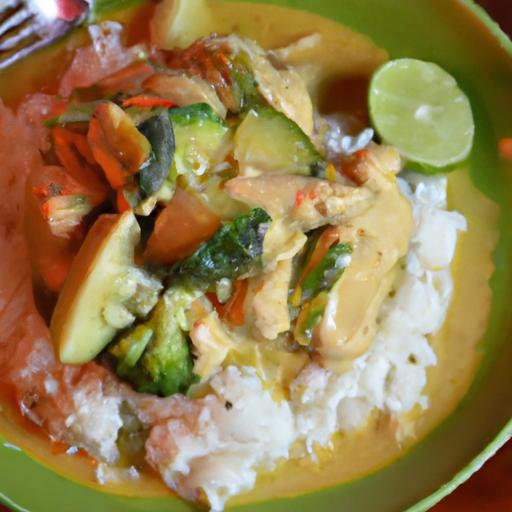

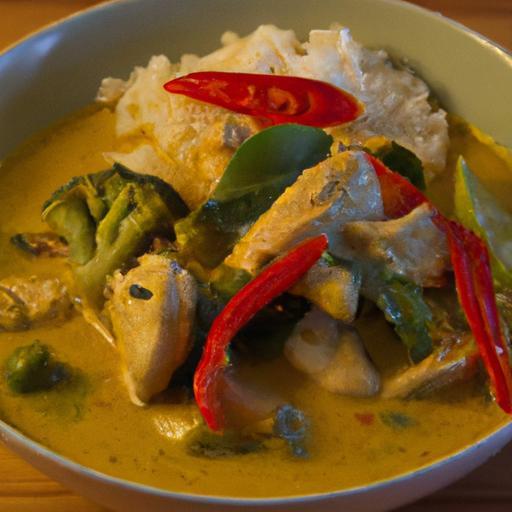
There’s a magic in the world of Thai cuisine that captivates the senses with each bite-an enchanting blend of bold spices, creamy coconut, and vibrant herbs. Among its many treasures, the classic Thai Coconut Curry Chicken stands out as a comforting yet exhilarating dish that effortlessly balances richness and zest. In this article, we invite you to savor the flavor of authenticity, as we unveil a customary recipe that transports your kitchen straight to the bustling streets of Thailand. Whether you’re a seasoned foodie or an adventurous home cook, get ready to whip up a dish that’s as fragrant and colorful as it is flavorful. Let’s embark on a culinary journey where creamy coconut meets fiery curry, creating a symphony of taste that’s truly unforgettable.
- Discovering the Rich History and cultural Roots of Thai Coconut curry Chicken
- Essential Ingredients That Bring Authenticity to Your curry
- Prep and Cook Time
- Yield
- Difficulty Level
- Step by Step Guide to Perfecting the Creamy Coconut Curry Sauce
- Expert Tips for Balancing Flavors and Elevating Your Dish
- Serving Suggestions
- Nutritional Details
- Q&A
- To Wrap It up
Discovering the Rich History and cultural Roots of Thai Coconut curry Chicken
Thai Coconut Curry Chicken is a beloved culinary treasure that beautifully marries bold spices with the silky richness of coconut milk. This dish, rooted deeply in Thailand’s vibrant food heritage, reflects centuries of cultural exchange-from the aromatic spices introduced by Indian traders to the indigenous use of coconut and fresh herbs. Traditionally enjoyed as a comfort meal in Thai households, its harmonious layers of flavor offer a perfect balance between sweet, spicy, and savory.
growing up, I vividly recall the intoxicating aroma of simmering coconut curry wafting through the kitchen, signaling that a hearty, soul-soothing meal was not far away. A staple in Thai street food and family dinners alike, this recipe lets you recreate that fragrant bounty perfectly in your own home.
Essential Ingredients That Bring Authenticity to Your curry
- 1 lb boneless, skinless chicken thighs, cut into bite-sized pieces – juicier and more flavorful than breast
- 2 cups full-fat coconut milk – the creamy heart of the curry
- 3 tablespoons Thai red curry paste – a vibrant blend of chili, garlic, lemongrass, and shrimp paste (ensure no pork-based shrimp paste)
- 1 tablespoon fish sauce – adds umami and depth (or substitute with soy sauce for a vegetarian twist)
- 1 tablespoon palm sugar – balancing sweetness
- 2 kaffir lime leaves – aromatic citrus notes that elevate the sauce
- 1 cup Thai basil leaves – fresh, peppery, and essential for authenticity
- 1 red chili, sliced thin for garnish and mild heat
- 2 cloves garlic, minced – foundational aromatic
- 1 small onion, finely chopped – adds sweetness
- 1 tablespoon vegetable oil – for sautéing
Prep and Cook Time
- Readiness: 15 minutes
- Cooking: 25 minutes
- Total Time: 40 minutes
Yield
Serves 4 generously, perfect for family-style meals or cozy dinners.
Difficulty Level
Medium – approachable for home cooks willing to explore Asian pantry staples with confidence.
Step by Step Guide to Perfecting the Creamy Coconut Curry Sauce
- Heat the oil in a large skillet or wok over medium heat.Add the minced garlic and chopped onion, sautéing until fragrant and translucent, about 3 minutes.
- Stir in the red curry paste. Cook it for 1-2 minutes, stirring continuously to release its vibrant color and aromatic oils. This step unlocks the bold soul of authentic Thai coconut curry chicken.
- Add the chicken pieces. Toss to coat them evenly in the curry paste, and sauté until the edges just begin to brown, about 5 minutes. This caramelization develops deeper flavor.
- Pour in the coconut milk, stirring gently to combine. Bring the mixture to a gentle simmer, scraping any caramelized bits from the pan bottom to infuse the sauce.
- Toss in kaffir lime leaves,fish sauce,and palm sugar. Stir until the sugar dissolves fully. Simmer for 10-12 minutes, allowing the chicken to cook through and the sauce to thicken luxurious and creamy.
- Remove the kaffir lime leaves. Just before serving,stir in fresh Thai basil leaves for a burst of herbal brightness.
- Adjust the seasoning – taste your curry and add more fish sauce for saltiness, palm sugar for sweetness, or a squeeze of lime juice for acidity, achieving a perfect balance.
Expert Tips for Balancing Flavors and Elevating Your Dish
- Use full-fat coconut milk-it’s crucial for the creamy texture and rich mouthfeel classic to thai coconut curry chicken.
- When choosing your curry paste,opt for a fresh,aromatic brand or make your own to control the spice level and freshness.
- If the curry feels too thick, add a splash of warm water or more coconut milk to reach your desired consistency.
- For layered heat, garnish with sliced fresh red chili or crushed chili flakes just before serving.
- Don’t skip the kaffir lime leaves and Thai basil; thes ingredients provide a distinctively bright and herbaceous aroma that defines authenticity.
- Make-ahead tip: prepare the curry sauce without adding basil and finish fresh on the day of serving to keep the vibrant herbaceous notes lively.
Serving Suggestions
Serve your Thai coconut curry chicken steaming hot over a bed of jasmine rice or fragrant coconut rice for extra indulgence. Garnish with a sprinkle of fresh Thai basil leaves and finely sliced red chili for a pop of color and heat. A wedge of lime on the side invites diners to add a refreshing citrus zing. For a crunchy contrast, accompany with lightly toasted peanuts or crispy shallots. Complement the meal with a simple cucumber salad dressed in rice vinegar and a hint of sugar to refresh the palate.

Nutritional Details
| nutrient | Per Serving |
|---|---|
| Calories | 420 kcal |
| Protein | 32 g |
| Carbohydrates | 8 g |
| Fat | 28 g |
For more delicious Thai inspired recipes, you can explore our complete guide to Thai flavors or deepen your understanding of Southeast Asian cooking techniques. To learn about the health benefits of key ingredients like coconut milk, the Healthline resource offers scientifically-backed insights.
Q&A
Q&A: Savor the Flavor: Authentic Thai Coconut Curry Chicken Recipe
Q1: What makes Thai coconut curry chicken so special compared to other curry dishes?
A1: Thai coconut curry chicken combines the rich creaminess of coconut milk with a vibrant blend of aromatic spices and fresh herbs. Its balance of sweet, savory, spicy, and tangy flavors sets it apart, creating a complex yet comforting dish that awakens your taste buds with every bite.Q2: What are the key ingredients needed for an authentic Thai coconut curry chicken?
A2: The heart of this recipe lies in coconut milk,red curry paste,fresh chicken,kaffir lime leaves,Thai basil,lemongrass,garlic,and galangal. These elements together create the distinctive fragrance and depth of flavor that define authentic Thai curry.
Q3: Can I use store-bought curry paste, or is it better to make my own?
A3: While homemade curry paste offers the freshest and most vibrant taste, quality store-bought red curry paste can be a convenient and tasty shortcut. Look for brands that use natural ingredients without preservatives for the closest flavor to authentic Thai cooking.
Q4: How do I achieve the perfect balance of heat and creaminess in the curry?
A4: Start by sautéing the curry paste in a bit of oil to release its oils and fragrance, then slowly add coconut milk to temper the spice. Taste as you go-add fresh chilies or a touch of sugar to tweak the spiciness and sweetness until the curry sings with harmony.
Q5: What type of chicken works best in this recipe?
A5: boneless, skinless chicken thighs are ideal for their tenderness and flavor, absorbing the rich curry sauce beautifully. Though, chicken breast can also work if you prefer a leaner option-just be careful not to overcook it to keep it juicy.
Q6: Are there any traditional herbs or garnishes that enhance the dish?
A6: Absolutely! Fresh thai basil leaves and finely sliced kaffir lime leaves provide aromatic freshness. A squeeze of lime juice before serving brightens the curry, and a sprinkle of chopped cilantro adds a final burst of color and flavor.Q7: Can this curry be adapted to suit dietary restrictions or preferences?
A7: Definitely.the recipe is naturally gluten-free and can easily be made dairy-free sence it uses coconut milk instead of cream. For a vegetarian twist, substitute chicken with tofu or hearty vegetables like eggplant and bell peppers rather.
Q8: How should I serve Thai coconut curry chicken for an authentic experience?
A8: Serve your curry piping hot over jasmine rice-the fragrant grains soak up the luscious sauce perfectly. Pair it with a simple cucumber salad or steamed greens to balance the richness and add freshness to the meal.Q9: What’s the best way to store leftovers?
A9: Store any leftover curry in an airtight container in the refrigerator for up to 3 days. Before reheating, stir gently and add a splash of coconut milk or water if the sauce has thickened too much. Reheat on low to preserve the flavors.Q10: Any tips for elevating my homemade Thai coconut curry chicken?
A10: For an extra depth of flavor, try toasting your curry paste gently before adding coconut milk and adding a splash of fish sauce for that umami kick. fresh ingredients like lemongrass and galangal are essential, so don’t skip them when possible-they’re the secret to an authentic, mouthwatering curry.
To Wrap It up
As your taste buds linger on the rich, creamy notes of this authentic Thai coconut curry chicken, you’ve not only savored a dish but embraced a vibrant tradition steeped in bold flavors and aromatic spices. This recipe invites you to bring a touch of Thailand’s culinary magic into your own kitchen-where every simmer and stir unfolds a story of culture,warmth,and comfort. So next time you crave something extraordinary yet comforting, let this coconut curry be your passport to a flavorful adventure, reminding you that the heart of Thai cooking lives in the harmony of taste and the joy of sharing a meal made with love.