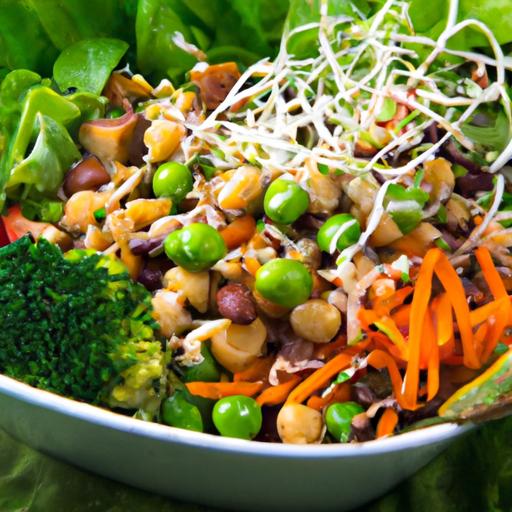

In a world that moves at lightning speed, finding moments to nurture both body and spirit has become an essential act of self-care. Enter the colorful vegetable Buddha bowl-a vibrant, wholesome creation that transcends mere nourishment. More than just a meal, itS a party of nature’s bounty, artfully arranged to delight the senses and restore balance within. This bowl bursts with fresh textures, vivid hues, and a harmonious blend of flavors that invite you to slow down, savor each bite, and truly nourish your soul from the inside out. Join us as we explore the joyful simplicity and profound benefits of crafting your own vegetable Buddha bowl, turning everyday eating into a mindful, revitalizing ritual.
Choosing Seasonal Ingredients for Maximum Flavor and Nutrition
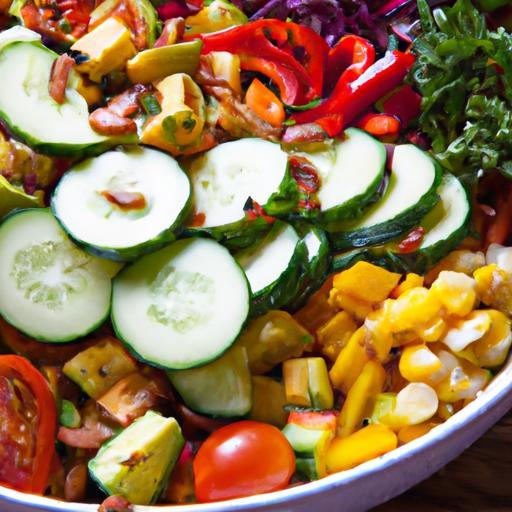
Nourish Your Soul with a Colorful Vegetable Buddha Bowl by embracing the bountiful offerings of each season. Selecting fresh,in-season produce ensures that every bite bursts with natural sweetness,vibrant colors,and peak nutrition. For spring and summer, opt for crunchy cucumbers, ripe cherry tomatoes, tender asparagus, and sweet corn. In the cooler months, root vegetables like roasted carrots, beets, and sweet potatoes provide comforting warmth and earthiness that complement the bowl’s brightness.Shopping local farmer’s markets or joining a community-supported agriculture (CSA) program is a fantastic way to access these high-quality ingredients while supporting sustainable farming practices.
In addition to vegetables, incorporate diverse grains such as quinoa, farro, or brown rice for satisfying texture and wholesome energy. Protein-packed legumes like chickpeas or edamame add substance and help balance the bowl. Don’t forget fresh herbs like cilantro, basil, or mint-these small leafy treasures elevate the bowl’s aromatic profile and boost its healthful impact.
Flavorful Dressings to Elevate Your Buddha Bowl Experience
one of the secrets to truly transform your vegetable Buddha bowl is the dressing. A well-crafted dressing melds all the individual ingredients into a harmonious whole, enhancing textures and layering complex flavors. For an energizing burst, try a creamy tahini-lemon dressing with a hint of garlic and maple syrup-its nutty richness cuts through the fresh crunch perfectly.
Alternatively, a zesty ginger-sesame dressing infuses the bowl with Asian-inspired warmth and a subtle zing. Use high-quality extra virgin olive oil, fresh citrus juice, and a touch of sweetness to keep the dressing vibrant and balanced. Preparing your dressings from scratch allows customization in acidity, sweetness, and spice levels, inviting your taste buds on a personalized journey of delight.
Mindful Eating Practices to Truly Nourish Your Soul
Beyond nourishment of the body,savoring a vegetable Buddha bowl is an opportunity to practice mindfulness. take a moment before eating to appreciate the vivid colors and textures arranged before you-each ingredient cultivated with care and intention. chew slowly and attentively, noticing the contrasts of crisp, tender, creamy, and earthy notes with every bite.
This intentional approach not only enhances digestion but deepens your connection to the food and yourself.Setting aside distractions, expressing gratitude for the meal, and honoring its fresh simplicity will transform this colorful bowl from mere sustenance into a vibrant ritual of self-care and soulful nourishment.
Prep and Cook time
- Planning: 20 minutes
- Cooking: 25 minutes
- Total Time: 45 minutes
Yield
Serves 4 generous bowls
Difficulty Level
Easy to Medium – Perfect for home cooks looking to impress with fresh, wholesome flavors
Ingredients
- 1 cup quinoa, rinsed
- 2 cups water
- 1 medium sweet potato, peeled and diced
- 1 cup chickpeas, cooked or canned, drained and rinsed
- 1 cup shredded red cabbage
- 1 medium avocado, sliced
- 1 cup cucumber, diced
- 1 cup cherry tomatoes, halved
- ¼ cup fresh cilantro, chopped
- 2 tbsp olive oil
- Salt and freshly ground black pepper, to taste
- For the Tahini-Lemon dressing:
- ¼ cup tahini
- 2 tbsp fresh lemon juice
- 1 tbsp maple syrup
- 1 small garlic clove, minced
- 3-4 tbsp warm water (to thin)
- Salt, pinch
Instructions
- Cook the Quinoa: In a medium saucepan, combine quinoa and water. Bring to a boil over high heat, then reduce to a simmer, cover, and cook until water is absorbed (about 15 minutes). Remove from heat and fluff with a fork.
- Roast the Sweet Potato: Preheat oven to 400°F (200°C). Toss diced sweet potato with 1 tbsp olive oil, salt, and pepper. Spread evenly on a baking sheet and roast for 20-25 minutes, turning halfway, until tender and caramelized.
- Prepare the Chickpeas: In a skillet over medium heat, warm 1 tbsp olive oil. Add chickpeas, season with salt and pepper, and sauté until slightly golden and crisp, about 5-7 minutes. Stir occasionally.
- Prepare the Dressing: Whisk tahini, lemon juice, maple syrup, and garlic in a bowl.Slowly add warm water a tablespoon at a time until smooth and drizzling consistency is reached. Season with salt to taste.
- Assemble the Buddha Bowl: Divide quinoa between four bowls. Arrange roasted sweet potato, sautéed chickpeas, red cabbage, cucumber, cherry tomatoes, and avocado slices artfully on top. Drizzle generously with tahini-lemon dressing.
- Garnish: Sprinkle with chopped fresh cilantro for a fresh herbal punch and serve immediately for maximum vibrancy.
Chef’s Notes
- For extra protein, add a handful of toasted pumpkin seeds or sliced almonds as a crunchy topping.
- Substitute sweet potatoes with roasted butternut squash or carrots depending on your seasonal preference.
- If tahini is unavailable, almond butter can create a similarly creamy texture, though the flavor will be milder.
- Make the dressing ahead and store in the fridge for up to 3 days; whisk before using as it may thicken.
- For a spicy kick, add a pinch of smoked paprika or red pepper flakes to the chickpeas while sautéing.
Serving suggestions
Serve your vibrant vegetable Buddha bowl with a side of warm whole-grain pita or crusty artisan bread to soak up the luscious dressing. Garnish with edible flowers such as nasturtiums or pansies for an elegant presentation that doubles as a sensory delight.Enjoy with a refreshing glass of infused water-cucumber, mint, and lemon complement the bowl’s freshness beautifully.
| Nutrition (per serving) | Calories | Protein | Carbs | Fat |
|---|---|---|---|---|
| Vegetable Buddha Bowl | 420 kcal | 14 g | 58 g | 14 g |
Explore more wholesome vegan recipes to keep your culinary journey vibrant and nourishing.
For further reading on selecting seasonal produce and its impact on nutrition, visit Harvard T.H. Chan School of Public Health.

Q&A
Q&A: nourish Your Soul with a Colorful Vegetable Buddha Bowl
Q1: What exactly is a Buddha bowl, and why is it called that?
A Buddha bowl is a vibrant, nutrient-packed meal served in a single bowl, typically featuring a balanced mix of grains, vegetables, proteins, and flavorful toppings. The name ”Buddha bowl” is inspired by the idea of wholeness and nourishment for both body and soul, reflecting the mindful, zen-like approach to preparing and enjoying wholesome food.
Q2: How can a Buddha bowl nourish my soul as well as my body?
A Buddha bowl feeds more than just physical hunger-it engages your senses with color, texture, and scent, creating a mindful eating experience.The vibrant colors symbolize vitality and wellness, while the combination of fresh vegetables, wholesome grains, and satisfying proteins can boost energy and mood, leaving you feeling balanced, refreshed, and deeply satiated.Q3: What are the essential components of a colorful vegetable Buddha bowl?
A colorful Buddha bowl harmonizes several elements:
- Base: Whole grains like quinoa, brown rice, or couscous provide grounding energy.
- Vegetables: A rainbow of fresh, roasted, or pickled veggies-think bright beets, crisp cucumbers, orange carrots, leafy greens, and purple cabbage.
- Protein: Plant-based proteins such as chickpeas,tofu,tempeh,or edamame build muscle and keep you full.
- healthy Fats: Avocado, nuts, or seeds add creamy texture and heart-friendly fats.
- Dressing: A vibrant, tangy dressing ties all the flavors together-perhaps a lemon-tahini drizzle or ginger-miso sauce.
Q4: How can I make my Buddha bowl visually appealing?
Arrange ingredients thoughtfully-grouping colors side by side or layering them in contrast to highlight their vibrancy.Think of your bowl as a canvas: bright purples next to sunny yellows, leafy greens next to fiery reds. Adding garnishes like fresh herbs,sesame seeds,or edible flowers can take the visual appeal to the next level,making your meal both a feast for the eyes and the soul.
Q5: Are Buddha bowls suitable for different dietary preferences?
Absolutely! Buddha bowls are incredibly adaptable. Thay can be fully vegan, vegetarian, gluten-free, or tailored to any dietary need by swapping or omitting ingredients. The focus on fresh, whole foods naturally celebrates plant-based nutrition, but you can customize the protein and grain choices to suit your lifestyle.Q6: Can preparing Buddha bowls help cultivate mindful eating habits?
Yes-creating a Buddha bowl encourages slow, intentional food preparation, which fosters a deeper connection to what you eat. Taking time to select colorful ingredients, savor the aromas, and appreciate each bite cultivates mindfulness, turning a simple meal into a nurturing ritual for both body and soul.
Q7: How often should I incorporate Buddha bowls into my routine?
Whenever you crave a wholesome, balanced meal that energizes and comforts. Whether for lunch or dinner, a Buddha bowl is a vibrant option that can brighten your week with nourishing ingredients. Experiment with seasonal veggies and dressings for variety and continual delight.
Q8: What are some easy tips for beginners wanting to start making Buddha bowls at home?
Start simple! Pick one grain, two or three veggies, a protein source, and a dressing you enjoy. Prep ingredients in advance to streamline assembly.Play with colors and textures-think crunchy, creamy, and juicy. Most importantly, have fun experimenting to create combinations that are as pleasing to your soul as they are to your palate.
Future Outlook
As you close your chapter on crafting the perfect colorful vegetable Buddha bowl, remember that this vibrant medley is more than just a meal-it’s a mindful celebration of nourishment for both body and soul.Each bite invites you to embrace the harmony of fresh ingredients,vibrant hues,and wholesome flavors that fuel your vitality from within. So next time you crave something truly fulfilling, turn to this bowl of goodness and let its colorful bounty remind you that wellness is as gorgeous as it is delicious. Nourish your soul, one vibrant forkful at a time.