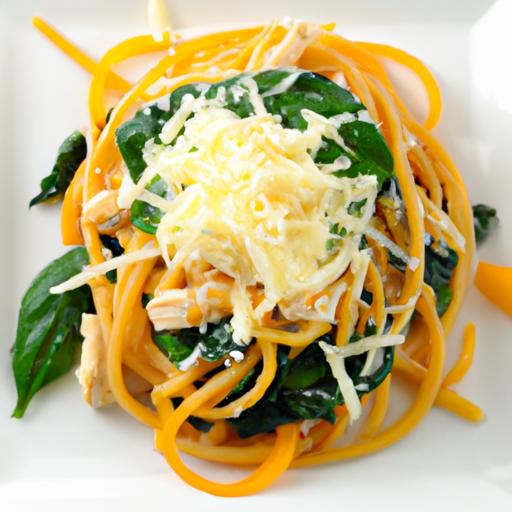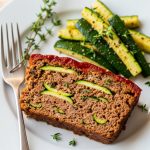

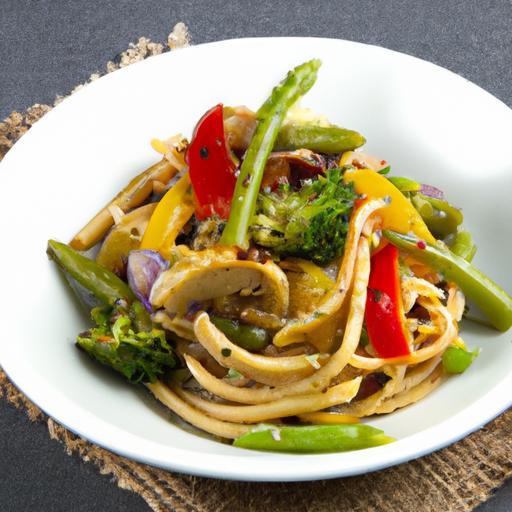
Step aside, traditional pasta-there’s a new kind of noodle in town, and it’s here to revolutionize your plate without derailing your low-carb goals.Whether you’re cutting carbs, managing blood sugar, or simply craving a lighter twist on your favorite dishes, swapping out classic noodles for smarter alternatives can unlock a world of tasty possibilities. In this article, we’re diving fork-first into the top low-carb noodle swaps that not only satisfy your cravings but also invigorate your meals with fresh flavors and surprising textures. Get ready to twist your taste buds with creative, health-conscious options that will make you rethink what noodles can be.
Twist Your Taste Buds: Top Low Carb Noodle Swaps Revealed invites home cooks and health enthusiasts alike to discover noodle alternatives that transform everyday dishes into vibrant, nutritious masterpieces. Whether you’re craving a comforting bowl of pasta or experimenting with a fresh stir-fry, low carb noodles offer a satisfying texture and subtle flavor, all while targeting balanced nutrition. Drawing from global culinary inspirations and modern innovation,thes options elevate your meals without compromising on taste or tradition.
Prep and Cook Time
- Planning: 10-15 minutes
- Cooking: 5-12 minutes, depending on noodle type
- Total: Approx. 20 minutes
Yield
Serves 4 as a main course or 6 as a side dish
Difficulty Level
Easy to Medium – perfect for beginners and experienced cooks aiming to explore creative low carb swaps
Ingredients
- 1 medium zucchini (spiralized to create zucchini noodles, aka zoodles)
- 1 cup shirataki noodles (rinsed and drained thoroughly to reduce odor)
- 1 package kelp noodles (soaked in warm water for 10 minutes)
- 1 tablespoon avocado oil (or olive oil for sautéing)
- 2 cloves garlic (minced)
- 1 cup cherry tomatoes (halved)
- ½ teaspoon crushed red pepper flakes (optional, for heat)
- Fresh basil leaves (for garnish)
- Salt and freshly ground black pepper (to taste)
- Grated Parmesan cheese or nutritional yeast (for topping, optional)
Instructions
- Prepare the noodles: Spiralize the zucchini into noodles using a spiralizer or julienne peeler. Rinse shirataki noodles thoroughly under warm water, then drain well to remove excess moisture and reduce their natural scent. Soak kelp noodles in warm water for about 10 minutes to soften.
- Heat the oil: In a large nonstick skillet,warm the avocado oil over medium heat. Add the minced garlic and sauté gently for 1-2 minutes until fragrant, but not browned, to bring out sweetness.
- Sauté the noodles: Add the zucchini noodles to the pan and cook for 2-3 minutes, tossing frequently to avoid sogginess. Next, add the shirataki and kelp noodles, stirring carefully to combine.
- Add flavor: Toss in the halved cherry tomatoes and crushed red pepper flakes.Cook for an additional 2 minutes until tomatoes soften but retain shape. Season the mixture with salt and freshly ground black pepper, adjusting to taste.
- Final touches: Remove the pan from heat. Sprinkle with fresh basil leaves and your choice of grated Parmesan cheese or nutritional yeast for a dairy-free option. serve promptly to maintain the noodles’ ideal texture.
Chef’s Notes: Tips for Success
- Drain and dry shirataki noodles well: This step is crucial in minimizing their slight fishy aroma and ensuring an authentic noodle texture.
- Lightly sauté zucchini noodles: Zoodles can release water quickly, so cook briefly to keep them crisp and avoid a watery dish.
- Experiment with sauces: Low carb noodles pair wonderfully with creamy avocado pesto, tomato-based sauces, or nutty tahini dressings-ideal for diverse flavor profiles.
- Make ahead: Prepare spiralized veggies and rinse shirataki noodles in advance; store separately in airtight containers for fast cooking.
- Substitutions: Try spaghetti squash noodles or heart of palm pasta as additional low carb options that offer unique textures and subtle sweetness.
Serving Suggestions
Present your low carb noodle creation in shallow bowls to showcase the colorful medley of ingredients. Garnish with vibrant basil leaves and a light drizzle of high-quality extra virgin olive oil for added gloss and flavor depth. Sprinkle toasted pine nuts or slivered almonds for delightful crunch contrast. Pair this dish with a crisp arugula salad tossed in lemon vinaigrette and roasted cherry tomatoes for a complete, visually stunning meal.
| Nutrient | Per Serving |
|---|---|
| calories | 150 |
| Protein | 6g |
| Net carbs | 7g |
| Fat | 9g |
Explore more low carb recipes that celebrate flavor and wellness, or visit Healthline’s comprehensive low carb diet guide for scientific insights and diet tips.

Q&A
Q&A: Twist Your Taste Buds: Top Low carb Noodle Swaps Revealed
Q1: Why should I consider swapping traditional noodles for low carb alternatives?
A: Traditional noodles are typically high in refined carbs, which can spike blood sugar and derail low carb or keto goals. Low carb noodle alternatives help you enjoy your favorite pasta dishes while keeping your carb intake in check, fueling your body with sustained energy and supporting healthier digestion.
Q2: What are some popular low carb noodle swaps that still deliver on texture and taste?
A: spiralized zucchini (zoodles) offers a fresh, slightly crunchy bite perfect for sauces. Shirataki noodles,made from konjac yam,provide a chewy,slippery texture and virtually zero carbs. Spaghetti squash effortlessly mimics noodle strands when roasted, delivering a mild sweetness. Palmini noodles, made from hearts of palm, bring a neutral flavor with a satisfying bite.
Q3: How do vegetable-based noodles compare nutritionally to traditional pasta?
A: Vegetable noodles are generally lower in calories and carbohydrates while offering fiber, vitamins, and minerals. As a notable example, zucchini noodles are rich in vitamin C and antioxidants, while spaghetti squash provides vitamins A and C alongside fiber, making these swaps both tasty and nutrient-rich.
Q4: Are there any tips for cooking these alternative noodles to avoid sogginess or mushiness?
A: Yes! For zucchini noodles, salt them lightly and let them sit for 10 minutes to draw out excess moisture before cooking. Shirataki noodles benefit from thorough rinsing and a quick pan dry for better texture.Roasting spaghetti squash ensures the strands stay firm yet tender-avoid overcooking!
Q5: Can I use these low carb noodles in my favorite international dishes?
A: Absolutely! Zoodles work great in Italian pastas or Asian stir-fries. shirataki noodles shine in Japanese-inspired dishes like stir-fry or soups. Spaghetti squash pairs wonderfully with classic red sauces or creamy Alfredo. Palmini noodles, with their mild taste, adapt seamlessly to many cuisines, from Mediterranean to Thai.
Q6: How do I store low carb noodles to keep them fresh and ready to use?
A: Fresh vegetable noodles keep best in an airtight container in the fridge for 2-3 days.Shirataki noodles come pre-packaged in liquid and should be rinsed and dried before storing in water if not used immediately, changing water every few days. Cooked spaghetti squash can be stored in the fridge for up to 5 days in a sealed container.
Q7: Are there any low carb noodle options suitable for those with gluten sensitivities?
A: Most low carb noodle alternatives like spiralized vegetables, shirataki, spaghetti squash, and palmini noodles are naturally gluten-free, making them excellent choices for people avoiding gluten without sacrificing noodle cravings.
Q8: What creative sauces or toppings complement low carb noodles best?
A: Think beyond traditional marinara! Pesto made with fresh basil and nuts offers vibrant flavor without excess carbs. Creamy avocado-based sauces add richness and healthy fats. Asian-inspired dressings with sesame oil, ginger, and garlic pair beautifully with veggie or shirataki noodles. Roasted veggies, fresh herbs, and toasted seeds or nuts create textural interest.
Q9: Can low carb noodle swaps satisfy pasta cravings on a budget?
A: Definitely! Zucchini and spaghetti squash are affordable and frequently enough available year-round. Shirataki noodles may cost a bit more but last a long time unopened. Buying seasonal veggies and experimenting with homemade spiralizers or kitchen tools can definitely help you enjoy low carb noodles without breaking the bank.
Q10: what’s the best way to start incorporating low carb noodle swaps into my meals?
A: Begin small-replace half your usual pasta portion with zoodles or spaghetti squash to get accustomed to the taste and texture.experiment with your favorite sauces and recipes, gradually increasing the veggie noodle ratio. Soon, you’ll find deliciously creative ways to twist your taste buds while embracing a healthy lifestyle!
In Summary
As you venture beyond traditional pasta and embrace these innovative low-carb noodle swaps, your meals transform from routine to remarkable. Whether it’s the crisp crunch of spiralized vegetables, the subtle earthiness of konjac noodles, or the delicate chew of shirataki, each option invites you to twist your taste buds in exciting new directions. With these top swaps in your culinary arsenal, maintaining a low-carb lifestyle never means sacrificing flavor or variety-just endless opportunities to savor every bite, one noodle at a time. So go ahead, slurp, twirl, and devour your way to healthier, happier plates!