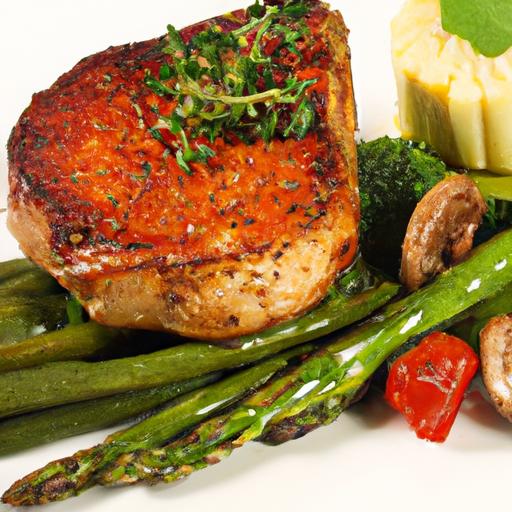

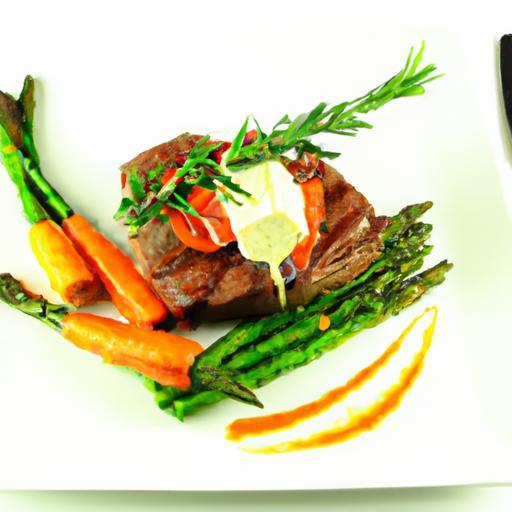
When it comes to savoring the rich world of meat, three classic contenders often take center stage: roast, steak, and chops. Each offers a unique journey from the butcher’s block to the dining table,enticing our taste buds with distinct textures,flavors,and cooking traditions. But what exactly sets these flavorful trio apart, and how can understanding their differences elevate your next meal? Join us as we unravel the savory mysteries behind roasts, steaks, and chops-delighting meat lovers and curious cooks alike with insights that turn every bite into a celebration.
Mastering Juiciness and Tenderness: Choosing Cuts and Techniques for Roasts, Steaks, and Chops
Roast vs. Steak vs. Chops highlights the captivating diversity in texture and flavor when you select the right cut paired with cooking techniques that maximize juiciness and tenderness. Understanding these elements transforms every culinary creation into an unforgettable meat experience.
Each cut has a unique personality: roasts often boast deep, hearty textures ideal for low and slow preparations; steaks shine with a rich, buttery mouthfeel best captured by high-heat searing; chops strike a perfect balance of marbled texture and rapid cook times for succulent satisfaction. Choosing the right cut based on your cooking goal ensures your meat is more than just food-it becomes a sensory journey.
Prep and Cook Time
- Readiness: 10-15 minutes
- Cook Time: 15 minutes to 3 hours depending on cut and method
- Total Time: 25 minutes to 3 hours 15 minutes
Yield
- Serves 4-6 people depending on cut size and accompaniments
Difficulty Level
- Medium – Requires attention to temperature and timing for optimal texture
Ingredients
- 2 lbs boneless beef chuck roast,trimmed of excess fat
- 4 USDA Choice ribeye steaks (about 8 oz each),well-marbled
- 4 lamb loin chops,about 1 inch thick
- 3 tbsp olive oil,divided
- 4 cloves garlic,smashed and peeled
- Fresh rosemary sprigs (about 4 sprigs)
- Salt and freshly ground black pepper to taste
- 2 tbsp unsalted butter
- 1 cup low-sodium beef broth
instructions
- prepare the Roast: Preheat your oven to 325°F (163°C). Rub the chuck roast with 1 tablespoon olive oil,salt,and pepper. In a heavy oven-safe skillet or Dutch oven, sear the roast over medium-high heat for 3-4 minutes per side until golden brown.Add garlic and rosemary around the roast, pour beef broth, then cover and transfer to the oven for 2.5-3 hours until fork-tender.
- Cook the Ribeye Steaks: About 30 minutes before roast finishes, season ribeye steaks liberally with salt and pepper. Heat 1 tablespoon olive oil in a cast-iron skillet over high heat until just smoking. Sear steaks for 3-4 minutes per side for medium-rare, adding butter and garlic in the final minute to baste for extra flavor and juiciness. Remove steaks and let rest 5 minutes before slicing.
- Prepare the Lamb Chops: Season lamb chops with salt and pepper. Heat remaining olive oil in a heavy skillet over medium-high heat. Sear chops 3 minutes each side for medium-rare, basting with melted butter and rosemary sprigs in the last minute. Remove and rest for a few minutes before serving.
- rest and Serve: Rest all meats uncovered for 5-10 minutes post-cooking to reabsorb juices, locking in tenderness and flavor.
tips for Success
- For roasts, low-and-slow cooking breaks down connective tissues, yielding melt-in-your-mouth tenderness perfect for hearty meals.
- High-heat searing on steaks and chops creates a flavorful crust through the Maillard reaction while preserving juicy interiors.
- Always let meat rest after cooking to allow the juices to redistribute-cutting too early causes dryness.
- Use a meat thermometer to ensure perfect doneness: 135°F (57°C) for medium-rare steaks and chops; 190-200°F (88-93°C) for tender roasts.
- Fresh herbs like rosemary and garlic enhance depth without overpowering the natural meat flavors.
- For variation, try swapping beef chuck roast with grass-fed alternatives or experiment with different steak cuts such as striploin for leaner texture.
Serving Suggestions
Plate roasted beef alongside creamy mashed potatoes or roasted root vegetables to soak up the rich pan juices. Serve ribeye steaks with a vibrant chimichurri or herb gremolata for freshness.Lamb chops shine paired with mint sauce,garlic sautéed greens,or a fragrant couscous salad. Garnish with fresh rosemary sprigs or a sprinkle of coarse sea salt to elevate every bite visually and flavor-wise.

| Cut | Calories (Per 100g) | Protein (g) | Carbs (g) | Fat (g) |
|---|---|---|---|---|
| Chuck Roast | 250 | 26 | 0 | 16 |
| Ribeye Steak | 290 | 25 | 0 | 22 |
| Lamb Chop | 282 | 23 | 0 | 20 |
To dive deeper into expert meat cooking techniques or explore detailed guides on beef cuts, visit our extensive resources. For additional food science insight, the Serious Eats Food Lab offers excellent analyses on perfect cooking temperatures and textures.
Q&A
Q&A: Roast vs. Steak vs. Chops - Unraveling Meat’s Delicious Trio
Q1: What distinguishes a roast from a steak and chops?
A1: At its core, the difference lies in the cut and cooking method. A roast is typically a large, whole cut of meat cooked slowly at lower temperatures to achieve tenderness-think of a big beef chuck or leg of lamb. Steaks are smaller,individual cuts sliced across the muscle fibers,perfect for quick,high-heat cooking like grilling or searing. Chops are similar to steaks but usually come from the rib, loin, or shoulder of an animal, often featuring a bone, lending them extra flavor and juiciness.
Q2: How does cooking technique vary between roasts, steaks, and chops?
A2: Roasts thrive on slow, even heat-usually in the oven or on a spit-allowing connective tissues to break down and flavors to deepen, creating tender, juicy meat. Steaks demand a hot, brief encounter with heat-searing to lock in juices while achieving a crusty exterior. Chops enjoy versatile treatment but often benefit from a fast skillet sear followed by gentle oven finishing or grilling, balancing tenderness and caramelized flavor.
Q3: Are certain cuts better suited for roasting versus grilling or pan-searing?
A3: Absolutely. Larger, tougher cuts like brisket, chuck, or leg roasts shine when roasted low and slow, as this method softens connective tissue.Tender cuts such as ribeye, striploin, and tenderloin steaks excel when grilled or seared quickly to medium-rare perfection. Chops from lamb or veal-like loin or rib chops-bridge the two worlds, adapting well to both quick cooking and moderate roasting.
Q4: How does bone-in vs. boneless impact the experience of steaks and chops?
A4: Bones offer more than structure; they infuse additional flavor and retain moisture during cooking. A bone-in chop or steak frequently enough boasts richer taste and juicier meat. Boneless cuts, on the other hand, cook more evenly and are easier to slice or dice for various recipes, offering convenience and adaptability.
Q5: Can the same cut be prepared as a roast, steak, or chop depending on how it’s sliced?
A5: Definitely! Take the lamb shoulder, such as-it can be roasted whole for a succulent, slow-cooked centerpiece, or sliced into chops for quick grilling. Similarly, a beef sirloin can be cooked as a roast or cut into steaks. It’s all about thickness and bone presence. But the cooking method should align with the chosen cut’s characteristics to optimize flavor and texture.
Q6: What role does marbling play in choosing between roast, steak, or chop?
A6: Marbling - the intramuscular fat veins - is a key to flavor and tenderness.Steaks with good marbling, like ribeye, deliver juicy, buttery bites when seared.Roasts with moderate marbling benefit from slow cooking to render fat and break down tissue. Chops from animals like lamb often have charming marbling that enhances their rich flavor and moist texture.
Q7: Is one of these three cuts better for a special occasion dinner?
A7: It depends on the vibe. Roasts impress with their grandeur and the comforting, shared experience of carving at the table. Steaks bring a sophisticated,intimate flair-perfect for a bold,quick celebration. Chops offer a rustic yet refined option, balancing approachability and elegance with their distinctive flavors and appealing presentation.
Q8: What are some popular seasonings or marinades for roasts, steaks, and chops (excluding any pork-related references)?
A8: For roasts, robust herbs like rosemary, thyme, garlic, and black pepper complement the deep, slow-cooked flavors beautifully. Steaks love bold, minimalist seasonings-sea salt, fresh cracked pepper, and a hint of smoked paprika or chili flakes. Chops pair well with fragrant blends such as mint and garlic for lamb or sage and lemon zest for veal, enhancing their natural flavors without overpowering them.
Q9: How should one rest roasts, steaks, and chops after cooking?
A9: Resting lets juices redistribute for a tender, flavorful bite. roasts benefit from longer rests, often 15-20 minutes, covered loosely to keep warm. Steaks and chops need less time-5 to 10 minutes-ensuring they remain warm while settling perfectly. Cutting too soon risks losing precious juices onto the cutting board.
Q10: Can these three meat cuts be used interchangeably in recipes?
A10: While they can sometiems substitute each other, it’s crucial to respect their unique textures and cooking needs. Swapping a slow-cooked roast for a quick steak risks toughness, while grilling a thick chop without proper timing can leave it undercooked inside.Matching method and thickness to the cut guarantees the tastiest results.
In unraveling the trio of roast, steak, and chops, understanding their defining traits deepens thankfulness for meat’s versatility-turning every meal into a delicious adventure.
In Retrospect
As the savory scents of roast, steak, and chops linger in our minds, it’s clear that each cut tells its own flavorful story-a tale of texture, technique, and tradition. Whether you crave the slow-braised depth of a roast, the sizzling sear of a perfectly cooked steak, or the tender bite of succulent chops, understanding their distinctions transforms every meal into a culinary adventure. So next time you stand at the butcher’s counter or browse the menu, let this trio’s unique qualities guide your choice-and savor the delicious journey that follows. After all, in the world of meat, it’s not just about the cut; it’s about the experience each one brings to your plate.