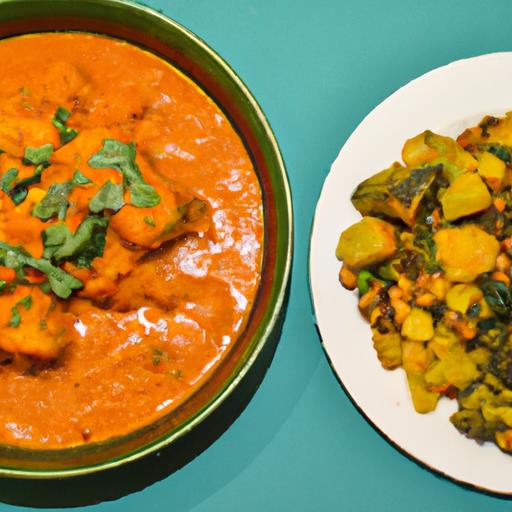


In a world where culinary tradition meets modern nutrition, the humble curry takes on a vibrant new identity. Enter the flavorful plant protein curry-a dish that not only honors rich, time-tested spices but also embraces the power of plant-based ingredients to nourish the body and delight the palate. This nutritious twist on a beloved classic reinvents comfort food with a bounty of textures and tastes, proving that health and heritage can coexist harmoniously in every spoonful. Join us as we explore the art of crafting this mouthwatering fusion, where plant protein transforms curry into a wholesome party of flavor and wellness.
Exploring the Richness of Plant-Based Proteins in Curry Creations
Flavorful Plant Protein Curry is a appetizing way to embrace a wholesome, vibrant meal that marries the depth of traditional spices with the nourishing benefits of plant-based ingredients. This curry is inspired by the warmth of classic Indian cuisine, reimagined to spotlight legumes, tofu, and tempeh-each a powerhouse of protein and texture. Whether you’re vegan, vegetarian, or simply looking to diversify your meals, this dish is a fantastic way to enjoy bold flavors while fueling your body with nutrient-rich, sustainable ingredients.
Prep and Cook time
- Readiness: 20 minutes
- Cooking: 35 minutes
- Total Time: 55 minutes
Yield
- Serves 4 generously
Difficulty Level
- Medium – perfect for cooks pleasant with layering spices and balancing flavors
Ingredients
- 1 cup dried chickpeas (soaked overnight and boiled) or 2 cups canned, drained
- 200g firm tofu, pressed and cubed
- 1 cup diced seasonal vegetables (such as sweet potato, bell peppers, and green beans)
- 2 tbsp coconut oil or any neutral oil
- 1 large onion, finely chopped
- 3 cloves garlic, minced
- 1 inch fresh ginger, grated
- 2 medium tomatoes, pureed
- 1 tbsp garam masala
- 1 tsp turmeric powder
- 1 tsp cumin seeds
- 1 tsp coriander powder
- ½ tsp red chili powder (adjust to taste)
- 1 cup coconut milk
- Salt to taste
- Fresh cilantro (coriander leaves) for garnish
- juice of half a lemon
- Optional: 1 green chili, finely chopped for extra heat
Instructions
- Prepare the chickpeas: If using dried chickpeas, soak overnight. Drain and boil until tender, about 45 minutes. Canned chickpeas can be rinsed and used directly.
- Sear the tofu: Heat 1 tablespoon of coconut oil in a large skillet over medium heat.add the cubed tofu and sauté until golden on all sides, about 6-8 minutes. remove and set aside.
- sauté aromatics: In the same pan, add the remaining coconut oil. Toss in cumin seeds and let them sizzle for 30 seconds. Add chopped onions and sauté until translucent and golden brown, approximately 7 minutes.
- Add garlic, ginger, and green chili: Stir for 2 minutes until fragrant, careful not to burn the garlic.
- Incorporate the spices: Add turmeric, coriander powder, garam masala, and red chili powder. Mix well with the onion base, roasting the spices gently to release their full aroma, about 1-2 minutes.
- Tomato base: Pour in the pureed tomatoes. Cook down for 5-7 minutes,stirring frequently enough until the mixture thickens and the oil begins to separate.
- Add vegetables and chickpeas: Stir the diced seasonal vegetables into the spice mix, followed by the boiled chickpeas. Mix well to coat everything evenly.
- Simmer with coconut milk: Pour the coconut milk over the mixture, stirring gently to combine. Cover and let simmer for 15 minutes or until vegetables are tender yet firm to the bite.
- Return tofu to curry: Add the seared tofu cubes into the pan. Stir carefully and heat through for an additional 5 minutes, allowing the flavors to meld beautifully.
- Finish with lemon juice and garnish: Squeeze fresh lemon juice over the curry to brighten the flavors.Garnish generously with chopped cilantro before serving.
Tips for Preparing and storing Plant Protein Curry for busy Lifestyles
This flavorful plant protein curry shines even brighter when prepared in advance. Make a double batch and refrigerate portions in airtight containers for up to 4 days.It also freezes exceptionally well; simply thaw overnight in the fridge and reheat gently on the stovetop or in the microwave, stirring occasionally.
For maximum texture retention, add tofu fresh or reheat it separately to avoid it becoming too soft. If your curry thickens too much after refrigeration, stir in a splash of coconut milk or water when reheating.
Using seasonal vegetables like squash in fall or fresh green beans in summer provides unique textures and boosts the curry’s nutrient profile while keeping it exciting through the year.
Chef’s Notes
- Protein Swaps: Lentils, tempeh, or kidney beans can be excellent alternatives or additions.
- Spice Variation: Experiment with adding a cinnamon stick or star anise during cooking for warm undertones.
- Heat Level: Adjust chili according to your spice tolerance; add fresh chopped chilis or dried flakes.
- Oil Choices: Coconut oil imparts a subtle tropical aroma, but vegetable or sunflower oil works well too.
- make-Ahead Prep: chop all vegetables and soak legumes the night before for a swift cooking process.
Serving Suggestions
This curry pairs perfectly with fluffy basmati rice or warm whole wheat flatbreads like chapati or naan (vegan versions recommended). Top with a dollop of coconut yogurt to mellow the spices and add creaminess. Garnish with toasted cashews or sliced almonds for crunch and a sprinkle of fresh pomegranate seeds for a burst of sweetness and visual contrast.
A crisp cucumber and mint raita or a side of tangy mango chutney creates a truly balanced plate, inviting a spectrum of flavors and textures.

| Nutrient | Per Serving |
|---|---|
| Calories | 350 kcal |
| Protein | 18 g |
| Carbohydrates | 40 g |
| Fat | 12 g |
For more vibrant plant-based recipes,check out our collection of vegan Indian dishes. To understand the science behind plant protein benefits, visit Harvard T.H. Chan School of Public Health.
Q&A
Q&A: Flavorful Plant Protein Curry – A Nutritious Twist on Tradition
Q1: What makes a plant protein curry different from traditional meat-based curries?
A1: Plant protein curries swap animal proteins for nutrient-rich plant sources like lentils, chickpeas, tofu, tempeh, or textured vegetable protein. This shift not only caters to vegetarian and vegan diets but also introduces a lighter, fiber-rich, and heart-healthy alternative without compromising on depth of flavor or texture.The magic lies in blending robust spices with plant-based ingredients that soak up the curry’s fragrant sauce beautifully.
Q2: How can one ensure the curry remains flavorful without meat?
A2: Flavor in plant protein curry is all about layering spices and aromatics. Begin with a sizzling tempering of mustard seeds, cumin, garlic, ginger, and fresh chili. Use a combination of spices like turmeric, coriander, garam masala, and smoked paprika to build complexity. Incorporating ingredients such as caramelized onions, ripe tomatoes, coconut milk, and a touch of acidity (like lemon juice or tamarind) creates a luscious sauce that makes the plant proteins sing.
Q3: Which plant proteins work best in curry dishes?
A3: Some of the stars for plant protein curries include chickpeas, which are hearty and absorb flavors well; red or brown lentils that cook down into creamy textures; tofu and tempeh that offer a meaty bite; and even seeds like hemp or quinoa for added nutrients. Each brings its own texture and nutritional profile, so experimenting can lead to pleasantly surprising results.Q4: Can plant protein curry be a balanced meal?
A4: Absolutely! when combined with a variety of vegetables, plant proteins, and healthy fats like coconut milk or olive oil, these curries become powerhouses of nutrition. They provide essential amino acids, fiber, vitamins, and minerals while keeping saturated fats low. Serving curry over whole grains like brown rice or millet rounds out the meal for sustained energy and fullness.
Q5: How can someone new to plant protein curries start cooking one at home?
A5: Start simple. Pick a base protein like chickpeas and a familiar vegetable such as spinach or potatoes. Use a store-bought curry powder or paste as your spice blend. Sauté onions, garlic, and ginger until fragrant, add spices, then your protein and vegetables, followed by coconut milk or broth. Let it simmer until everything melds together. With practice, you’ll gain confidence and can begin crafting your own personalized curry masterpieces.
Q6: Are there any tips to enhance the texture of plant proteins in curry?
A6: Yes! For tofu, pressing out excess moisture and pan-frying before adding it to the curry gives a delightful chewiness. Lentils should be cooked just until tender but not mushy, maintaining a slight bite. Roasting vegetables before adding them can add depth and an appealing caramelized texture. These steps take your curry from ordinary to extraordinary.
Q7: What are some common spices that give plant protein curries their signature taste?
A7: Key spices include cumin, coriander, turmeric, cinnamon, cardamom, mustard seeds, fenugreek, and garam masala. Fresh ingredients like ginger, garlic, and chili peppers also play crucial roles. These spices create a layered and warming flavor profile that’s synonymous with curry while enhancing the natural qualities of plant proteins.
Bringing plant proteins into the curry kitchen opens a world of bold flavors, health benefits, and culinary creativity-a true twist on tradition that honors time-tested techniques while embracing the future of nourishing food.
Future Outlook
As the vibrant aromas of this flavorful plant protein curry fill your kitchen, they invite more than just your appetite-they beckon a celebration of nourishment and tradition reimagined. By embracing wholesome, plant-based ingredients, this dish not only honors the rich heritage of curry but also offers a nutritious twist that supports both body and planet. Whether you’re a seasoned vegan, a curious foodie, or simply someone seeking a delicious way to diversify your meals, this curry stands as a testament to how healthful choices can be deeply satisfying and full of soul. So next time you crave warmth and spice, let this plant-powered curry inspire you to savor the fusion of flavor and nutrition, proving that tradition and innovation can harmoniously share the same plate.