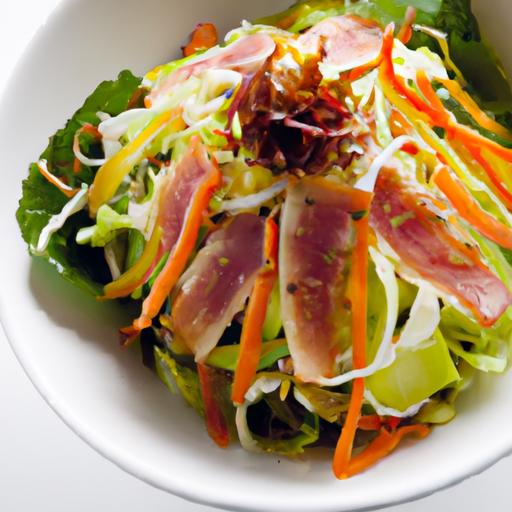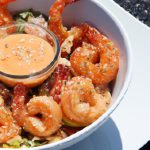

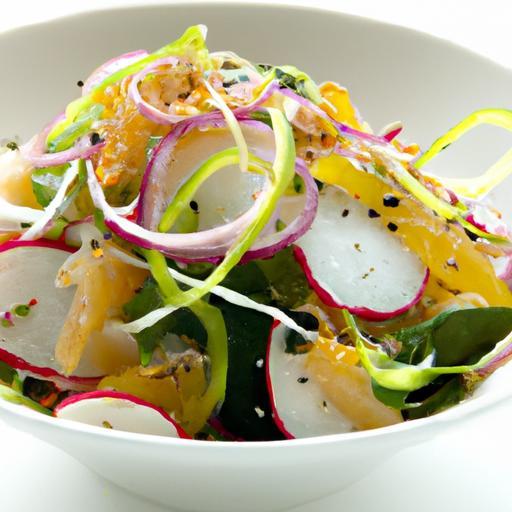
In the vibrant world of culinary presentation, the smallest details often hold the greatest power to transform a meal. enter the Asian salad dressing bowl-a deceptively simple vessel that elevates not only the flavors but also the entire dining experience. From the delicate porcelain of Japan to the rustic earthenware of Southeast Asia, these bowls are more than just containers; they are cultural storytellers, artisans of balance, and champions of savor. In this article, we invite you to explore the art of Asian salad dressing bowls, uncovering their rich heritage, unique designs, and the subtle ways they enhance your table.Prepare to see your salads in a whole new light, where every drizzle becomes a moment of aesthetic and sensory delight.
- Choosing the Perfect Materials to Enhance Flavor and Presentation
- Exploring Traditional Asian Designs That Bring Authenticity to Your Table
- Crafting Signature Dressing Bowls for Every Cuisine and Occasion
- Innovative Pairings and Serving tips to Impress Your Guests
- Prep and Cook Time
- Yield
- Difficulty Level
- Ingredients
- Instructions
- Chef’s Notes
- Serving suggestions
- Q&A
- Wrapping Up
Choosing the Perfect Materials to Enhance Flavor and Presentation
Elevate Your Table: the Art of Asian Salad Dressing Bowls is as much about the vessel as the vibrant flavors it holds. Selecting the right materials not only elevates the taste experience but transforms every meal into a celebration of craftsmanship. Whether you’re mixing a tangy sesame dressing or a creamy miso blend,the bowl you choose plays a subtle yet essential role in preserving flavor and enhancing the visual appeal.
Customary Asian salad dressing bowls are frequently enough crafted from natural materials like ceramic, porcelain, and bamboo, each contributing unique benefits. Ceramic bowls offer excellent heat retention and a smooth surface that won’t absorb odors, keeping your dressings fresh and vibrant. Porcelain bowls provide a pristine white canvas that makes colorful sauces visually pop, ideal for tablescapes that aim to captivate. Meanwhile, bamboo bowls add an earthy touch, perfect for casual settings that honor sustainable design and organic textures.
Exploring Traditional Asian Designs That Bring Authenticity to Your Table
Embracing authentic Asian inspired designs creates a memorable dining atmosphere. Bowls adorned with intricate hand-painted patterns-florals,waves,or geometric motifs-bring history and culture right to your table. Such as, Japanese kutani pottery with its vibrant reds and greens or Chinese blue-and-white porcelain tells a story beyond the plate’s content. These artistic touches invite conversation and deepen thankfulness for the cuisine.
Woodcraft bowls, frequently enough lacquered with traditional urushi techniques, add glossy sophistication coupled with practicality; their durability is unmatched for everyday use. When selecting your signature salad dressing bowl, aim for pieces that harmonize both form and function, enriching the sensory experience while honoring tradition.
Crafting Signature Dressing Bowls for Every Cuisine and Occasion
Creating your signature salad dressing bowls palette involves matching the intensity and texture of your dressings with the ideal bowl size and shape. Deep, narrow bowls perfectly cradle emulsified dressings like a ginger-sesame vinaigrette, while wide, shallow bowls suit chunky, herb-heavy dressings that encourage dipping and swirling.
For festive occasions or intimate dinners, consider layering nested bowls: a bold patterned outer bowl framing a simple inner vessel lets your guests appreciate the artistry of your plating. To add a modern twist, combine handmade pottery textures with contemporary minimalist shapes.Your asian salad dressing bowls can also double as mini dipping vessels for sushi or steamed dumplings, maximizing their use.
Innovative Pairings and Serving tips to Impress Your Guests
Pairing your dressings with thoughtfully chosen accompaniments amplifies the flavor journey. A soy-ginger dressing in a sleek black ceramic bowl paired with vibrant julienned vegetables creates a stunning contrast that tantalizes both eye and palate. Fresh herbs like Thai basil or cilantro sprinkled atop align taste with visual finesse.
Take your presentation to the next level by adding edible flowers or delicate toasted sesame seeds as finishing touches. Serve your Asian salad dressing bowls alongside woven bamboo placemats and lacquer chopsticks for a multisensory dining ritual. Once you master these pairings, guests will be inspired not only by flavor but by an immersive cultural experience.
Prep and Cook Time
- Prep Time: 10 minutes
- Cook Time: None (for dressings; preparation of bowls and garnishes extra)
Yield
Serves 4-6, with individual dressing bowls for sharing and dipping
Difficulty Level
Easy to Medium – perfect for home cooks seeking to refine presentation alongside flavor
Ingredients
- 1/4 cup toasted sesame oil
- 2 tbsp low-sodium soy sauce
- 1 tbsp fresh grated ginger
- 1 tbsp rice vinegar
- 1 tsp honey or maple syrup
- 1 small clove garlic, minced
- 1 tbsp finely chopped scallions
- 1 tsp toasted sesame seeds, for garnish
Instructions
- Combine the toasted sesame oil, soy sauce, rice vinegar, honey, ginger, and garlic in your chosen dressing bowl. Tip: Use a small whisk or chopsticks to emulsify evenly.
- Stir in the finely chopped scallions to give fresh bursts of flavor and texture.
- Let the dressing rest at room temperature for 10 minutes so the flavors meld beautifully.
- Before serving, sprinkle toasted sesame seeds on top for a subtle crunch and visual appeal.
- Use the dressing immediatly with your salad or set the bowl at the table for guests to drizzle as desired.
Chef’s Notes
- Variation: Swap honey for agave nectar or omit for a vegan-friendly dressing.
- Make-ahead: Dressings can be refrigerated up to 48 hours in ceramic or glass bowls; stir well before use.
- Troubleshooting: If the dressing separates, whisk vigorously or stir with chopsticks to re-emulsify.
- Substitution: For a nuttier twist, replace sesame oil with walnut or peanut oil, ensuring no allergies.
- Pro tip: Warm a ceramic bowl slightly before adding dressing to enhance aromas when served.
Serving suggestions
Serve your dressing in artisan Asian salad dressing bowls surrounded by crisp greens like baby bok choy, napa cabbage, and crunchy cucumber ribbons. garnish with a sprinkle of microgreens or thinly sliced red chili for a pop of color. Pair with steamed jasmine rice and grilled tofu or chicken skewers to complete an elegant spread. Present each bowl alongside wooden or bamboo serving spoons to encourage interactive tasting and elevate guest engagement.
| Nutrition | Per Serving |
|---|---|
| calories | 90 kcal |
| Protein | 1 g |
| Carbohydrates | 3 g |
| Fat | 8 g |

For further inspiration, explore our collection of Asian salad recipes or learn more about traditional pottery techniques at The Met’s Asian Art collection.
Q&A
Q&A: Elevate Your Table – The Art of Asian Salad Dressing bowls
Q1: What is an Asian salad dressing bowl, and why should I consider using one?
A1: An Asian salad dressing bowl is a dedicated small vessel designed to hold vibrant, flavorful dressings that complement fresh salads. More than a simple container, it’s a canvas for bold uses of herbs, spices, and unique textures-transforming a routine meal into a sensory experience. Using one invites diners to personalize each bite, blending tastes and aromas with precision and flair.
Q2: How do Asian salad dressing bowls differ from typical Western counterparts?
A2: Unlike the common Western dressing bottles or ramekins, Asian salad dressing bowls frequently enough boast elegant shapes and materials-think delicate ceramics or rustic wood-that celebrate cultural aesthetics. They encourage mindful pouring or dipping, allowing the vivid umami-rich dressings to shine in harmony with crisp vegetables and fresh greens, rather than overwhelming them.
Q3: What are some classic ingredients found in Asian salad dressings served in these bowls?
A3: Classic dressings spotlight ingredients like tangy rice vinegar, fragrant sesame oil, pungent ginger, bright lime juice, sweet mirin, fiery chili flakes, and savory soy sauce. Fresh herbs such as cilantro, Thai basil, or shiso often mingle with toasted sesame seeds or crunchy garlic for layers of texture and flavor.
Q4: Can these bowls be used for dressings beyond traditional Asian flavors?
A4: Absolutely! While they honor Asian culinary traditions, these bowls are versatile and stylish enough for a fusion approach. Imagine zesty citrus-soy vinaigrettes, miso-ginger citrus blends, or coconut-lime dressings. Their intimate size and elegant design encourage creativity without compromising sophistication.
Q5: How can using Asian salad dressing bowls elevate the dining experience at home or for guests?
A5: Presentation plays a powerful role in appetite and enjoyment. Serving dressings in charming, artistic bowls invites conversation and ceremony. It allows guests to adjust flavors to their preference, making the meal feel interactive and thoughtful. Paired with colorful salads featuring crunchy veggies, fresh herbs, and perhaps delicate noodles or tofu, it elevates the entire table into an inspired culinary journey.Q6: Are there tips for selecting the perfect Asian salad dressing bowl for my kitchen?
A6: Consider material, size, and design. Porcelain or stoneware with minimalist motifs embrace classic elegance, while bamboo or lacquered wood add warmth and texture. A bowl should comfortably hold 1/4 to 1/3 cup of dressing-enough for individual servings or sharing small amounts. Look for easy-to-clean finishes and shapes that facilitate smooth pouring or dipping.
Q7: Can making your own Asian salad dressings enhance the use of these bowls?
A7: Without a doubt! Crafting dressings from scratch lets you tailor brightness,spice,and sweetness to your taste,infusing freshness and authenticity. The ritual of whisking together fresh ingredients and pouring into a stunning bowl adds an element of artistry and mindfulness to the meal prep.
Q8: What are some easy asian salad dressing recipes to try in these bowls?
A8: Start simple with a classic dressing: whisk together 2 tablespoons rice vinegar, 1 tablespoon soy sauce, 1 teaspoon toasted sesame oil, 1 teaspoon grated ginger, and a pinch of chili flakes. Or try a citrusy twist by blending lime juice, mirin, a touch of honey, and finely chopped cilantro. These vibrant blends showcase how these bowls can be both practical and a work of art on your table.
Embrace the union of tradition, elegance, and inventive flavor by incorporating Asian salad dressing bowls into your dining rituals.A small bowl, a big leap in taste and style!
Wrapping Up
As you embark on your journey to elevate every meal, remember that the humble salad dressing bowl is more than just a vessel-it’s a canvas for creativity and a gateway to authentic flavors. By embracing the art of Asian salad dressing bowls, you invite not only vibrant colors and textures to your table but also a celebration of cultural heritage and culinary finesse. Whether glazed with calming celadon, sculpted in rustic earthenware, or adorned with intricate motifs, these bowls transform ordinary salads into extraordinary experiences. So next time you toss your greens, let your dressing bowl do the talking, turning simple ingredients into a feast for the senses and a tribute to the timeless elegance found in Asian artistry.