
In a world where culinary innovation dances with wellness, zucchini noodles-affectionately known as “zoodles”-have spun their way to the forefront of healthy eating. Twirling vibrant ribbons of green, this edible art form transforms a humble vegetable into a delightful, nutrient-packed option to conventional pasta. whether you’re a seasoned chef or a kitchen novice, mastering the craft of making and cooking zucchini noodles invites a fresh twist on your favorite dishes, marrying simplicity with sophistication. Join us as we explore the vibrant journey of turning zucchini into culinary magic, proving that health and flavor can perfectly twirl hand in hand.
Twirl into Health with the artful selection and readiness of zucchini noodles, a fresh, vibrant alternative to traditional pasta. The secret to creating perfectly crisp yet tender zoodles begins with choosing zucchini that balances firmness and moisture, matched by expert spiralizing and cooking techniques that preserve every ounce of flavor and texture.Embrace this culinary craft to transform simple vegetables into a visually stunning and nutritious centerpiece for your meals.
Prep and Cook Time
- Preparation: 15 minutes
- Cooking: 5-7 minutes
- Total Time: 22 minutes
Yield
Serves 4 generously as a main dish or 6 as a side
Difficulty Level
Easy – Perfect for home cooks and culinary enthusiasts alike
Ingredients
- 4 medium zucchini (about 7-8 inches each), firm and without blemishes
- 2 tbsp extra virgin olive oil
- 2 cloves garlic, finely minced
- Salt and freshly cracked black pepper to taste
- 1/2 tsp red pepper flakes (optional for a bit of heat)
- 1/4 cup toasted pine nuts or chopped walnuts for crunch
- Fresh basil leaves, torn, for garnish
Instructions
- Choose your zucchini wisely. Select zucchini that are firm to the touch with a vibrant green sheen but avoid overly large ones, as they tend to be watery and seedy. Smaller to medium-sized zucchini produce crisp, tender noodles that hold their shape beautifully.
- Prepare the zucchini for spiralizing. Rinse and dry each zucchini thoroughly. Trim the ends carefully for a clean starting point with your spiralizer. Using a high-quality spiralizer with multiple blade options allows you to create noodles of varying thickness for texture contrast.
- Master the spiralizer technique. starting from one end, gently twist the zucchini into the spiralizer, keeping even pressure. For elegantly twirled noodles, use the ribbon or noodle blade, depending on your preference. If your zucchini is prone to breaking, try rotating more slowly to keep the strands intact.
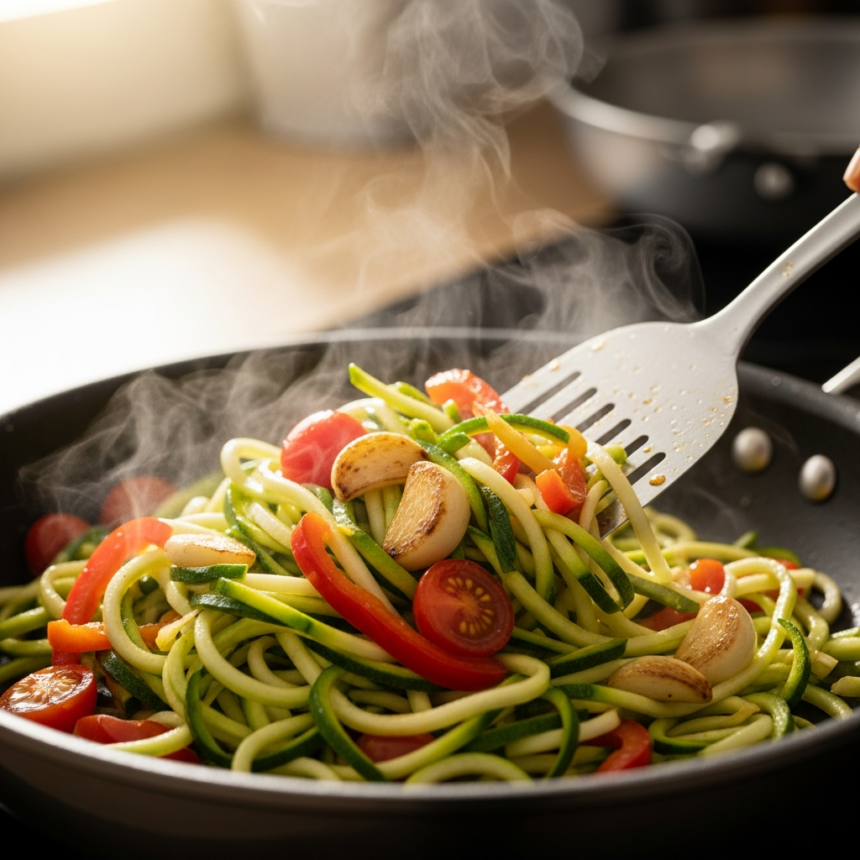
- Cook zoodles with care. Heat 2 tablespoons of olive oil over medium heat in a large skillet. Add minced garlic and sauté just until fragrant (~30 seconds),then introduce the zucchini noodles.toss gently and cook for 3 to 5 minutes, stirring frequently to release excess moisture but avoiding sogginess. Season with salt, pepper, and optional red pepper flakes.
- Enhance texture and flavor. Just before removing from heat, sprinkle with toasted pine nuts or walnuts for a satisfying crunch, and finish off with fresh basil leaves for a fragrant, herbal note.
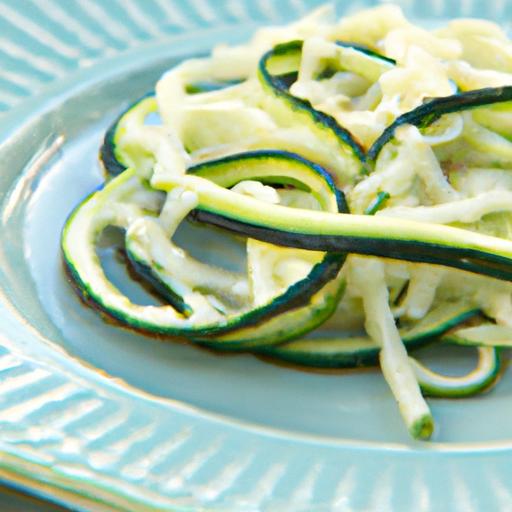
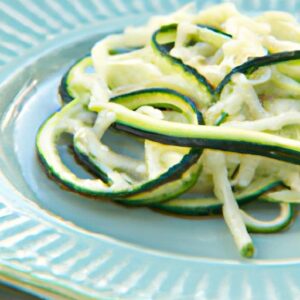
- Plate the dish immediately. Serve your zucchini noodles warm, twirled into elegant nests or spread out to showcase their glossy, vibrant green ribbons, perfect for capturing in photographs or Instagram stories.
Tips for Success
- water release control: Zucchini naturally contain a lot of water; sprinkling noodles lightly with salt and letting them sit in a colander for 10 minutes before spiralizing helps reduce excess moisture.
- spiralizer choice matters: For the most uniform results, a handheld spiralizer is ideal for small batches, while an electric model is perfect for quick prep when entertaining.
- Cooking alternatives: For an even lighter option, try briefly blanching zoodles in boiling salted water for 30 seconds, then immediately plunging into ice water to preserve crispness.
- Serving make-ahead: Spiralize zucchini up to 24 hours in advance and store them in a sealed container lined with paper towels to absorb moisture without compromising freshness.
- Substitutions: Swap pine nuts for slivered almonds or pepitas for different textures and flavors while keeping the dish deliciously nutty.
Serving Suggestions
Present zoodles as a sophisticated low-carb base that pairs beautifully with vibrant sauces and fresh toppings. Try drizzling a homemade roasted red pepper sauce or a silky avocado pesto over your noodles to enrich each bite. Garnish with freshly grated Parmesan alternatives like nutritional yeast for a cheesy touch without dairy.
For an herbaceous contrast, scatter chopped mint, parsley, or oregano atop. Add cherry tomato halves or roasted bell pepper strips for a pop of colour and sweetness. Finish with a squeeze of lemon juice and a sprinkle of crushed chili flakes for brightness and zing.

| Nutrient | Per Serving |
|---|---|
| Calories | 110 kcal |
| Protein | 3 g |
| Carbohydrates | 7 g |
| Fat | 8 g |
discover More About Healthy Vegetable Noodles
Expand your wholesome cooking repertoire by exploring our article on How to Make Carrot Noodles: A Beginner’s Guide. For further reading on the nutritional benefits of zucchini noodles,check out this extensive guide from Healthline.
Q&A
Q&A: Twirl into Health – The Art of Making & Cooking Zucchini Noodles
Q1: What exactly are zucchini noodles, and why are they such a popular choice for health-conscious cooks?
A1: Zucchini noodles, affectionately known as “zoodles,” are spiraled strands of fresh zucchini that resemble traditional pasta.They’re beloved as they offer a low-carb, gluten-free alternative that’s packed with vitamins, minerals, and hydration. Zoodles add a vibrant crunch and freshness to dishes, making them a perfect base for countless creative meals.
Q2: How do you transform a humble zucchini into perfect noodles?
A2: The magic begins with a spiralizer-a clever kitchen gadget designed to shave zucchini into long, curly ribbons. If you don’t have one, a julienne peeler or even a mandoline can work wonders. The key is to choose firm, medium-sized zucchinis without blemishes for the best texture and flavor.
Q3: Should zucchini noodles be cooked or eaten raw?
A3: Both! Raw zucchini noodles have a crisp, refreshing bite that pairs beautifully with light dressings and fresh herbs, perfect for a summer salad. Cooking zoodles gently-either by sautéing for 1-2 minutes or blanching briefly-softens them just enough to mimic traditional pasta without losing their vitality. Overcooking can turn them mushy, so quick, mindful cooking is the secret.
Q4: How can zucchini noodles be incorporated into a well-rounded meal?
A4: Think of zucchini noodles as a versatile canvas. Toss them with a vibrant pesto, a zesty tomato sauce bursting with garlic and basil, or a tangy lemon-garlic dressing.They mingle wonderfully with roasted vegetables, grilled chicken, or hearty beans for protein. Sprinkle with toasted nuts or seeds for an added crunch and nutritional boost.
Q5: Are there special tips for storing zucchini noodles?
A5: Fresh zucchini noodles are best enjoyed shortly after spiralizing to retain their snap. If you need to prep ahead, store them in a paper towel-lined airtight container in the fridge to absorb excess moisture and keep them from becoming soggy. Use within 1-2 days for optimum taste and texture.
Q6: Can zucchini noodles be frozen for later use?
A6: freezing zucchini noodles is generally not recommended as they release a lot of water when thawed,leading to a mushy texture. rather, spiralize fresh just before cooking or eating for the best experience.
Q7: What are some creative flavor twists to try with zucchini noodles?
A7: Elevate your zoodles with sun-dried tomatoes and kalamata olives for a Mediterranean vibe, or toss with spicy peanut sauce and fresh cilantro for an Asian-inspired dish. A sprinkle of nutritional yeast adds a cheesy note without dairy, while a burst of fresh herbs like mint or basil injects shining, lively flavor.
Q8: How can zucchini noodles contribute to a balanced diet?
A8: Zucchini noodles bring low-calorie volume and crucial nutrients like vitamin C, potassium, and fiber to your plate. Their lightness makes room for nutrient-rich toppings and sauces, encouraging a colorful, vegetable-forward approach that supports digestion, energy, and overall wellbeing.
Q9: Is there a best time of year to enjoy zucchini noodles?
A9: Summer is prime zucchini season, meaning your noodles will be freshest when zucchini is at its peak-firm, sweet, and abundant. However, zucchini is often available year-round at many markets, allowing you to twirl into health anytime inspiration strikes.
Q10: how can beginners avoid common pitfalls when making zucchini noodles?
A10: Avoid watery or mushy results by choosing fresh, firm zucchini and not overcooking your zoodles. Patting them dry before cooking helps remove excess moisture. Also, season simply at first-sometimes a pinch of salt and a drizzle of olive oil is all you need to let the natural flavor shine.Embrace the art of zucchini noodles, where health meets creativity in every twirl!
To Conclude
As you twirl your last forkful of vibrant zucchini noodles, remember that this humble spiral holds more than just flavor-it’s a celebration of health, creativity, and mindful cooking. Embracing the art of making and cooking zucchini noodles invites you to rediscover vegetables in their most playful form, transforming everyday meals into colorful, nutrient-packed experiences.So next time you reach for the spiralizer, know that you’re not just preparing a dish-you’re crafting a wholesome journey that twists tradition into something fresh, light, and endlessly tasty. Here’s to twirling your way to wellness, one noodle at a time.