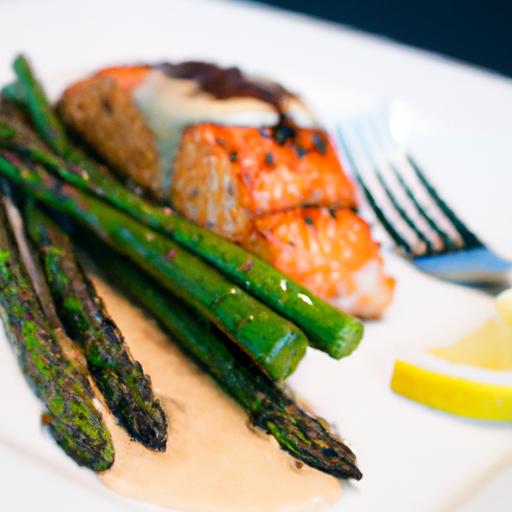

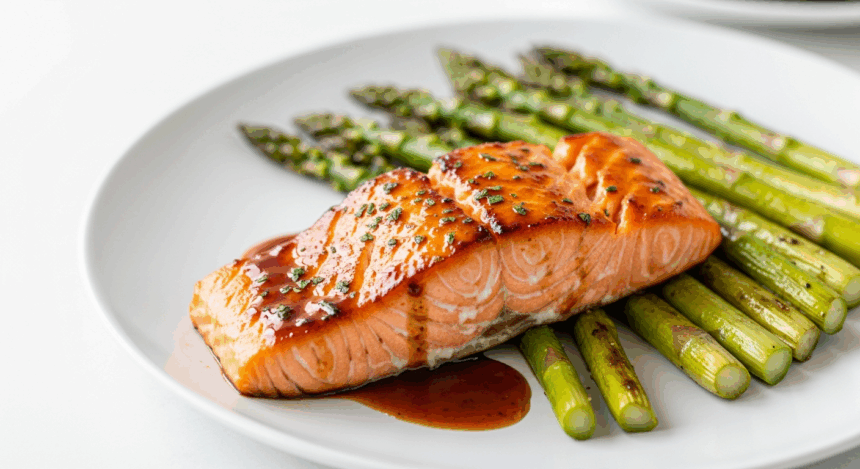
There’s a certain magic in the way simple ingredients come together to create a dish that delights both the eye and the palate. Enter balsamic glazed salmon paired with roasted asparagus-a harmonious blend of rich, tangy sweetness and earthy, crisp freshness. This culinary pairing not only celebrates vibrant flavors but also offers a nutritious, elegant meal perfect for any occasion. Join us as we explore how the luscious glaze enhances tender salmon, while the caramelized asparagus adds the perfect balance, transforming an everyday dinner into an unforgettable dining experience.
Savor Balsamic Glazed Salmon Paired with roasted Asparagus
Savor balsamic Glazed Salmon Paired with Roasted Asparagus offers a delightful harmony of the rich, buttery texture of fresh salmon enhanced by the sweet tang of a homemade balsamic glaze. This dish not only bursts with flavor but also celebrates simplicity with elegant ingredients thoughtfully selected and cooked to perfection. Inspired by Mediterranean coastal cuisine, this recipe elevates your weeknight meal into a party, inviting you to savor each luscious bite alongside crisp roasted asparagus.
Prep and Cook Time
- Preparation: 15 minutes
- Cooking: 20 minutes
- Total Time: 35 minutes
Yield
Serves 4 elegantly portioned meals
Difficulty Level
Medium – Ideal for home cooks looking to impress with balanced, flavorful dishes
Ingredients
- For the Salmon and Glaze:
- 4 fresh salmon fillets (6 oz each), skin-on, sashimi-grade if possible
- ½ cup aged balsamic vinegar
- 2 tablespoons pure honey or maple syrup
- 1 tablespoon high-quality extra virgin olive oil
- 2 cloves garlic, finely minced
- Salt and freshly ground black pepper, to taste
- For the roasted Asparagus:
- 1 lb fresh asparagus, trimmed (about 20 spears)
- 1 tablespoon olive oil
- ½ teaspoon sea salt
- Freshly ground black pepper
- Zest of 1 lemon
- To Garnish:
- fresh thyme sprigs or microgreens
- Thin slices of lemon
Instructions
- Prepare the Balsamic Glaze: In a small saucepan over medium heat, combine the balsamic vinegar, honey, and minced garlic. Stir occasionally and reduce the mixture until it thickens to a syrupy consistency, approximately 8-10 minutes. Once done, remove from heat and set aside.
- Select and Season the Salmon: Pat the salmon fillets dry with paper towels. Lightly brush each fillet with olive oil and season generously with sea salt and freshly ground pepper. This locks in moisture and enhances the delicate natural flavors.
- roast the Asparagus: Preheat your oven to 425°F (220°C). Arrange the trimmed asparagus on a baking sheet, drizzle with olive oil, sprinkle with salt, pepper, and lemon zest. Toss gently to coat evenly. Roast for 12-15 minutes until asparagus is tender yet retains a slight crispness.
- Cook the Salmon: Heat a non-stick skillet or cast-iron pan over medium-high heat. Place the salmon skin-side down and sear for about 4-5 minutes without moving it to ensure a crisp, golden crust. Flip carefully and cook for an additional 3-4 minutes until the salmon is just cooked through and flakes easily.
- Glaze the Salmon: In the last minute of cooking, spoon the prepared balsamic glaze generously over each fillet, allowing it to warm and caramelize slightly.
- Plate and Garnish: Serve each salmon fillet atop a bed of roasted asparagus. Drizzle extra balsamic glaze on the plate for an elegant finish. Garnish with fresh thyme sprigs and lemon slices to add brightness and aromatic freshness.
Chef’s Notes & Tips for Success
- Fresh Salmon Selection: Opt for salmon with vibrant orange-pink flesh and firm texture. Wild-caught varieties tend to have richer flavor and less fat than farm-raised,but either will work well if fresh.
- Glaze Consistency: Watch the balsamic reduction closely – it should coat the back of a spoon without dripping excessively. Over-reducing can make it overly sticky and bitter.
- Asparagus Alternatives: If asparagus is out of season, replace with broccolini or green beans for similar texture and flavor profiles.
- Make Ahead: Prepare the balsamic glaze up to 2 days in advance and store in an airtight jar in the refrigerator. Gently rewarm before use.
- Pan Choices: cast iron is excellent for salmon as it helps create a beautiful crust, but a heavy non-stick skillet works if cleaned well.
Serving Suggestions
For a visually stunning plate, serve the balsamic glazed salmon on a slate or white ceramic platter to highlight the rich colors of the fish and vibrant green asparagus. Complement with a light drizzle of high-quality extra virgin olive oil and a sprinkling of flaky sea salt. Consider a side of creamy mashed potatoes or herbed quinoa for added substance.
Garnish with fresh thyme or microgreens for an elevated touch and add a few thin lemon slices to brighten the dish before serving. The contrast of the tangy glaze with the earthy asparagus makes every bite captivating. For an added crunch, sprinkle toasted pine nuts or slivered almonds over the asparagus right before serving.
Wine and Side Pairing Recommendations
To accompany this meal, a crisp and unoaked Chardonnay or a dry Rosé will beautifully complement the balsamic glaze and the salmon’s natural richness. For non-alcoholic alternatives, crisp sparkling water with lemon or a chilled herbal iced tea enhances the meal’s brightness.
Looking for more inspiration? Check out our Mediterranean Grilled Salmon recipe for another flavorful seafood option, or visit The Kitchn’s guide to selecting fresh fish like a pro.

| Nutrient | Per Serving |
|---|---|
| Calories | 370 kcal |
| Protein | 35 g |
| carbohydrates | 10 g |
| Fat | 18 g |
Q&A
Q&A: Savor Balsamic Glazed Salmon paired with Roasted Asparagus
Q1: What makes balsamic glaze such a perfect match for salmon?
A1: The rich, tangy sweetness of balsamic glaze beautifully complements the natural buttery flavor of salmon. As it caramelizes during cooking, the balsamic adds a glossy, savory-sweet coating that enhances each bite without overpowering the delicate fish.
Q2: How can I achieve the ideal balsamic glaze consistency for this dish?
A2: To get that luscious, syrupy texture, gently simmer balsamic vinegar with a touch of honey or brown sugar until it reduces by at least half.The glaze should coat the back of a spoon, thick but still pourable-ready to cling lovingly to your salmon.
Q3: Why is roasted asparagus the ideal side for balsamic glazed salmon?
A3: Roasted asparagus offers a crisp-tender contrast and a slightly earthy undertone that balances the sweet and savory notes of the salmon’s glaze. The roasting process brings out natural caramelization in the asparagus, echoing the glaze’s depth while keeping the meal light and fresh.
Q4: Can I prepare the salmon and asparagus together to save time?
A4: Absolutely! Both can be roasted in the same oven at around 400°F (200°C). Start the asparagus a few minutes ahead or toss it in halfway through the salmon’s cooking time,depending on thickness,to ensure everything finishes warm,tender,and perfectly caramelized.
Q5: What’s the best way to prevent the salmon from drying out while glazing?
A5: Sear the salmon skin-side down first to lock in moisture and get a crispy base. Then brush the balsamic glaze on in the final few minutes of roasting or broiling-this keeps the salmon juicy while allowing the glaze to form a flavorful, glossy finish without burning.
Q6: Are there any simple seasoning tips to elevate this dish?
A6: A sprinkle of freshly cracked black pepper and a pinch of sea salt on the salmon before cooking is often enough. For the asparagus, a drizzle of olive oil, lemon zest, and a hint of garlic powder can enhance its natural crispness while harmonizing with the balsamic’s complex flavors.
Q7: Can I customize this dish for different dietary needs or preferences?
A7: Certainly! This recipe is naturally gluten-free and high in protein. For a dairy-free option, avoid any butter and use olive oil exclusively. You can also swap asparagus for other roasted greens like broccolini or green beans-but asparagus’ unique flavor and texture make it a standout pairing.
Q8: What’s a creative finishing touch to make this dish restaurant-worthy?
A8: Sprinkle toasted pine nuts or chopped fresh herbs like basil or thyme over the glazed salmon just before serving. The nuts add a satisfying crunch and nutty warmth,while the herbs provide a fragrant freshness that completes the dish with elegance and charm.
Q9: How can beginners avoid common pitfalls when preparing balsamic glazed salmon?
A9: Avoid glazing too early to prevent burning the sugars. Use fresh salmon with the skin on for extra flavor and moisture retention. Also, keep an eye on the oven-overcooked salmon becomes dry quickly. A swift test for doneness: the flesh should flake easily but still look moist.Enjoy creating this harmonious, vibrant plate where sweet, savory, and roasted notes dance delightfully on the palate-balsamic glazed salmon and roasted asparagus truly is a match made in culinary heaven!
Insights and Conclusions
As the rich, tangy notes of the balsamic glaze meld seamlessly with the tender, flaky salmon, and the roasted asparagus adds just the right touch of earthiness and crunch, this dish transcends the ordinary dinner plate. Savoring each bite is more than just a meal-it’s an experience that delights your palate and nourishes your body. Whether you’re looking to impress guests or simply elevate your weeknight routine, balsamic glazed salmon paired with roasted asparagus offers a harmonious balance of flavors and textures that’s as satisfying as it is elegant. Give this recipe a try, and let your taste buds embark on a culinary journey that showcases the simple beauty of fresh, vibrant ingredients brought together with thoughtful care.