
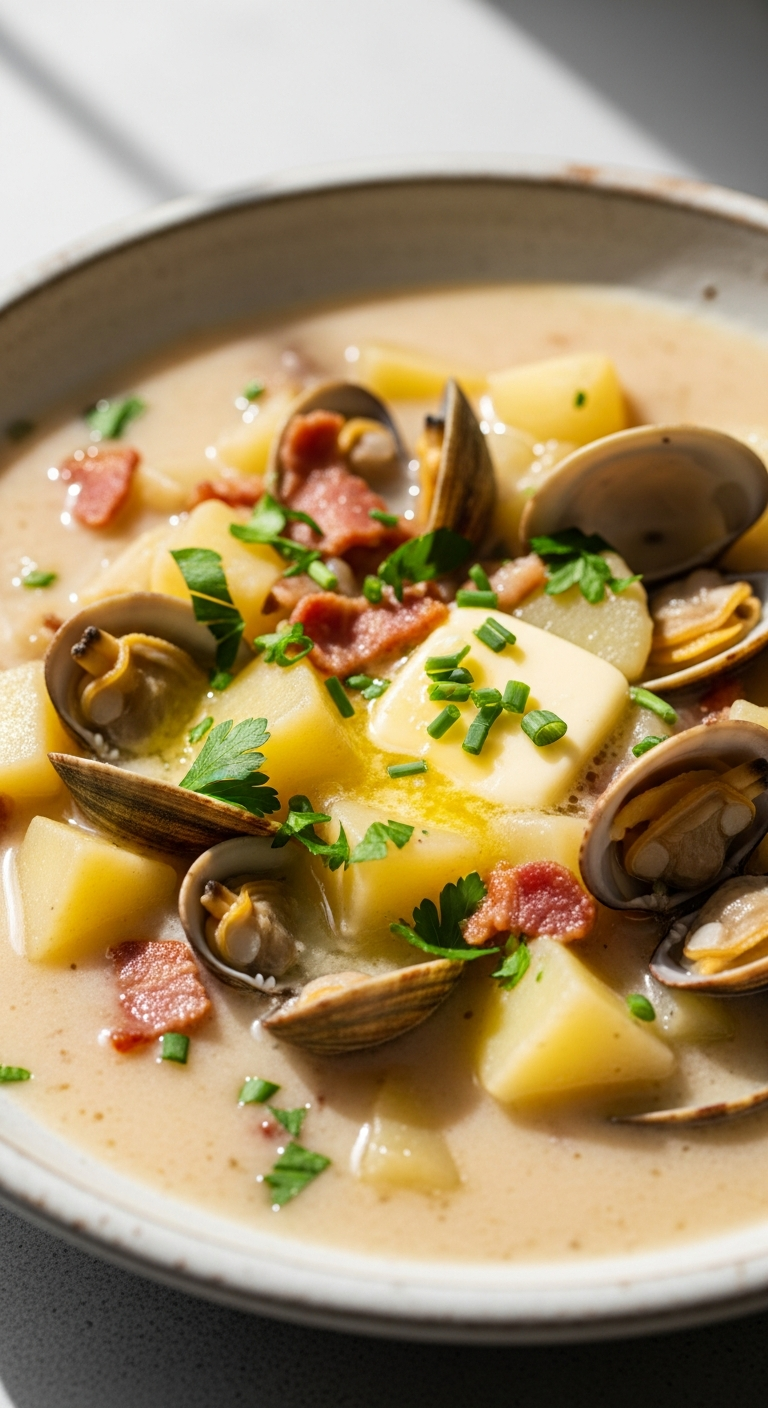
From the briny depths of the Atlantic to the cozy kitchens of new England, clam chowder has long been a beloved staple that warms both heart and palate. This creamy classic, steeped in maritime tradition and rich with the flavors of fresh clams, potatoes, and herbs, tells a story far beyond its simple ingredients. In “Clam Chowder Uncovered: A Creamy Classic from the Coast,” we’ll dive into the history, regional variations, and the culinary secrets that make clam chowder an enduring symbol of coastal comfort. Weather you’re a seasoned foodie or a curious newcomer, join us as we explore the essence of this iconic dish that continues to capture the spirit of the sea in every luscious spoonful.
Clam Chowder Uncovered reveals the rich maritime heritage embedded in every creamy spoonful of this beloved coastal classic. Originating along the bountiful American Northeastern shores, clam chowder has evolved from humble fishermen’s stew to a gourmet comfort food adored nationwide.This dish carries the salty kiss of sea air and the hearty warmth only fresh clams, tender potatoes, and a velvety broth can provide-a culinary symbol of coastal tradition and family tables alike.
Prep and Cook Time
- Preparation: 20 minutes
- Cooking: 40 minutes
- Total time: 1 hour
Yield
Serves 6 generous bowls
Difficulty Level
medium – perfect for home cooks looking to deepen their skills with classic American flavors
Key Ingredients That Define the Creamy Texture and Flavor
- 4 cups fresh littleneck clams,shucked,with reserved clam juice
- 4 cups whole milk,for richness and smoothness
- 1 cup heavy cream,to amplify the luscious,creamy mouthfeel
- 3 large russet potatoes,peeled and diced,to add body and subtle earthiness
- 4 strips unsalted butter,for sautéing and depth
- 1 medium yellow onion,finely chopped for aromatic sweetness
- 2 celery stalks,diced,adding essential crunch and freshness
- 3 cloves garlic,minced,to layer a gentle pungency
- 1/4 cup all-purpose flour,sifted,to thicken the chowder perfectly
- 2 cups clam juice,reserved from clams or bottled for authenticity
- Fresh thyme sprigs,2-3 for an herbal lift
- Sea salt and freshly cracked black pepper,to taste
- Fresh parsley,finely chopped,for garnish
Step by Step Guide to Crafting the Perfect Bowl at Home
- Prepare the clams and broth: If using fresh clams,clean and steam them in a covered pot with a splash of water until they open (about 5-7 minutes).Remove clams from shells, reserve clam juice by straining it through a fine sieve and set aside.
- Sauté the aromatics: in a large heavy-bottomed pot, melt the butter over medium heat. Add chopped onion, celery, and garlic. Sauté until translucent and fragrant,about 5 minutes,stirring occasionally to prevent browning.
- Build the base: Sprinkle the flour over the softened vegetables. Stir constantly for 2-3 minutes to cook out raw flour taste, forming a roux that will thicken the chowder beautifully.
- Incorporate liquids: Gradually whisk in the reserved clam juice and whole milk,blending smoothly. Add diced potatoes and thyme sprigs. Bring to a gentle simmer, cooking uncovered until potatoes are fork-tender (about 15 minutes).
- Add cream and clams: Lower the heat and stir in the heavy cream along with the cooked clams. Warm through but avoid boiling to prevent cream separation. Season generously with sea salt and freshly cracked black pepper.
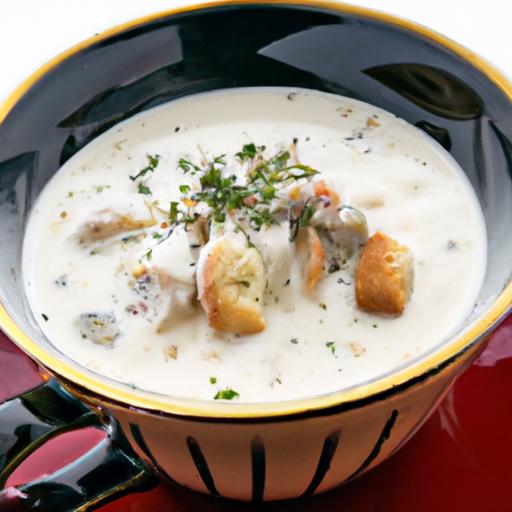
- Final touches: Remove thyme sprigs. Adjust seasoning to taste. Ladle chowder into heated bowls and garnish with freshly chopped parsley.The bowl should present a silky, pale ivory broth dotted with tender clams and golden potato chunks-a feast for the eyes and palate alike.
Chef’s Notes: Tips for Success with Clam Chowder Uncovered
- Clams: Fresh littlenecks are ideal for their tender bite and sweetness,but canned clams can be used in a pinch; adjust salt accordingly as canned versions can be saltier.
- Texture balance: For extra body, mash a few potato chunks before adding clams back in. To lighten the chowder, substitute half the cream with whole milk.
- make-ahead: Chowder thickens upon standing. If needed, thin with a splash of clam juice or milk before reheating gently on low heat.
- Vegetarian variation: Omit clams and replace clam juice with vegetable broth for a comforting potato soup alternative.
- Herbal accents: Fresh thyme and parsley are classic, but bay leaves or a hint of smoked paprika can add unique depth without overpowering the sea-kissed flavor.
Serving Suggestions and Pairings to Elevate Your Chowder Experience
For a truly elevated chowder experience, serve piping hot in rustic bowls alongside thick-cut oyster crackers or crusty sourdough bread, perfect for dipping. A fresh green salad with a lemon vinaigrette complements the chowder’s richness beautifully, adding brightness and crunch. Garnish each bowl with a pinch of smoked paprika or a swirl of extra cream and a sprinkle of chives or microgreens to add a fresh herbal note and visual appeal.
For beverages, a crisp, chilled apple cider or light sparkling water with a lemon twist refreshes the palate between bites without overshadowing delicate clam flavors.
Explore our Classic Seafood Side Dishes for more ideas to complete your maritime feast.
| Nutrient | Per Serving |
|---|---|
| Calories | 320 kcal |
| Protein | 18 g |
| Carbohydrates | 28 g |
| Fat | 14 g |

Learn more about the engaging history of American seafood dishes at the National Park Service Seafood Culture Archives.
Q&A
Q&A: Clam Chowder Uncovered: A Creamy Classic from the Coast
Q1: What is clam chowder, and where did it originate?
A1: Clam chowder is a hearty, creamy soup featuring tender clams, potatoes, and fragrant herbs. It originated along the northeastern coast of the United States, notably in New England, where early settlers combined local seafood with simple ingredients to create a warming, coastal classic.
Q2: What are the main types of clam chowder?
A2: The two moast famous varieties are New England clam chowder-a creamy, milk or cream-based soup-and Manhattan clam chowder, which is tomato-based and lighter in color and flavor. Each reflects regional tastes and traditions from different parts of the coast.
Q3: What gives clam chowder its signature creamy texture?
A3: The creamy texture comes from a carefully simmered blend of milk or cream and a roux, which is a cooked mixture of butter and flour. This creates a rich base that thickens the broth while balancing the briny sweetness of the clams.
Q4: What ingredients are essential to authentic clam chowder?
A4: Fresh clams, of course, are the star players. Alongside them, diced potatoes, onions or shallots, celery, and fresh herbs such as thyme or bay leaves build depth. Butter and cream provide richness, while a splash of clam juice or broth enhances the oceanic flavor.Q5: How do chefs ensure clams remain tender and flavorful when making chowder?
A5: Clams are gently cooked to avoid toughness, frequently enough added towards the end of simmering.Some recipes call for steaming the clams first to collect the flavorful broth, which then becomes part of the chowder’s base, ensuring a pronounced yet delicate seafood essence.
Q6: What makes clam chowder a beloved comfort food beyond its taste?
A6: Clam chowder is wrapped in coastal nostalgia-it conjures images of seashores, fishing boats, and cozy kitchens. Its warmth and creamy body offer a culinary hug that has comforted generations, especially on chilly days by the water.
Q7: How can clam chowder be served to enhance the dining experience?
A7: Traditionally, it’s ladled into a steaming bowl and paired with crusty bread or oyster crackers. Some enjoy it in a bread bowl to combine crunch and creaminess. Garnishes like freshly chopped parsley or a dash of cracked black pepper add radiant finishing touches.
Q8: Are there creative variations of clam chowder that maintain its classic essence?
A8: Absolutely! Innovations include incorporating sweet corn for a touch of natural sweetness, or adding a hint of smoked paprika for subtle warmth.Though, traditional clam chowder remains a canvas where fresh coastal flavors take center stage without overpowering the beloved clam character.
Q9: Can clam chowder be prepared ahead of time,and how well does it keep?
A9: Clam chowder can be made in advance and often tastes even better the next day as the flavors meld. However, it’s best reheated gently on the stove to prevent curdling and maintain its silky texture. Fresh clams added just before serving keep the chowder vibrant.
Q10: What role does clam chowder play in coastal culinary culture today?
A10: Clam chowder remains a culinary icon, celebrated in festivals, seafood shacks, and homes along the coast. It bridges the past and present, honoring maritime heritage while inspiring chefs to preserve and reinterpret this beloved classic for future generations.
The Way Forward
As we’ve journeyed from the briny depths of coastal waters to the comforting warmth of a steaming bowl, clam chowder reveals itself as much more than a mere soup-it’s a creamy chronicle of tradition, community, and culinary craft.Whether spooned down beside a foggy shoreline or savored in a bustling city café, this classic dish carries the whispers of the ocean and the stories of generations past. So next time you cradle that bowl, remember: you’re not just tasting a recipe, but a tasty slice of coastal heritage, lovingly uncovered and ready to be enjoyed anew.