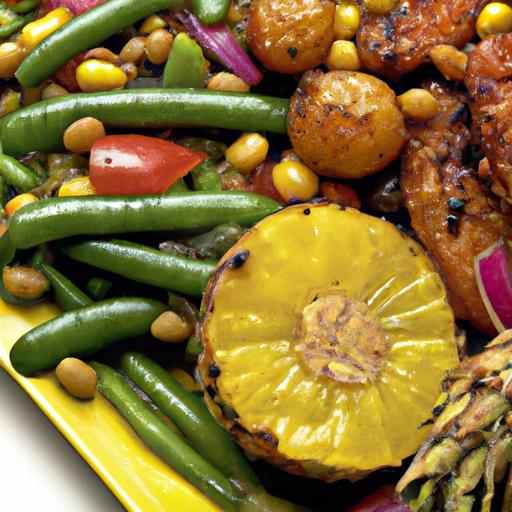

Bursting with color, aroma, and an unmistakable rhythm, the Jamaican feast is more than just a meal-it’s a vibrant festivity of culture, history, and community.From the fiery kick of Scotch bonnet peppers to the rich sweetness of tropical fruits, every dish tells a story steeped in tradition and island spirit. In this journey through Jamaica’s culinary landscape, we invite you to savor the flavors that define a feast like no other, where each bite offers a taste of the island’s soul and the warmth of its people. Join us as we explore the bold ingredients, time-honored recipes, and festive gatherings that make the Jamaican feast an unforgettable experience.
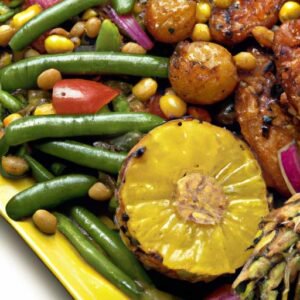
Savor the Flavors of Jamaican Jerk chicken: The heartbeat of an Island Feast
Savor the flavors of Jamaican jerk chicken, a dish that truly encapsulates the vibrant, bold spirit of Jamaican cuisine. Originating from the indigenous Maroon communities, this fiery and aromatic masterpiece has traveled far beyond its island birthplace to become a beloved delicacy worldwide. The distinctive combination of Scotch bonnet peppers, allspice, and fresh herbs creates a depth of flavor that’s as thrilling as the warm Caribbean sun. I remember my first taste under an open-air shack in kingston-where smoke curled from roadside grills and the air was perfumed with spices-that moment truly defined my passion for authentic Jamaican cooking.
Prep and Cook Time
- Planning: 20 minutes
- Marinating: 4 hours (preferably overnight)
- Cooking: 35 minutes
- Total Time: Approx. 5 hours (including marinating)
Yield
Serves 4 hungry guests
Difficulty Level
Medium – Ideal for adventurous cooks eager to layer vibrant flavors
Ingredients
- 4 bone-in chicken thighs, skin-on for crispiness
- 3 Scotch bonnet peppers, deseeded for milder heat (handle with care!)
- 1 medium onion, chopped
- 4 garlic cloves, minced
- 2 tablespoons fresh thyme leaves
- 1 tablespoon ground allspice (pimento berries)
- 1 teaspoon ground cinnamon
- 2 teaspoons freshly grated ginger
- 1 teaspoon freshly ground black pepper
- 2 teaspoons sea salt
- 3 tablespoons soy sauce
- 2 tablespoons brown sugar, packed
- 1/4 cup freshly squeezed lime juice
- 3 tablespoons vegetable oil
- 1 cup water (to adjust marinade consistency)
Instructions
- Prepare the marinade: In a blender or food processor, combine Scotch bonnet peppers, onion, garlic, thyme, allspice, cinnamon, ginger, salt, black pepper, soy sauce, brown sugar, lime juice, vegetable oil, and water. Blend until smooth, creating a lush, fragrant jerk marinade.
- Marinate the chicken: Place chicken thighs in a large bowl or ziplock bag. Pour the marinade over the chicken, ensuring every piece is well coated. Seal and refrigerate for at least 4 hours, preferably overnight, to allow the flavors to deeply infuse the meat.
- Preheat your grill or oven: For a smoky effect, use a charcoal grill heated to medium-high. Alternatively, preheat your oven to 375°F (190°C) and prepare a baking tray with a wire rack.
- Cook the chicken: Place the marinated chicken on the grill or wire rack. Grill or roast for about 30-35 minutes, turning halfway through, until the chicken’s juices run clear and the skin turns crisp and golden brown.
- Rest and serve: Let the chicken rest 5 minutes before serving to lock in juices. This helps the meat stay tender and succulent.
Tips for Success
- Handling Scotch bonnet peppers: Use gloves to avoid irritation, and remove seeds to lessen the heat if desired.
- Marinating longer intensifies flavors: overnight marination yields the juiciest, most aromatic results.
- For indoor cooking: Use a grill pan or oven broiler, but watch closely to achieve charred edges reminiscent of traditional jerk grills.
- Adjust spice level confidently: Reduce peppers or add a splash of honey to balance heat with a hint of sweetness.
- Make ahead tip: Prepare the marinade and chicken the day before to save time and deepen flavor serenade.
Serving Suggestions
Present your jerk chicken with a vibrant accompaniment like coconut rice and peas, which complements the spicy, smoky flavors while offering a soothing creaminess. Garnish with fresh lime wedges, chopped scallions, and extra thyme sprigs for a visually stunning plate. A crisp side of fried plantains adds sweetness and crunch, making every bite an island celebration.
For a complete Jamaican feast, pair with traditional homemade sorrel drink or a cold ginger beer to refresh the palate and enhance the spice’s liveliness.

| Nutritional Info (Per Serving) | Amount |
|---|---|
| Calories | 350 kcal |
| Protein | 28 g |
| Carbohydrates | 6 g |
| Fat | 22 g |
Discovering authentic ingredients that bring Jamaican cuisine to life encourages you to explore markets for fresh thyme, robust allspice, and the fiery Scotch bonnet that unlock Jamaica’s culinary soul. Each element tells a story-woven through centuries of tradition and passion-culminating in this unforgettable dish that invites you to savor the flavors of the vibrant Jamaican feast.
For more on pairing traditional Jamaican flavors, check our dedicated guide on the rich culinary history of Jamaica, a trusted source offering deep insights into thes treasured ingredients and dishes.
Q&A
Q&A: Savor the Flavors – Exploring the Vibrant jamaican Feast
Q1: What makes jamaican cuisine so unique and vibrant?
A1: Jamaican cuisine bursts with bold,vibrant flavors rooted in a rich blend of African,indigenous Taino,Indian,Chinese,and European influences. The distinct use of spices, fresh herbs, and cooking techniques like slow-cooking and grilling create dishes that are both comforting and exciting to the palate. The emphasis on freshness and the harmony of sweet,spicy,and savory notes truly sets Jamaican food apart.
Q2: Which spices and seasonings are essential in creating authentic Jamaican dishes?
A2: key Jamaican seasonings include allspice (also known as pimento), Scotch bonnet peppers, thyme, ginger, garlic, and scallions. These ingredients infuse dishes with a signature warmth and heat. The fiery Scotch bonnet pepper, in particular, brings a lively kick that balances the earthiness of allspice and the herbal freshness of thyme.
Q3: What are some staple dishes to try when experiencing a Jamaican feast?
A3: No Jamaican feast is complete without jerk chicken or jerk fish, where meat is marinated in a spicy dry rub and slow-cooked over pimento wood, imparting smoky, fiery flavors. Other essentials include curried goat or curried vegetables, ackee and saltfish (Jamaica’s national dish made with the unique ackee fruit and salted cod), rice and peas (rice cooked with kidney beans and coconut milk), and festival-sweet fried dumplings that perfectly complement savory dishes.
Q4: How does Jamaican cooking reflect the island’s culture and history?
A4: Jamaican cooking is a vibrant tapestry woven from the island’s diverse peoples and historical journey. The fusion of flavors tells stories of survival,creativity,and celebration. Indigenous, African, Indian, and European culinary traditions blend seamlessly, reflecting a spirit of resilience and ingenuity that continues to thrive in every meal.
Q5: Can Jamaican cuisine be adapted for those who prefer vegetarian or vegan options?
A5: Absolutely! Jamaican cuisine offers plenty of plant-based dishes rich in flavor and texture. Dishes like curried chickpeas, callaloo (a leafy green vegetable cooked with garlic, onions, and peppers), and Ital stew-which is a hearty, spiced vegetable stew influenced by Rastafarian traditions-showcase just how satisfying and vibrant vegetarian Jamaican meals can be.
Q6: What role do fruits play in Jamaican meals?
A6: fruits are both a sweet complement and a key ingredient in Jamaican cuisine. Ingredients like mango, pineapple, guava, and starfruit add tropical brightness to dishes and drinks alike. Tamarind and sour sop bring a tart balance, while breadfruit frequently enough takes center stage when roasted or fried as a starchy side.
Q7: How can one recreate the vibrant flavors of a Jamaican feast at home?
A7: To bring Jamaican flavors into your kitchen, start with fresh, quality ingredients and build a spice blend featuring allspice, thyme, Scotch bonnet (used with care), garlic, and ginger. Marinades and slow-cooking are crucial to develop depth. Don’t forget to pair your main dishes with rice and peas or festival to capture the hearty essence of the feast.
Q8: What is the importance of “jerk” in Jamaican cuisine?
A8: “Jerk” represents much more than a cooking method; it signifies a cultural heritage. Originating with the Maroons-escaped slaves who developed this technique for preserving and seasoning meat over open fires-jerk cooking reflects resourcefulness and a love for smoky, spicy flavors. Today, jerk is synonymous with Jamaican identity and pride.
Q9: Are there unique Jamaican beverages that pair well with the feast?
A9: Indeed! Refreshing beverages such as sorrel (a hibiscus-based drink), ginger beer (a spicy, non-alcoholic fermented drink), and coconut water are popular accompaniments that balance the heat and spice of the food while offering a refreshing tropical twist.
Q10: what cultural events or celebrations heavily feature Jamaican food?
A10: jamaican food is central to celebrations like Independence Day, reggae festivals, and family gatherings.These events bring communities together with shared plates and lively music, reinforcing bonds and keeping traditions alive through the joy of a communal feast.
Closing Remarks
As the last notes of jerk spices and sweet tropical fruits linger on your palate, you realize that a Jamaican feast is more than just a meal-it’s a vibrant celebration of culture, history, and community. Each dish tells a story,inviting you to savor the island’s rich heritage in every bite.Whether you’re indulging in crispy patties, fragrant ackee and saltfish, or the comforting warmth of rice and peas, the flavors of Jamaica offer an unforgettable culinary journey. So next time you crave something bold and soulful, remember: the vibrant feast of Jamaica awaits, ready to ignite your senses and nourish your spirit.